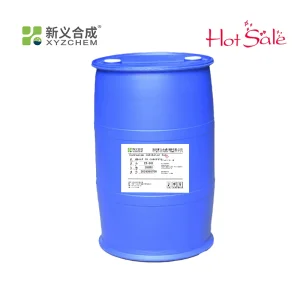
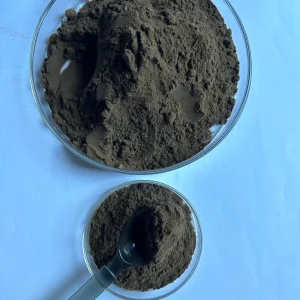
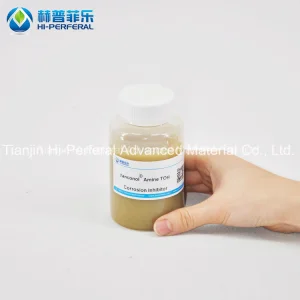
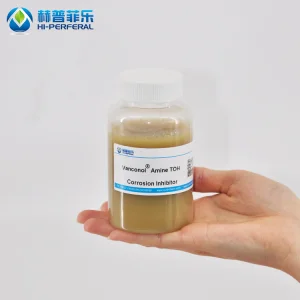
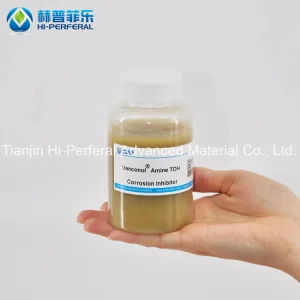
San Francisco's iconic skyline and critical infrastructure face a unique challenge: the relentless corrosive influence of the Pacific Ocean's salt-laden air and the high humidity of the Bay. As a leading Corrosion Inhibitor for Concrete Manufacturer & Factory in San Francisco, we specialize in developing advanced chemical admixtures that safeguard the structural integrity of high-rise buildings, coastal bridges, and transit tunnels.
In the heart of Northern California’s industrial landscape, our factory utilizes AI-driven molecular modeling to create inhibitors that penetrate deep into the concrete matrix. This ensures that the steel reinforcement—the "skeleton" of the structure—remains immune to chloride-induced oxidation and carbonation. Whether it's the seismic retrofitting of older structures near Market Street or new LEED-certified developments in SoMa, our solutions provide an invisible shield against the elements.
Rust Mitigation Efficiency
Years Extended Service Life
VOC / Eco-Friendly Formula
Optimized Molecular Design
Our San Francisco facility is at the forefront of the "Smart Construction" movement. By integrating AI analytics into our manufacturing process, we can simulate decades of salt-spray exposure in hours, allowing us to refine our amino-alcohol and calcium naphthalene sulfonate formulas for maximum performance in California's diverse climate zones.
San Francisco has some of the strictest environmental regulations in the world. The industry is shifting toward "Green Concrete." Our inhibitors are designed to be compatible with high-volume fly ash and slag cements, reducing the carbon footprint while providing superior protection.
Corroded rebar loses its ductility, which is catastrophic during an earthquake. In San Francisco, corrosion inhibition is no longer optional—it’s a critical component of seismic safety for the BART system and the Golden Gate Bridge authority.
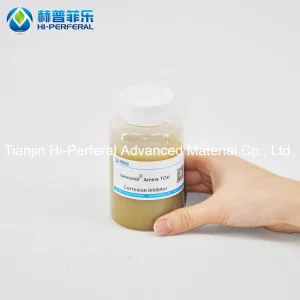
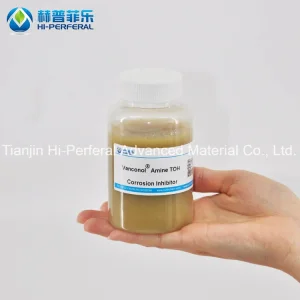
With rising sea levels, the Embarcadero and waterfront piers require specialized inhibitors that can withstand constant "wet-dry" cycles. Our Vanconol® series is specifically formulated for these aggressive saline environments.
Targeting the Oakland Bay Bridge corridor and smaller regional spans, our inhibitors prevent chloride ion penetration from marine mist, ensuring the spans remain safe for decades.
For skyscrapers in the Financial District, deep foundations often sit below the water table. Our calcium-based inhibitors prevent groundwater minerals from attacking steel reinforcements.
BART and Muni tunnels face unique chemical exposure. Our composite amino alcohol inhibitors provide a migrating barrier that protects even the most hard-to-reach reinforcement bars.
We are a national high-tech enterprise that has been dedicated to the field of special concrete structure construction, bonding, reinforcement, and protection since 2008. We boast numerous patents covering bridge, tunnel, concrete structure reinforcement systems, and concrete repair technologies. Our San Francisco R&D hub focuses on tailoring these global technologies to the specific needs of the California construction market.
Concrete is naturally alkaline, which creates a protective "passivation" layer around steel rebar. However, in the coastal microclimates of San Francisco, chloride ions from the ocean air and carbon dioxide from urban traffic penetrate the concrete, lowering its pH and destroying this protection. This leads to rebar corrosion, which causes the concrete to crack and spall—a process often called "concrete cancer."
Our factory specializes in Migrating Corrosion Inhibitors. Unlike traditional admixtures that must be mixed into the wet concrete, our MCIs can be applied to existing structures. They travel through the concrete pores in vapor or liquid form to reach the steel. Once there, they form a monomolecular protective layer that inhibits both anodic and cathodic reactions. This is vital for the preservation of historical SF landmarks like the Alcatraz cells or the aging piers along the waterfront.
As a leading manufacturer, we have pioneered the use of Composite Amino Alcohol. This technology is preferred in San Francisco because it does not affect the slump or setting time of the concrete, which is crucial for the complex pours required in high-density urban construction. Amino-alcohol inhibitors are also more environmentally friendly than traditional nitrite-based inhibitors, aligning with California’s strict "Green Chemistry" initiatives.
Our San Francisco factory operates under ISO 9001 and 14001 standards. Every batch of calcium naphthalene sulfonate and imidazoline-based inhibitors undergoes rigorous testing in our AI-integrated labs. We simulate the unique "fog and sun" cycle of the Sunset District to ensure that our products perform exactly as promised under real-world conditions.
Looking ahead, we are integrating our corrosion inhibitors with smart sensor technology. Future San Francisco buildings will not just have passive protection; they will have "active monitoring." Sensors will detect the movement of our inhibitors within the concrete and alert engineers when a "re-up" of the inhibitor is needed, potentially extending the life of Bay Area structures to over 100 years.
 Shengchuang Building