Analyzing semantic search intents and regulatory parameters governing modern green infrastructure supply chains.
As global municipal authorities, civil contractors, and structural engineers pivot toward carbon neutrality, the criteria for selecting construction material manufacturers has evolved. Green procurement is no longer just about post-consumer recycled tags. Today's procurement managers require certified carbon offsets, precise Environmental Product Declarations (EPDs), and chemical formulations that comply with stringent global standards such as REACH, EPA, and European EN certification schemes.
Selecting a sustainable building product manufacturer requires analyzing the life cycle impact of the material, from raw chemical synthesis to the durability parameters of the cured compound. We specialize in producing specialized additives, chemical formulations, and advanced precast panels designed to minimize material usage while extending structural lifespans. This balance of performance and footprint represents the next generation of eco-efficient materials.
As a national high-tech enterprise dedicated to special concrete structures, bonding, reinforcement, and protective coatings since 2008, SINO-SINA holds numerous patents covering bridge, tunnel, and building retrofits. High-performance cladding and rapid-curing repairing compositions resolve structural aging challenges without necessitating resource-intensive complete rebuilds.
By integrating advanced raw material refining and nanotechnology, our manufacturing plants supply international infrastructure projects with cladding panels that withstand freeze-thaw cycles, chemical corrosion, and seismic activity over lifetimes exceeding 100 years.
Navigating regional certification boards, material validation codes, and local logistics configurations.
Our repair mortars, including rapid-setting variations, comply with the EN 1504 standard, governing products for the protection and repair of concrete structures, ensuring structural performance on European transit frameworks.
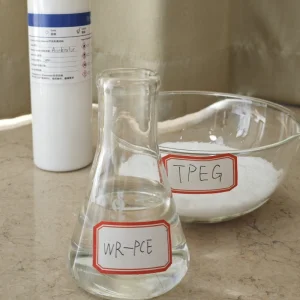
Concrete additives, water reducers (PCE), and geotextile fabrics conform to ASTM guidelines (e.g., ASTM C494 for chemical admixtures and ASTM D4632 for grab strength of geotextiles), facilitating approvals in municipal bids.
Documenting carbon equivalents per unit volume through third-party audited Environmental Product Declarations (EPDs), assisting commercial contractors in qualifying for LEED v4 and BREEAM certifications.

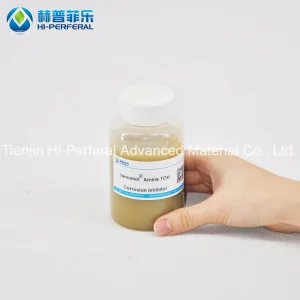
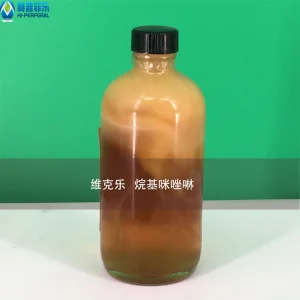
Operating advanced industrial factories in China provides significant supply chain advantages. We synthesize critical intermediate compounds in-house, such as Coconut oil based hydroxyethyl imidazoline and acid imidazoline inhibitors (CAS 61791-39-7). This vertical integration ensures consistent chemical purity, mitigating price volatility and supply disruptions.
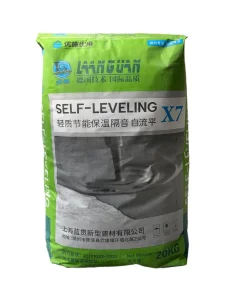
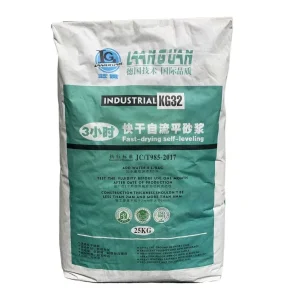
By controlling production from initial synthesis to final packaging of bulk products like PCE water reducers and self-leveling floor compounds, we maintain quality metrics that meet international civil engineering specifications.
Located near deepwater shipping hubs, our logistics divisions optimize container load weights, reduce transport costs, and provide tracking services to secure high-volume wholesale supply channels.
Formulations customized for distinct climatic exposures and demanding project timelines.
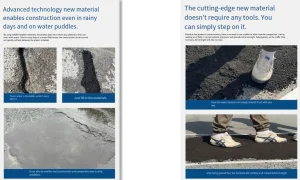
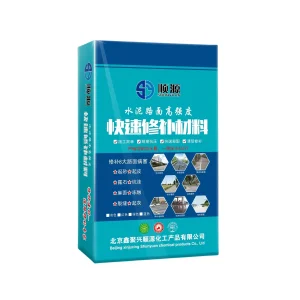
Utilizing rapid-repair mortars and self-adhesive asphalt compounds to fix roads, bridge decks, and airfield runways in overnight shifts, minimizing traffic delays and economic impacts.
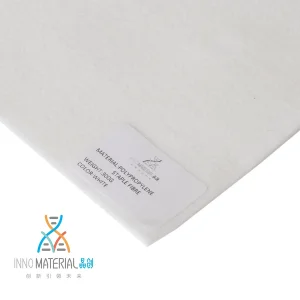
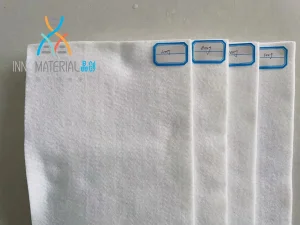
Deploying high-strength needle-punched geotextiles in railways, landfills, and shoreline retaining structures to prevent soil shifting while ensuring efficient drainage.
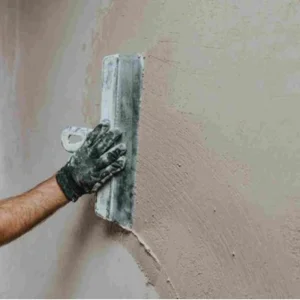
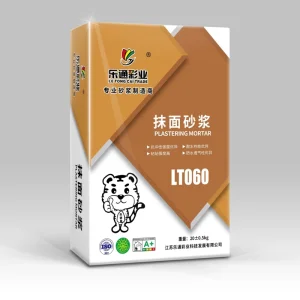
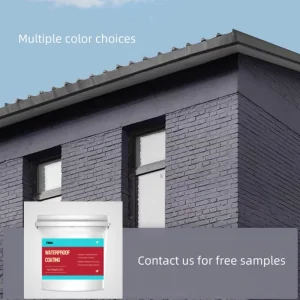
Applying vapor-permeable plastering mortars and eco-friendly mold-inhibiting coatings in high-humidity regions to protect indoor air quality without off-gassing VOCs.
How digital manufacturing pipelines and bio-based chemistry are shaping the next decade of infrastructure materials.
The construction industry is transitioning from high-carbon materials to smart, circular components. Future specifications will require binders that absorb CO₂ during curing, bio-based additives that replace petroleum inputs, and digital tools like AI-driven concrete batching.
We employ computer-modeled molecular simulations to optimize polycarboxylate ether (PCE) architectures. Adjusting molecular side chains allows us to control workability and hydration kinetics, enabling contractors to increase supplementary cementitious materials (such as slag or fly ash) up to 70% without sacrificing early-stage compressive strength.
Expert answers to common engineering, logistical, and sustainability questions.
 Shengchuang Building