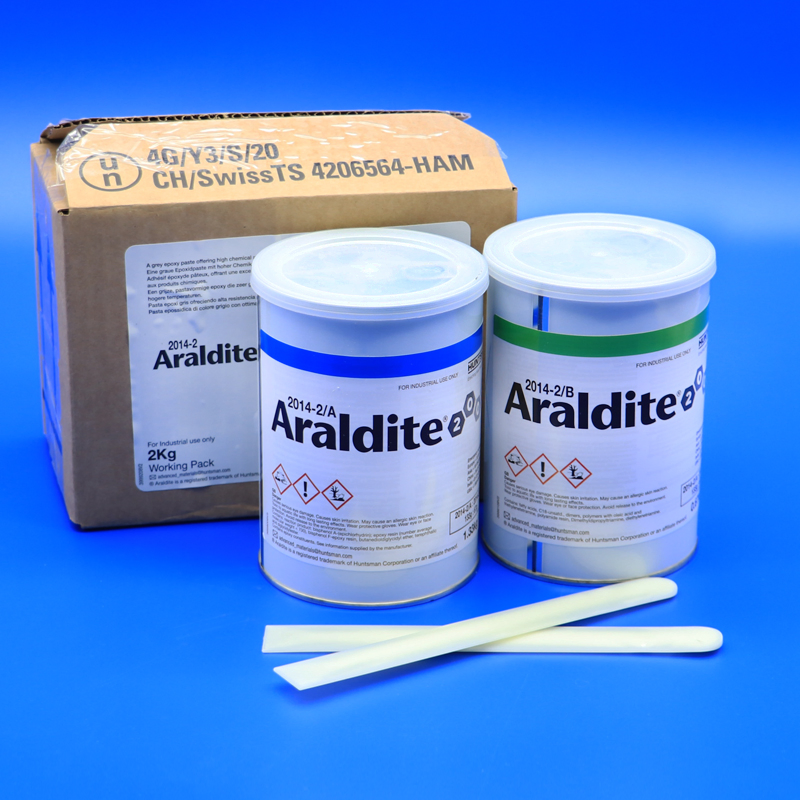
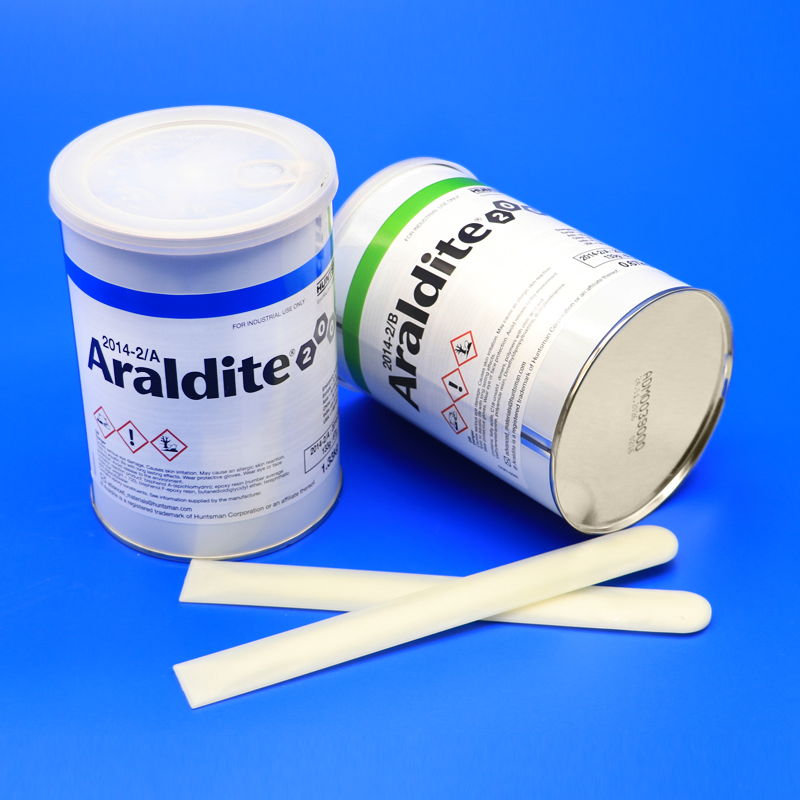
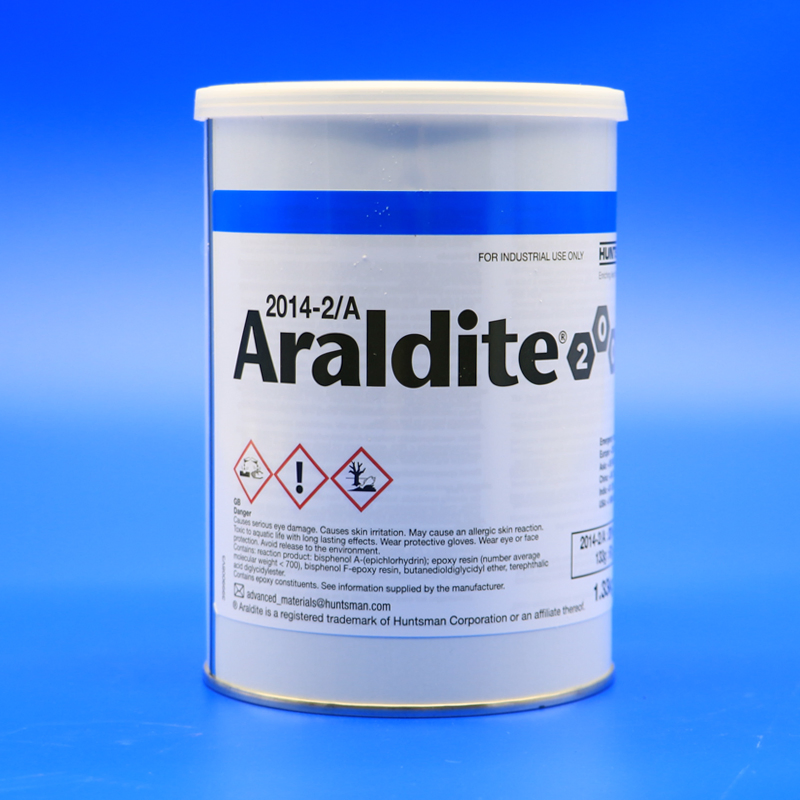
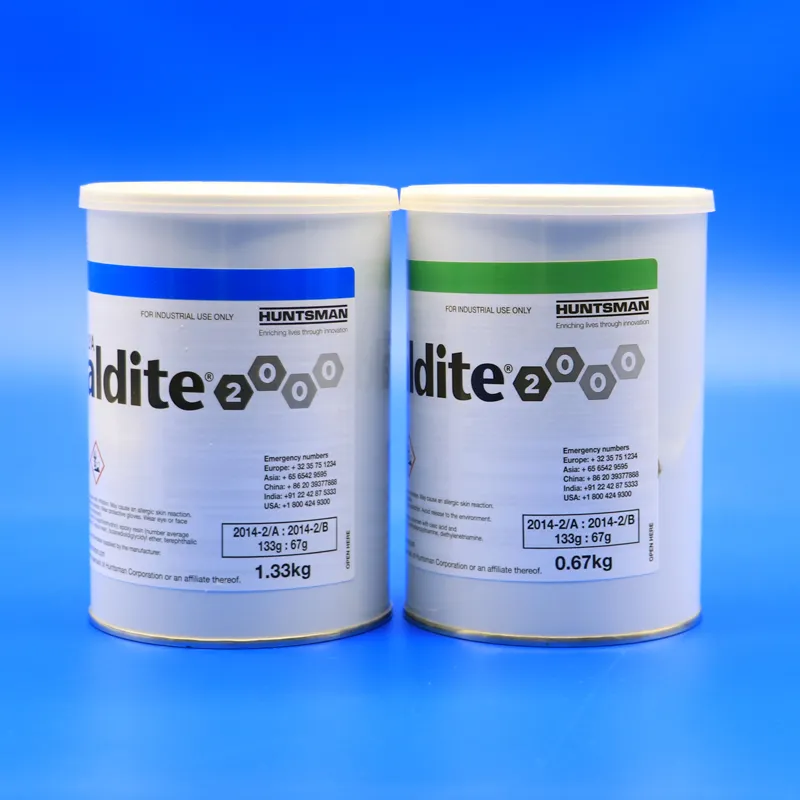
Araldite 2014-2 Ab Glue High Temperature and Chemical Resistance Epoxy Adhesive

Still deciding? Get samples of $ !
Request Sample

Product Description

Basic Information
Model NO.
A-2014-2-2KG
Composition
Organic Material
Morphology
Paste
Product Name
Araldite 2014-2
Net Weight
2kg/Set
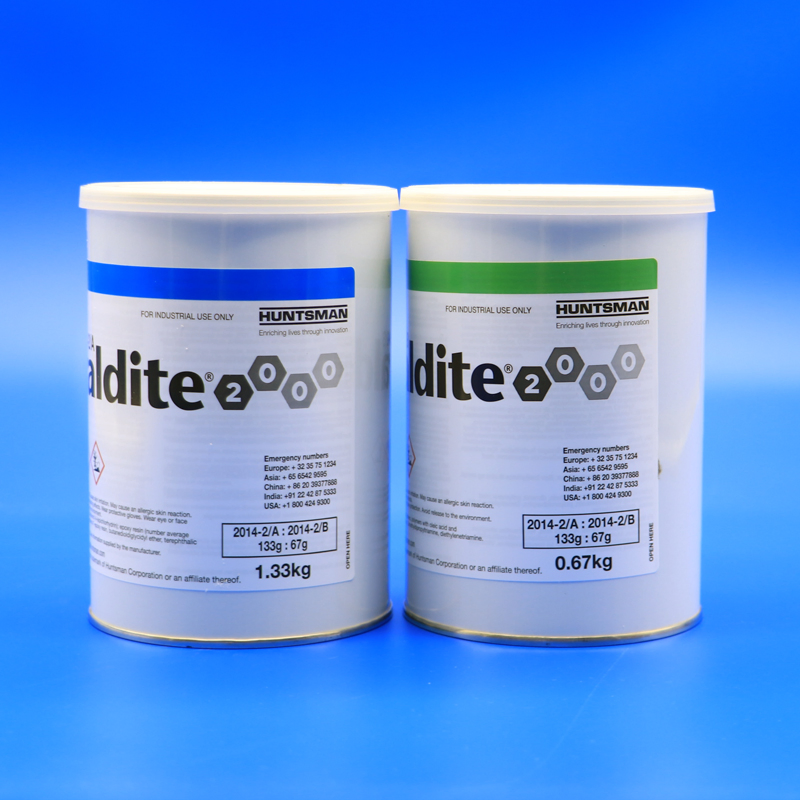
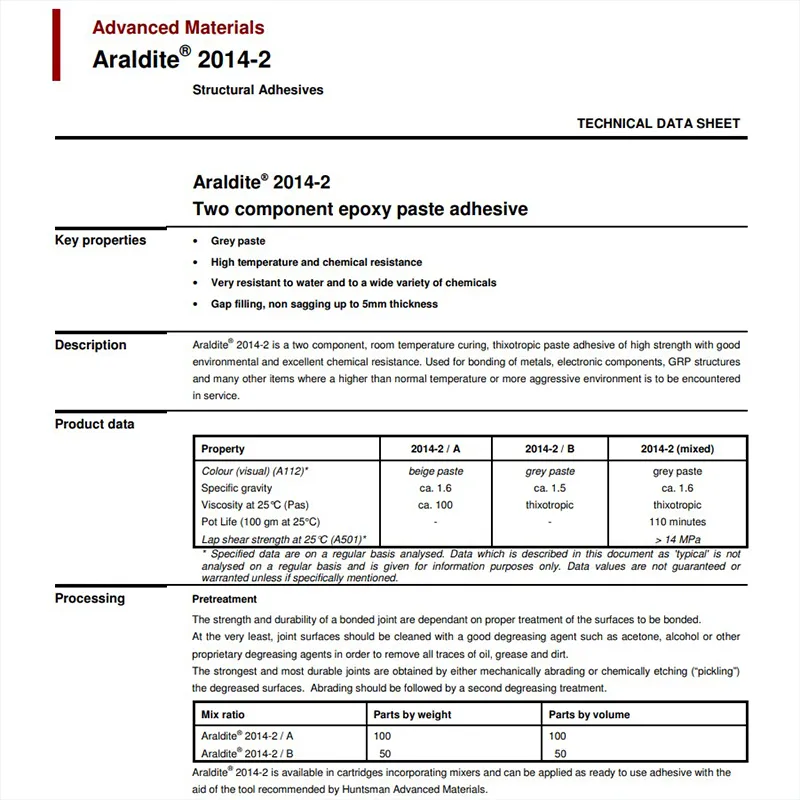
Mix Ratio
100:50
Working Time
110 Minutes
Cured Time
12-24 Hours
Temperature
-40 to 140℃
Origin
United Kingdom
Product Description
Araldite 2014-2
Country of Origin United Kingdom
Certification ISO9001 / ISO14000 / RoHs
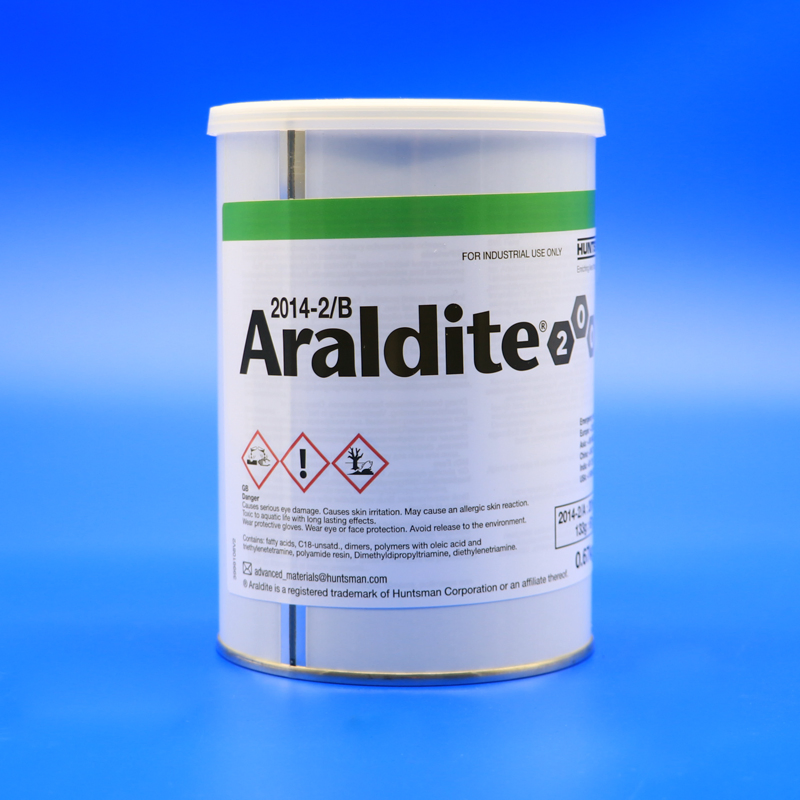
ARALDITE 2014-2 is a two component, room temperature curing, thixotropic paste adhesive of high strength with excellent chemical resistance.

Key Properties:
• Grey paste structural adhesive
• High temperature and chemical resistance
• Very resistant to water and wide variety of chemicals
• Gap filling, non sagging up to 5mm thickness
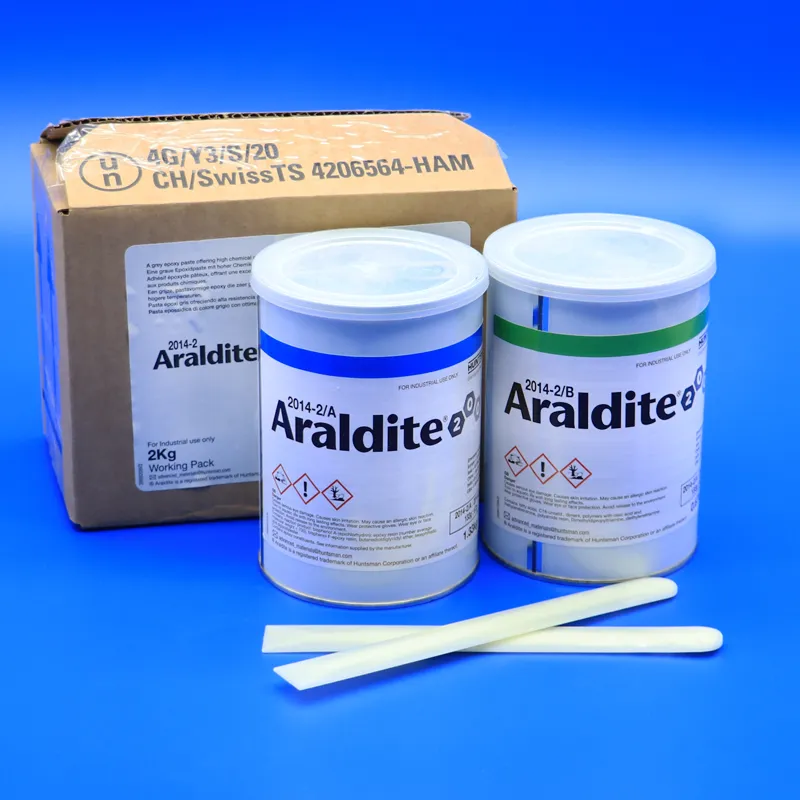
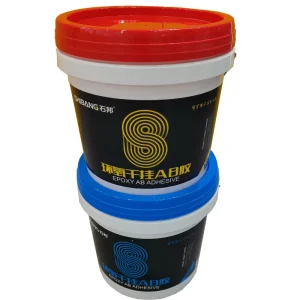
Epoxy Adhesive 1 Epoxy Adhesive 2
Packaging Options
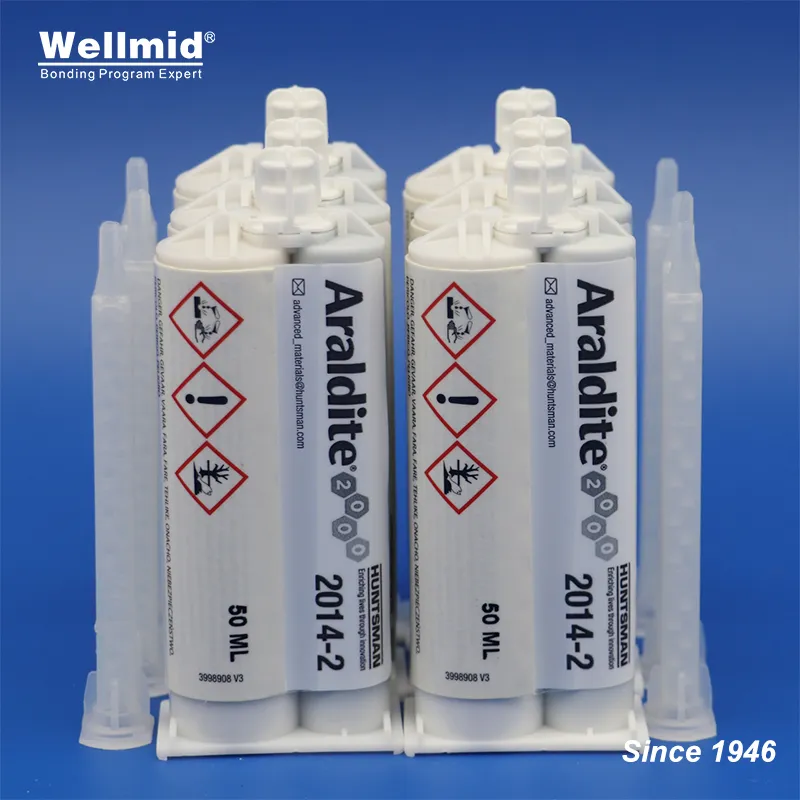
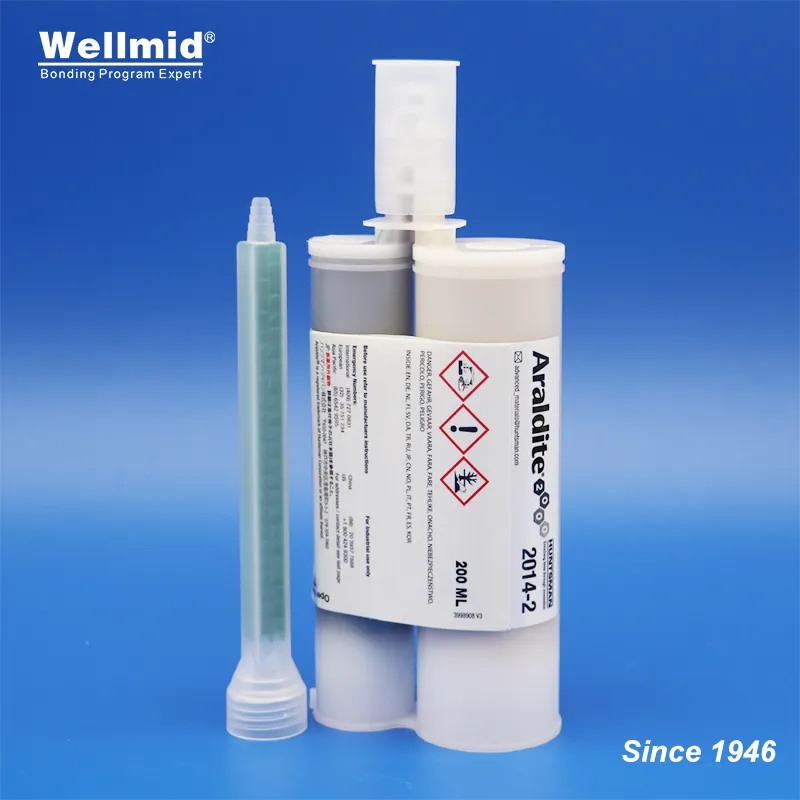
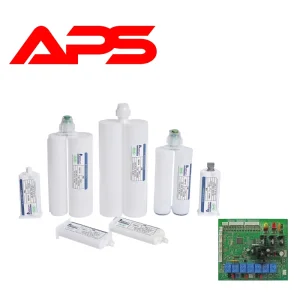
50ML Packaging 200ML Packaging Set Packaging
Frequently Asked Questions
1How strong is this glue?
The right glue, properly applied, will give you a permanent fix as strong as any mechanical device. Araldite products are specified by engineers and manufacturers worldwide.
2When is it safe to use what I've repaired?
All glues have a period over which the "bond strength" increases to its maximum. Araldite 2014-2 typically requires 12-24 hours for a full cure at room temperature.
3Will the adhesive cure at low temperatures?
Araldite adhesives are not recommended for use below 10°C. Curing times are based on 23°C; lower temperatures will significantly extend the cure time.
4Are there any materials that cannot be bonded?
Yes, plastics such as PP (Polypropylene), PE (Polyethylene), and PTFE (Polytetrafluorethylene) cannot be bonded with these types of adhesives.
5How can I remove cured residues of Araldite?
Cured residues may be destroyed by immersion in commercial paint strippers for up to 24 hours. Note that these chemicals may be hazardous or attack the substrate material.
6Why does the surface remain sticky after curing?
Under certain conditions, the hardener reacts with carbon dioxide in the air, leaving a sticky layer. This doesn't mean it's not cured and can usually be removed with a wet cloth.

Related Products