Engineered raw materials optimized for Namibia's specialized industrial and commercial flooring projects.
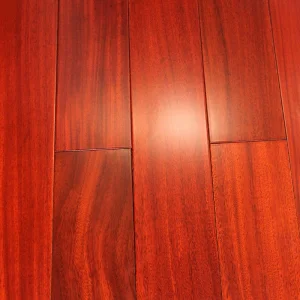
An in-depth look at local commercial activities, climate requirements, and high-performance polymer solutions.
Namibia is experiencing a significant wave of industrial modernization. From the expansion of the deepwater port at Walvis Bay to the massive mining operations in the Erongo region (uranium, gold, and lithium extraction) and the growing logistics nodes along the Trans-Kalahari Corridor, industrial floors are subjected to intense mechanical and chemical stress.
Concrete structures in Namibia face unique local environmental factors: rapid thermal cycling from hot desert days to cold coastal nights, extreme UV index ratings, and highly alkaline or saline coastal soils. Untreated concrete floors deteriorate rapidly, resulting in structural integrity loss, dust contamination, and safety hazards. Standard paint products fail under these aggressive conditions. Only high-crosslink density Epoxy Floor Coatings engineered with premium raw materials can withstand such heavy-duty operational demands.
"By manufacturing and supplying premium monomers, bisphenol-A/F resins, and highly reactive polyamine/polyaspartic curing agents, we enable local blenders and contractors in Windhoek, Swakopmund, and Walvis Bay to formulate coatings that deliver superior adhesion, chemical resistance, and longevity."
- Director of Chemical R&D, SINO-SINA / Shengchuang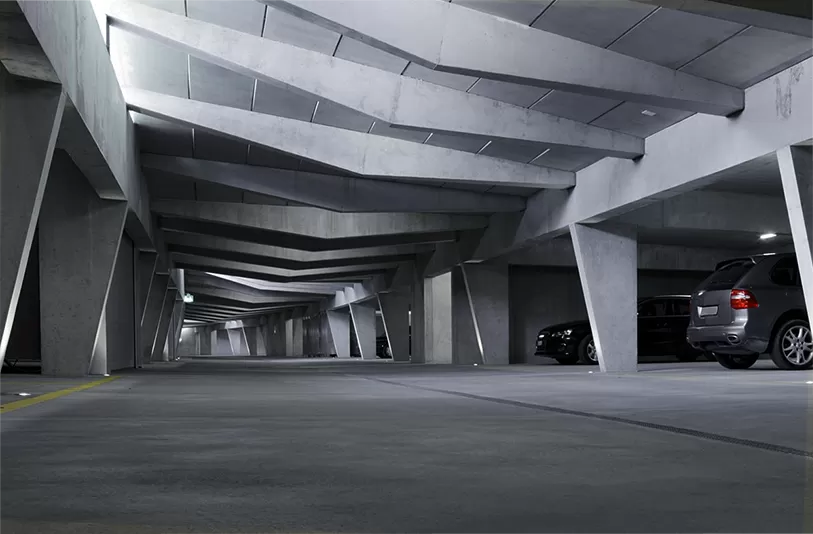
Critical raw material components used to enhance hardness, abrasion resistance, and moisture protection in modern resin systems.
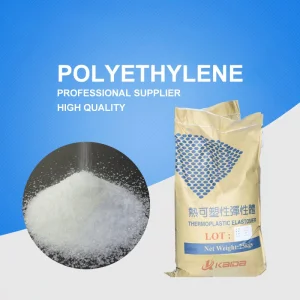
Bridging global raw material innovations with localized applications across SADC infrastructure projects.
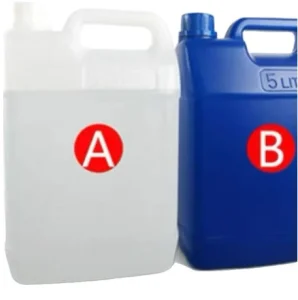
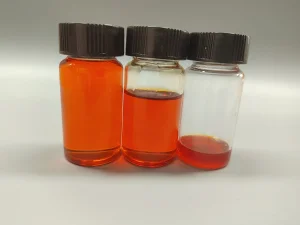
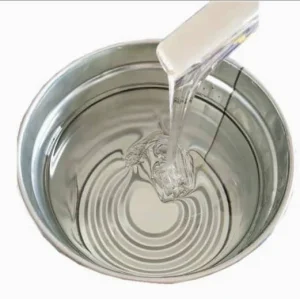
At the core of a high-performance floor coating is polymer crosslinking density. Our liquid epoxy resins, such as Modified Bisphenol A resins, are synthesized to achieve exceptional chemical stability. When combined with specialized aliphatic or cycloaliphatic amine curing agents, the coating forms an impermeable, highly durable matrix.
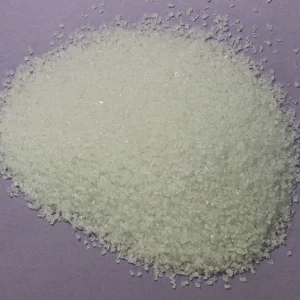
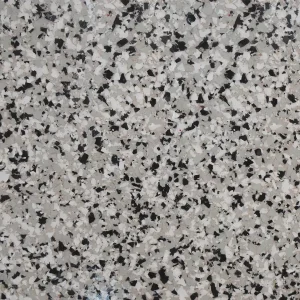
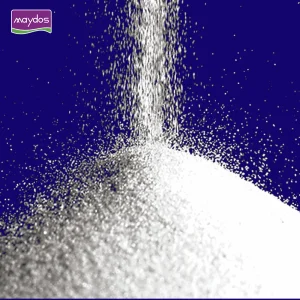
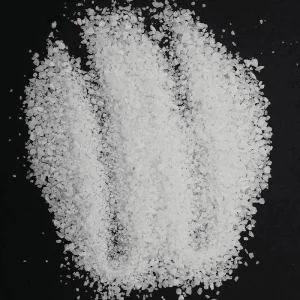
For applications demanding extreme hardness and wear resistance—such as heavy mining workshops or high-traffic warehousing—we supply auxiliary components like high-purity White Fused Alumina (WFA). Acting as a non-slip aggregate, WFA locks into the curing epoxy grid to achieve Mohs hardness ratings exceeding 9. This ensures long-term resistance to heavy tracked vehicles and high impact forces.
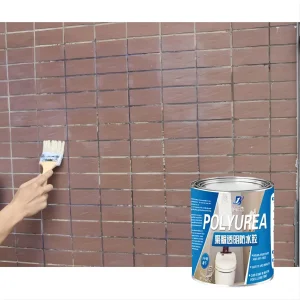
Additionally, we supply state-of-the-art Polyaspartic and Polyurea systems, which are ideal for exterior applications or projects requiring rapid turnaround. Unlike traditional epoxies, polyaspartics offer outstanding UV resistance, preventing yellowing and chalking under Namibia’s high-radiation desert sun, while reducing curing times to just a few hours.
As a key developer of advanced structural materials, Explore Shengchuang Concrete Hot Products. We provide a comprehensive range of products including concrete admixtures, specialized mortars/grouts, epoxy resins, concrete repair materials, structural strengthening systems, and innovative construction solutions.
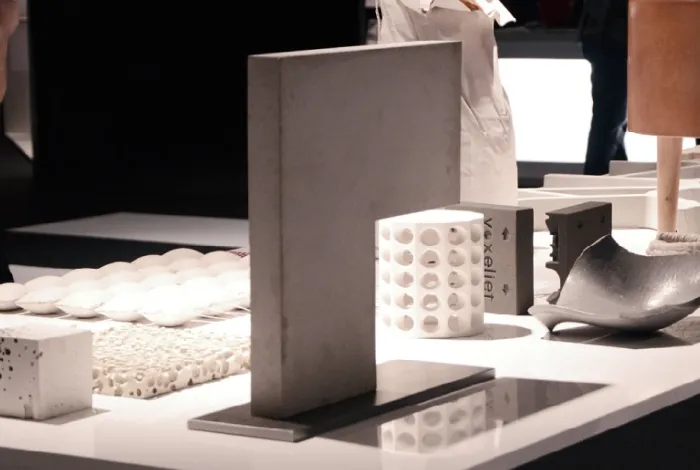
Our solutions extend into UHPC Cladding Panels (Ultra-High Performance Concrete), which represents a major advancement in building envelopes and architectural structures. UHPC cladding panels are precast cladding elements that leverage ultra-high-strength matrices, displaying exceptional flexural tensile strength, impact absorption, and long-term durability. By coupling UHPC facade panels with custom-engineered epoxy adhesives, we deliver highly durable, long-lasting construction systems suited for both public and private sector projects throughout Southern Africa.
Manufactured under strict ISO 9001:2015 QC protocols to ensure reliable crosslinking and consistent curing in high-ambient environments.
Addressing structural requirements in various Namibian industries, from coastal processing plants to high-altitude mining sites.
Acid copper and gold leaching plants in places like Tsumeb and Otjikoto expose concrete substrates to harsh acidic compounds. Formulating with high-quality epoxy binders and silica fume aggregates provides the chemical resistance required to protect structural foundations.
Fish processing facilities in Walvis Bay and Lüderitz require frequent high-pressure hot water washdowns and sanitizing agents. Specifying low-odor, amine-cured epoxy and polyurea systems creates seamless, non-porous floor surfaces that resist bacteria and organic fatty acids.
High-volume storage depots require exceptional abrasion resistance. Integrating White Fused Alumina and reactive diluents with standard Bisphenol-A epoxy creates dense, self-leveling floors capable of supporting heavy forklift and pallet jack traffic.
We are a national high-tech enterprise that has been dedicated to the field of special concrete structure construction, bonding, reinforcement, and protection since 2008. We boast numerous patents covering bridge, tunnel, concrete structure reinforcement systems, and concrete repair technologies. This deep background in polymer science allows us to offer tailor-made epoxy floor coating raw materials, ensuring that every batch shipped to Windhoek, Swakopmund, or Walvis Bay meets global quality and environmental standards.
Connect with our senior technical advisors for free product specification sheets, chemical compatibility matrices, and pricing details for high-performance epoxy raw materials.
Send Inquiry NowEssential technical support and application guidelines for floor coating formulators and contractors in Namibia.
High ambient temperatures accelerate the crosslinking reaction, which significantly shortens the working pot-life of the resin system. For Namibian projects, we recommend formulating with modified cycloaliphatic amines or specialized reactive diluents that slow down early-stage curing. This allows application crews in areas like Windhoek or northern mining sectors to achieve proper self-leveling and substrate wet-out before the resin cures.
White Fused Alumina (WFA) is a hard, chemically inert abrasive aggregate (99%+ Al2O3). Incorporating it as a broadcast aggregate or structural filler drastically increases the slip resistance and wear rating of epoxy coatings. This is especially important for heavy-duty industrial environments, such as mining workshop floors and high-traffic loading ramps.
Polyaspartic coatings cure much faster than standard epoxies, allowing for a rapid return to service (often within hours rather than days). Additionally, polyaspartics possess superior UV light resistance, preventing yellowing and degradation when exposed to direct sunlight. This makes them ideal for exterior applications or structures in Namibia with large skylights.
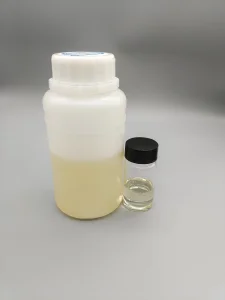
Unmodified Bisphenol-A epoxy resins are highly viscous liquids that are difficult to apply without solvent dilution. Reactive diluents, such as C12-C14 Glycidyl Ethers, lower the system's viscosity to allow for high pigment loading and self-leveling performance, all while reacting directly into the polymer network to maintain overall chemical resistance.
 Shengchuang Building