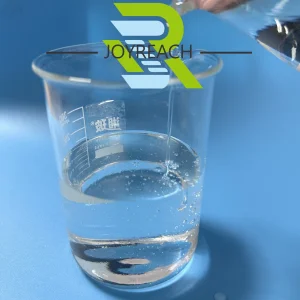
Highly stable liquid and powder formulations optimized for high-strength concrete mixes, precast element manufacturing, and challenging high-temperature placements.

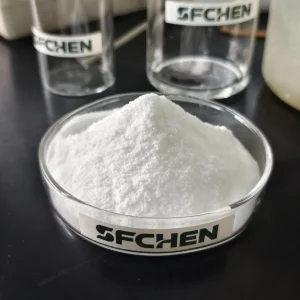
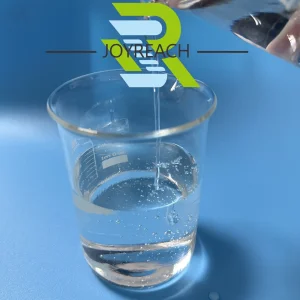
Understanding localized environmental and geological dynamics that dictate high-performance concrete chemical requirements.
The Tropical Environmental Challenge
Trinidad and Tobago presents a distinct set of challenges for structural concrete applications. The dual-island nation's tropical climate features high ambient temperatures (often exceeding 32°C/90°F) and elevated relative humidity throughout the year. This environment accelerates the hydration process of cement, resulting in rapid slump loss, shortened setting times, and an increased risk of cold joints during transport and placement.
Furthermore, the vast coastal infrastructure—stretching from the industrial ports of Point Lisas and Port of Spain to maritime defenses along the East Coast—demands low-permeability concrete designed to resist marine chloride penetration and sulfate attacks. Standard concrete designs without high-range water reducers (HRWR) require elevated water content to achieve structural workability, which compromises the final strength and compromises structural longevity.
Local fine aggregates in Trinidad, such as Melajo sand and sand mined from local rivers, typically contain varied levels of clay particles. Traditional concrete plasticizers fail to maintain performance in the presence of these clays, leading to severe dosage sensitivity. PCE (Polycarboxylate Ether) admixtures with customized clay-tolerance properties are vital for ready-mix operations across Trinidad & Tobago.
How steric hindrance and electrostatic repulsion technologies optimize concrete mix designs in tropical maritime climates.
Unlike Naphthalene (SNF) admixtures that disperse cement particles solely through electrostatic repulsion, PCE molecules feature long polyoxyethylene (EO) ether side chains. These side chains extend outward, creating physical steric barriers that maintain particle separation even as hydration proceeds under intense tropical heat.
Trinidad aggregates frequently have high water absorption levels due to fine silt content. Modern PCE formulations incorporate specifically spaced negative charge densities along their backbones. This prevents the molecules from being consumed or trapped within the interstitial spaces of expanding clay particles.
By synthesizing PCE with controlled ester hydrolysis mechanisms, fresh polymers are continuously released into the concrete pore solution during transport. This ensures the concrete maintains its target consistency (e.g., 200mm slump) from Chaguanas batching plants to coastal construction sites in Tobago.
| Admixture Family | Water Reduction Rate | Slump Retention Time (at 32°C) | Recommended Applications in T&T | Clarity & Environmental Profile |
|---|---|---|---|---|
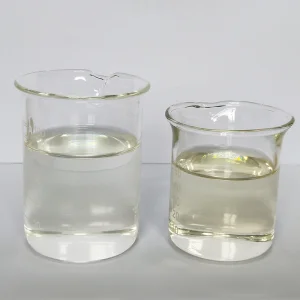
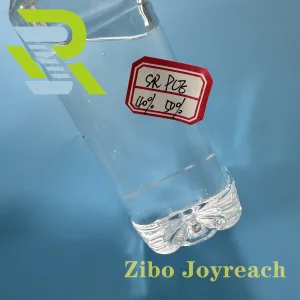
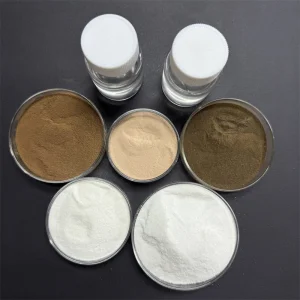
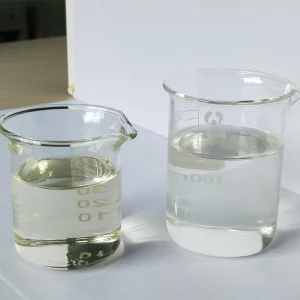
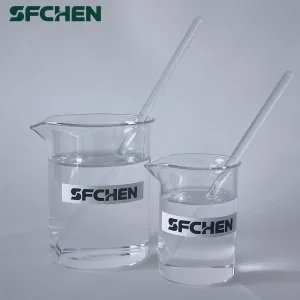
| PCE Liquid (Sfc-12L / Mother Liquor) | Up to 35% - 40% | 90 - 150 Minutes | Marine concrete, Ready-Mix, Piles, High-Rise Structures | Low VOC, biodegradable, zero formaldehyde emissions |
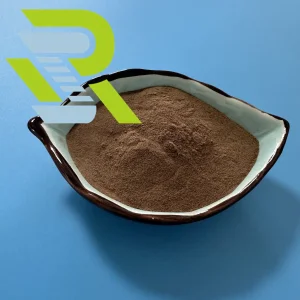
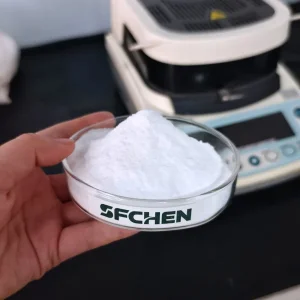
| PCE Powder (Sfc-12P 98% Solids) | Up to 30% - 35% | 60 - 90 Minutes | Dry-mix mortars, grouts, refractory concrete linings | Easier shipping, long shelf life in humid conditions |
| Naphthalene Based (FDN/SNF) | Up to 15% - 25% | 30 - 45 Minutes | General masonry work, precast blocks, low-cost concrete | Traditional standard chemistry, low-cost option |
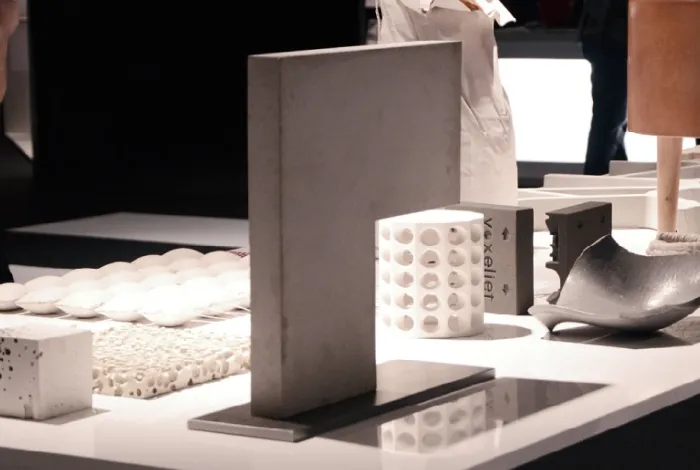
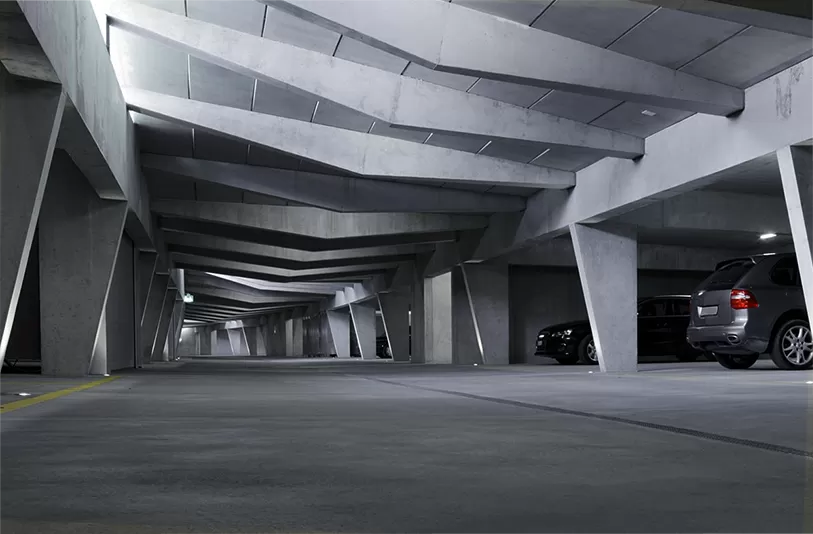
New Generation Concrete Technology: UHPC. Ultra-High Performance Concrete (UHPC) cladding panels offer exceptional durability and aesthetic versatility for high-end Caribbean construction. Synthesized with our advanced polycarboxylate chemistry, these architectural cladding panels possess extreme compressive strength (exceeding 120 MPa) and a dense micro-structure that prevents saltwater ingress, making them ideal for coastal environments in Trinidad and Tobago.
By leveraging specialized PCE water reducers, we control the packing density of the cementitious matrix. This achieves maximum strength and minimal permeability, protecting the structure from wind-driven rain, atmospheric salts, and tropical UV deterioration.
Explore PCE for UHPCSince 2008, we have operated as a national high-tech enterprise dedicated to structural construction, bonding, reinforcement, and concrete protection. We hold multiple patents covering bridge deck overlays, tunnel structures, and concrete repair systems.
Our deep expertise in polymer chemistry allows us to export tailored concrete admixtures, specialized grouts, epoxy systems, and high-performance concrete repair materials worldwide. We prioritize the needs of the Trinidad and Tobago construction sector, supplying key products for ready-mix operations and civil infrastructure projects.
How our manufacturing capacity, quality control, and shipping logistics support critical projects in the Caribbean.
Our production facilities operate automated polymerization reactors that guarantee a batch-to-batch solid content deviation of less than 0.5%. Every export shipment is tested for slump retention, density, pH, and chloride content, ensuring compliance with ASTM C494 standards before departing our factory gates.
For liquid admixtures, we supply in 1000L IBC tanks, 200L drums, or high-capacity flexitanks (up to 24,000 liters per 20ft container) to optimize maritime shipping rates. For dry powder variants, we use 25kg multi-layer damp-proof bags to protect the material from sea spray and tropical humidity.
Our strong partnerships with international shipping lines enable reliable routing to Port of Port of Spain and Port of Point Lisas. We provide all necessary export documentation, including Certificate of Analysis (CoA), Safety Data Sheets (SDS), and custom declarations, ensuring a smooth customs clearance process.
Select from our range of water-reducing agents, slump retainers, and high-performance polycarboxylate ethers.
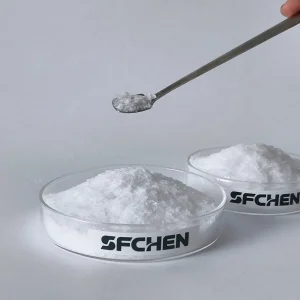
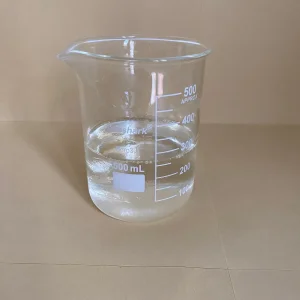
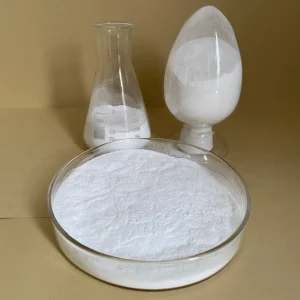
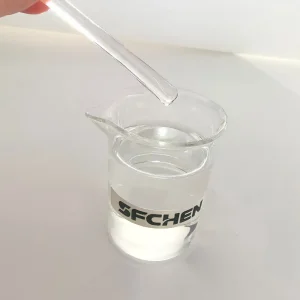
Optimized formulations for dry-mix concrete, spray applications, and specialized building mortar systems.
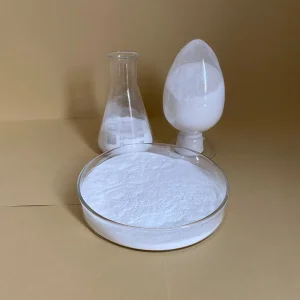
Get authoritative answers on concrete admixtures, custom formulations, and logistical operations for the Caribbean market.
Get in touch with our technical sales engineers today for a tailored quote, chemical compatibility tests, and shipping schedules to Trinidad & Tobago.
 Shengchuang Building