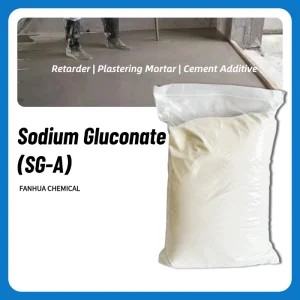
Cameroon is currently witnessing a massive transformation in its physical landscape, driven by ambitious projects such as the Kribi Deep Seaport expansion, urban housing developments in Douala and Yaoundé, and expansive highway infrastructure. In tropical climates characterized by high ambient temperatures and humidity, the control of concrete setting times is not just a requirement—it is a critical engineering necessity.
The construction sector in Cameroon requires materials that offer predictable workability retention. Whether it is a long-distance concrete pour for bridge infrastructure or rapid-setting requirements for commercial skyscrapers, our retarders provide the flexibility needed for:
We bridge the gap between world-class Chinese chemical manufacturing and the Cameroonian job site. Our supply chain model is built on resilience and direct-to-market efficiency:
We are actively integrating "Green Construction" philosophies into our portfolio. Future-proofing Cameroon's infrastructure means reducing the carbon footprint. Our retarders are designed to optimize cement efficiency, allowing for high-strength concrete mixes with reduced cement content, effectively contributing to lower CO2 emissions per cubic meter of finished construction.
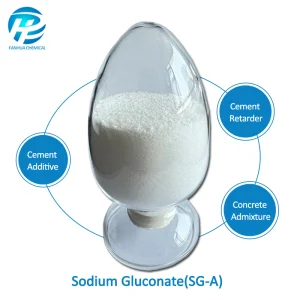
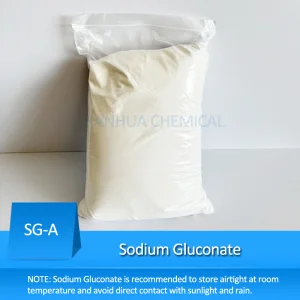
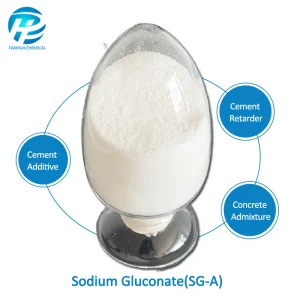
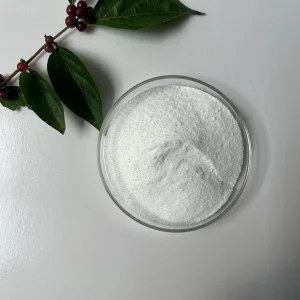
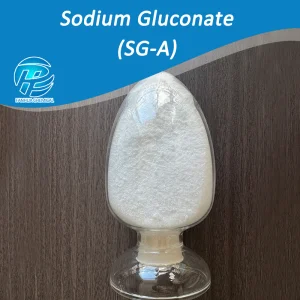
Q: Why is Sodium Gluconate the preferred retarder for tropical regions?
A: It offers superior water-reducing and retarding capabilities compared to lignosulfonates, with a lower risk of air entrainment issues, making it ideal for the high-temperature conditions in Cameroon.
Q: How do we handle customs and shipping to Douala/Kribi?
A: Our logistics team manages the documentation and export compliance, ensuring seamless customs clearance, specifically aligned with CIF or FOB terms for major Cameroonian ports.
 Shengchuang Building