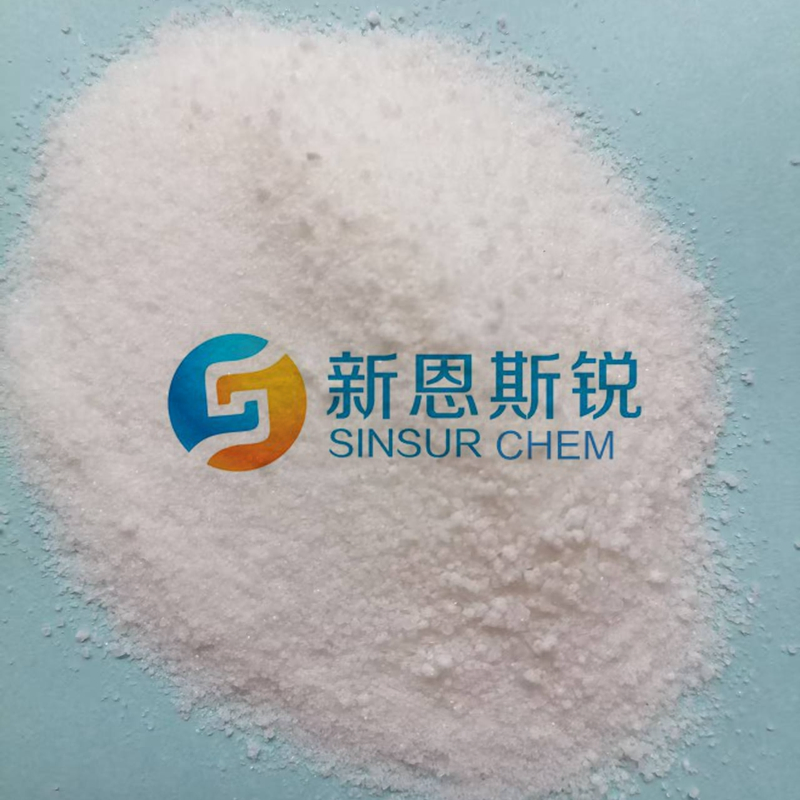
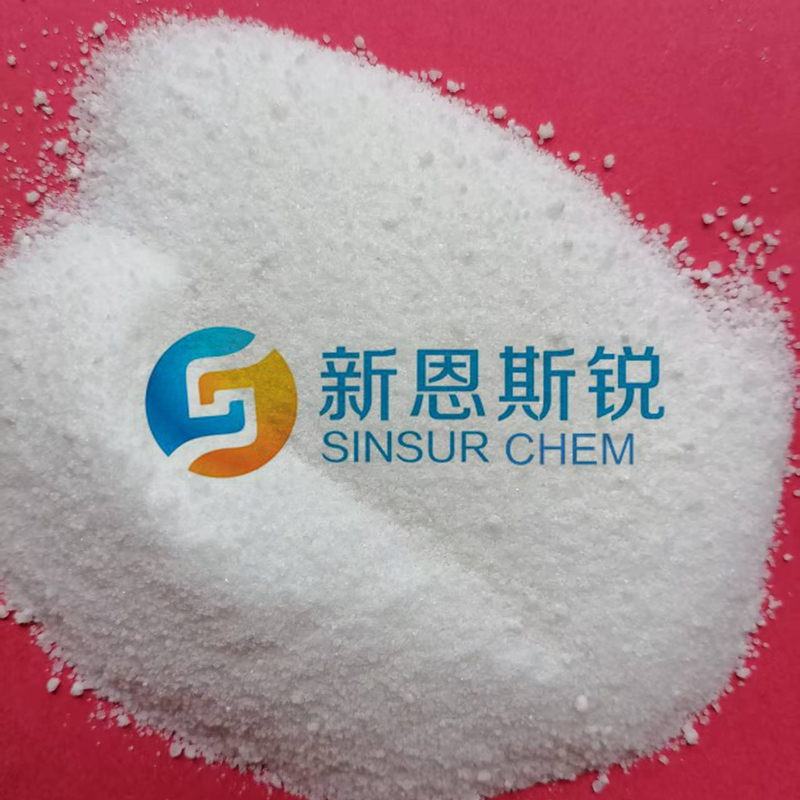
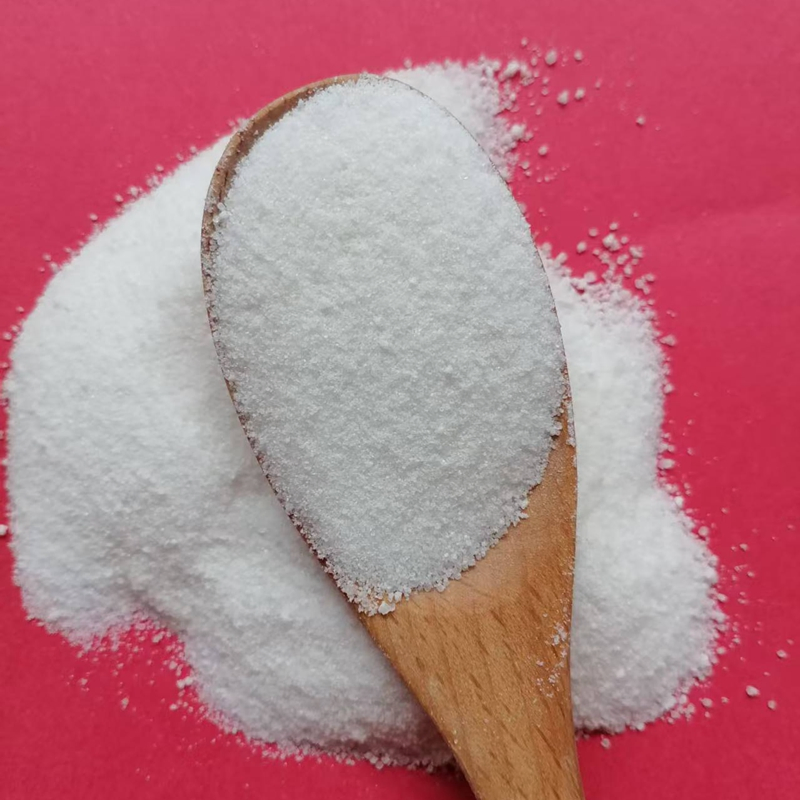
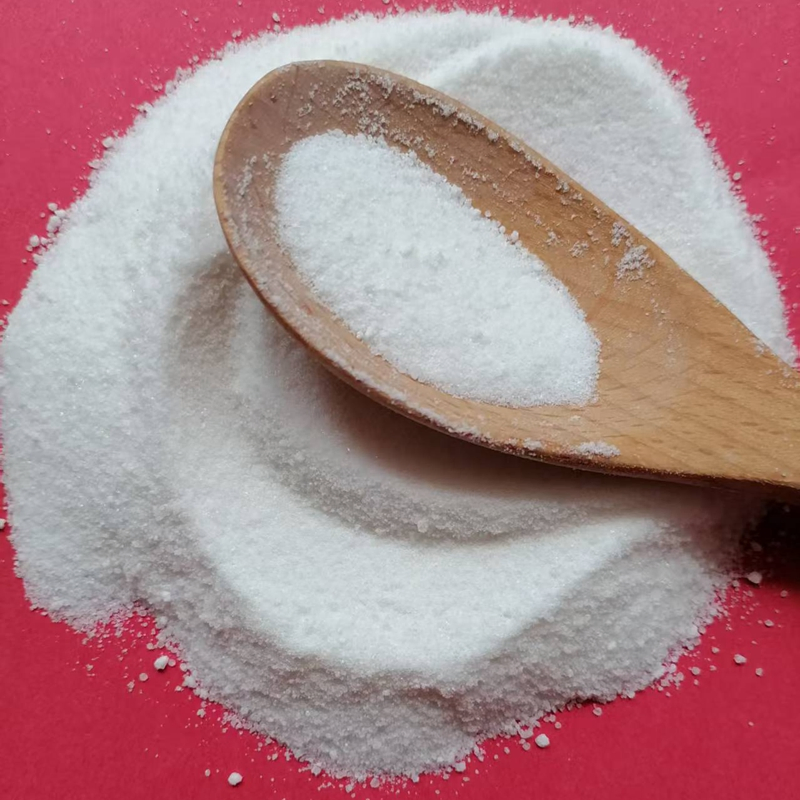
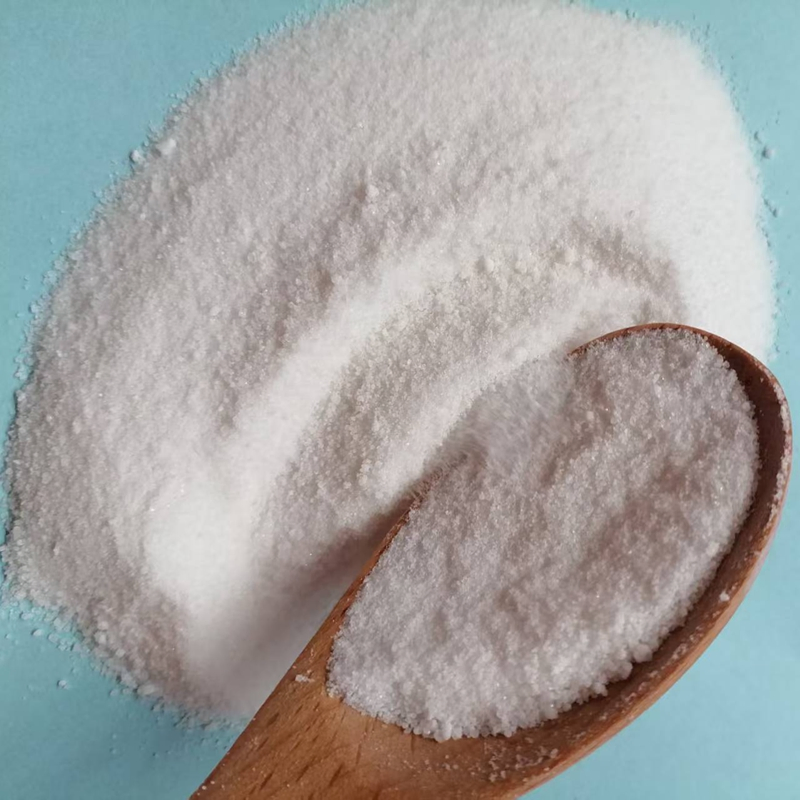
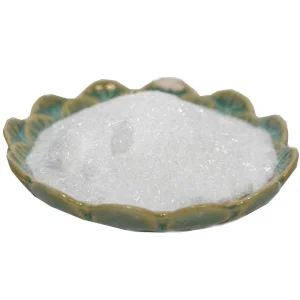
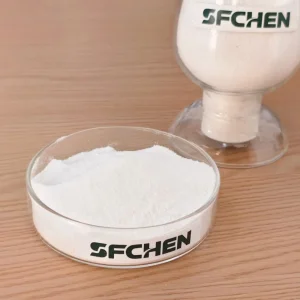
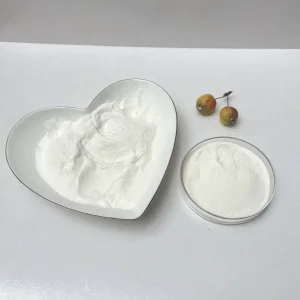
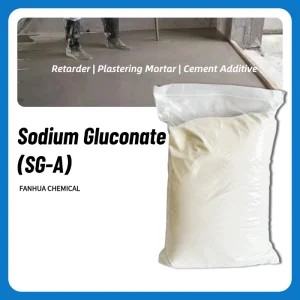
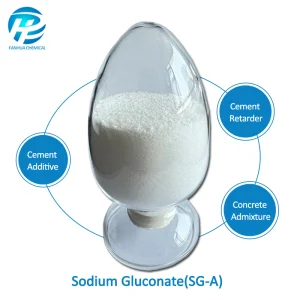
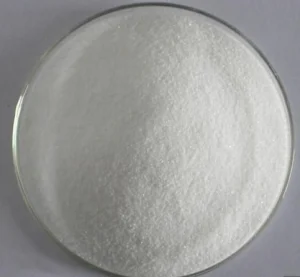
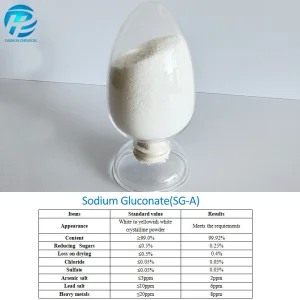
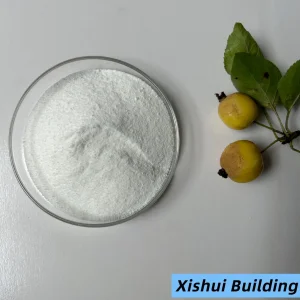
Sodium gluconate is a sodium polyhydroxycarboxylate, also known as sodium pentahydroxysodium, molecular weight 218.14, white or light yellow crystalline particles or powder, easily soluble in water, slightly soluble in alcohol and insoluble in ether, with certain salty taste. It is widely used in food, construction, pharmaceutical, water treatment, electroplate, develop industries, etc.
| The Item |
Unit |
The Standard |
| Appearance | -- | White crystalline or crystalline powder |
| Assay | % | 98.0-102.0 |
| Loss on Drying | % | 0.30Max |
| pH | -- | 6.2-7.8 |
| Reducing Substances | % | 0.5Max. |
| Heavy Metals | ppm | 20Max. |
| Arsenic | ppm | 3Max. |
| Sulfate | % | 0.05Max. |
| Chloride | % | 0.05Max. |
| Lead | ppm | 10Max. |
1. In building industry: As retarder and water reducing agent. Adding sodium gluconate in cement can increase plasticity and strength while delaying solidification time.
2. Surface cleaning for steel: Ensures coatings bond firmly by strictly cleaning surfaces.
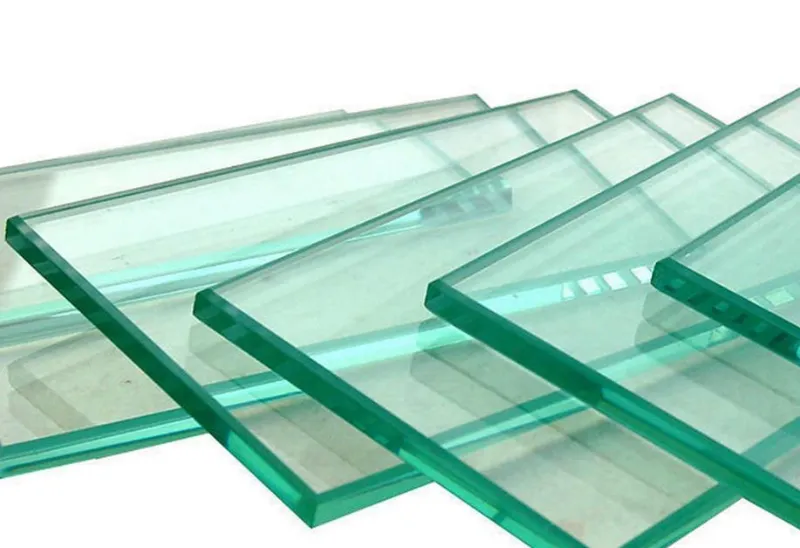
3. Special cleaning agent for glass: Ideal for bottle washing, preventing nozzle blockage and ensuring food safety residues are removed.
4. Water stabilizer: Functions as an excellent antiscale and inhibitor.
5. Industrial fields: Widely used in electroplating, film manufacturing, and more.
?
Frequently Asked Questions
What is the primary function of Sodium Gluconate in concrete?
It primarily acts as a high-efficiency retarder and a water-reducing agent, improving the workability and strength of concrete.
Is this product suitable for use in the food industry?
Yes, Sodium Gluconate is widely used in the food industry for nutrition and taste improvement, often designated under E No. E576.
What is the purity (assay) of your industry-grade Sodium Gluconate?
Our Sodium Gluconate maintains a high purity level with a minimum assay of 98.0%.
How should the product be stored?
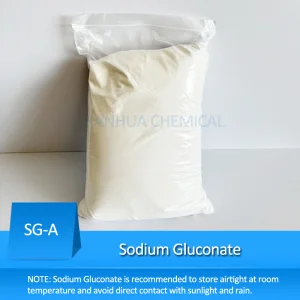
It should be stored in a cool, dry, and well-ventilated area away from moisture to prevent clumping of the crystalline powder.
Can it be used for cleaning glass bottles?
Yes, it is a key ingredient in glass bottle detergents as it prevents nozzle blockage and effectively removes residues and labels.
What are the common packaging options available?
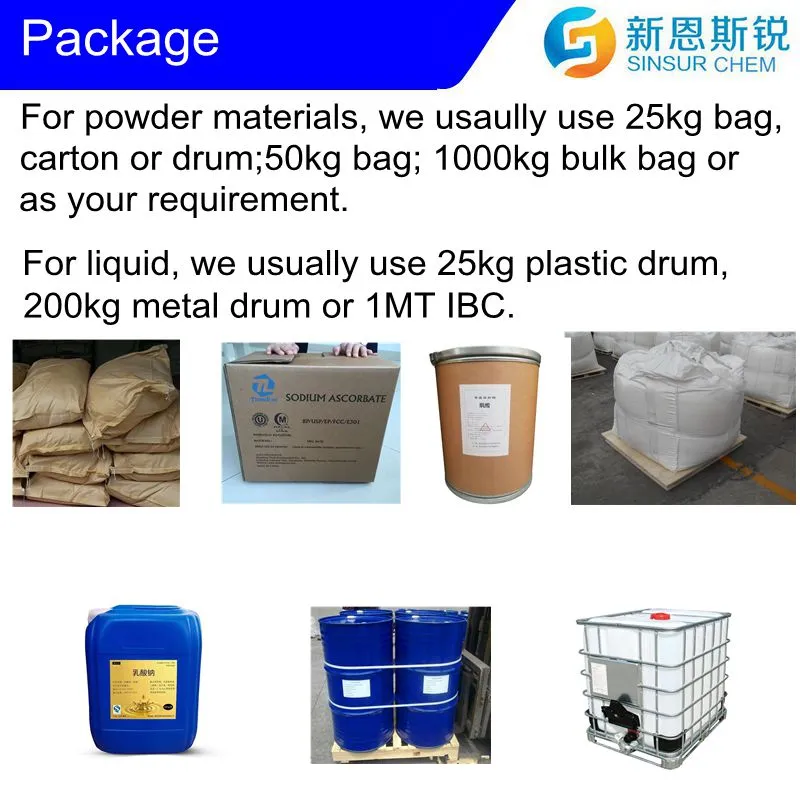
Standard packaging includes 25kg bags and large 1000kg bags to suit different industrial requirements.
 Shengchuang Building