📊 Basic Specifications
Tensile Strength
10MPa or Above
Type
Building Sealing Material
Production Capacity
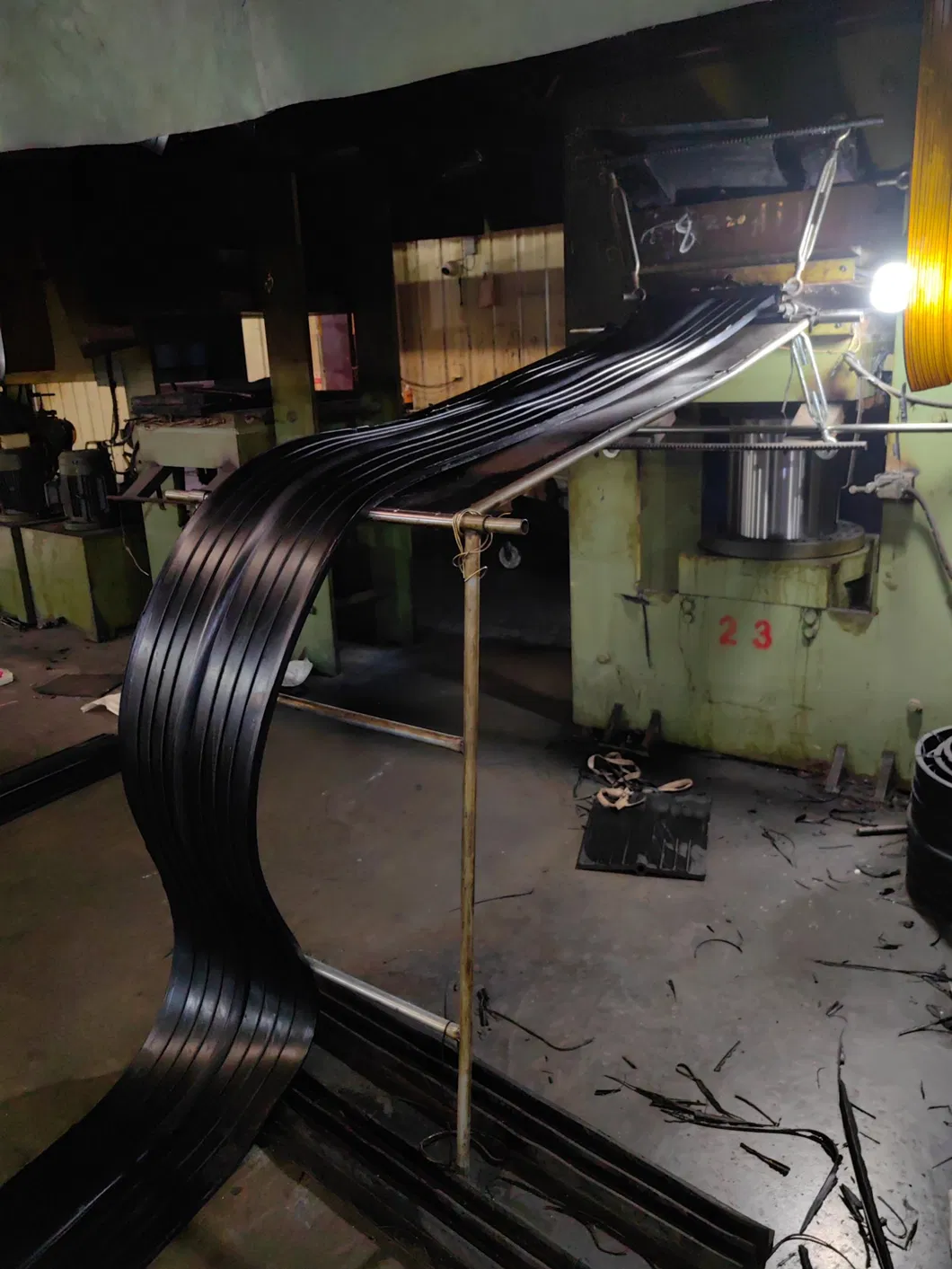
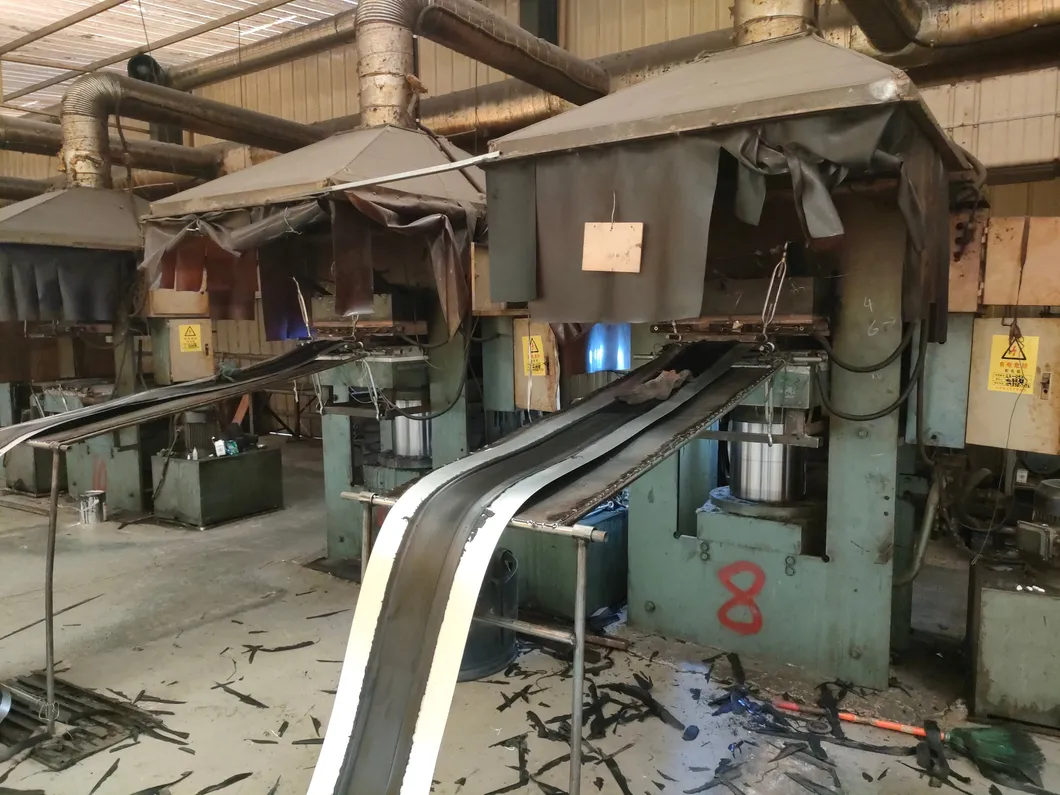
50,000 Meters/ Month
📦 Packaging & Delivery
Package Size
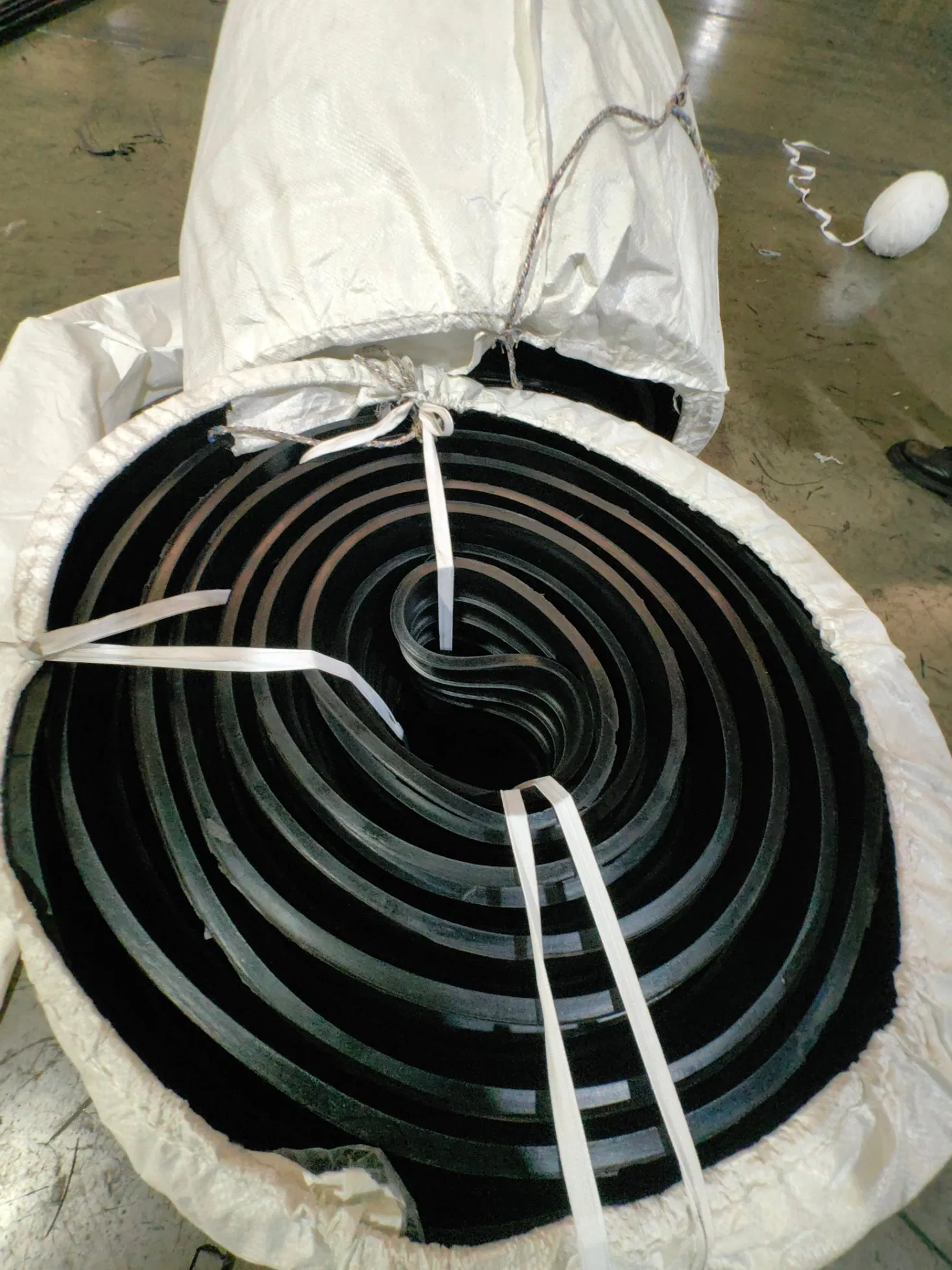
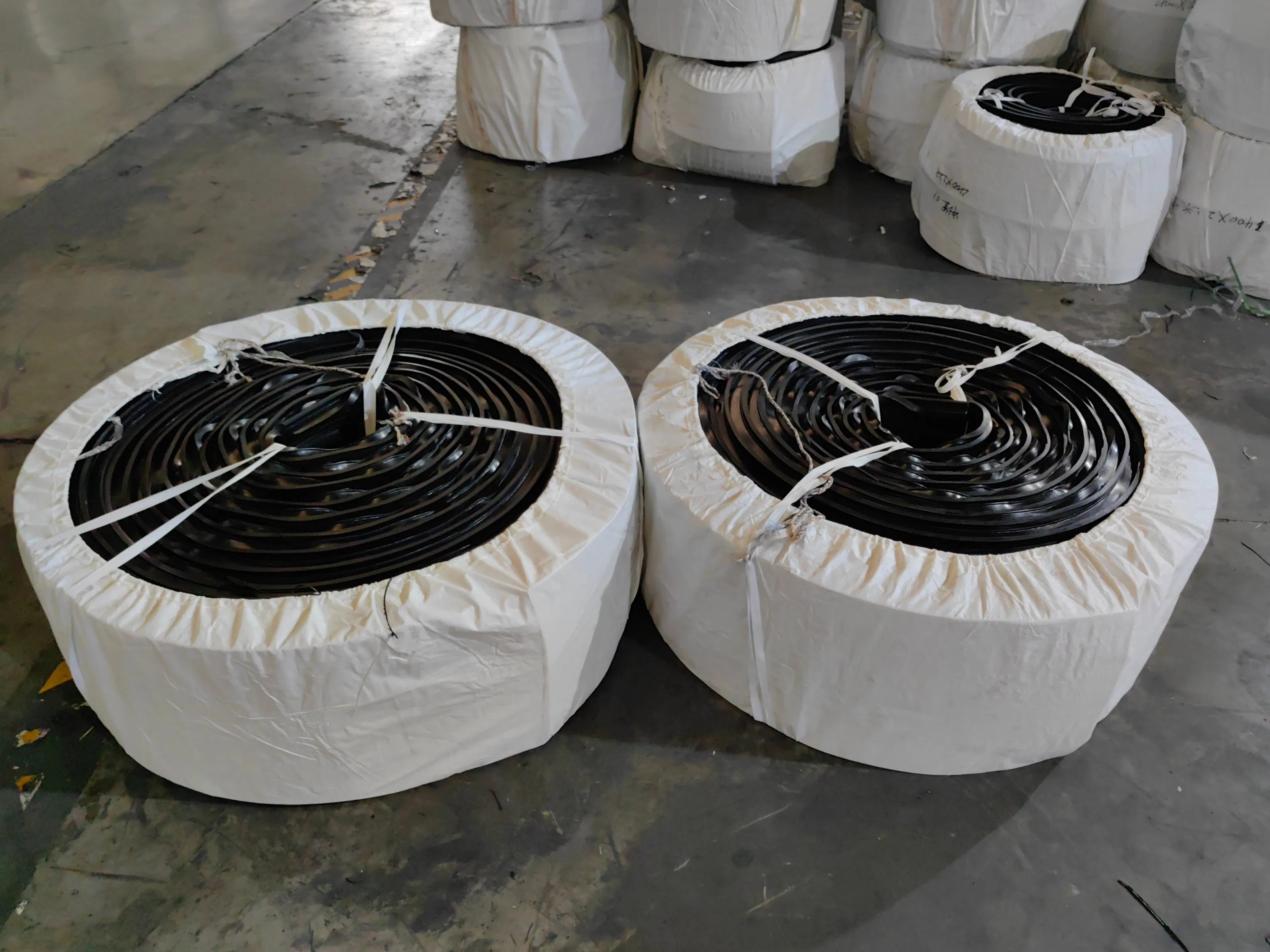
600.00cm * 250.00cm * 250.00cm
📝 Product Description
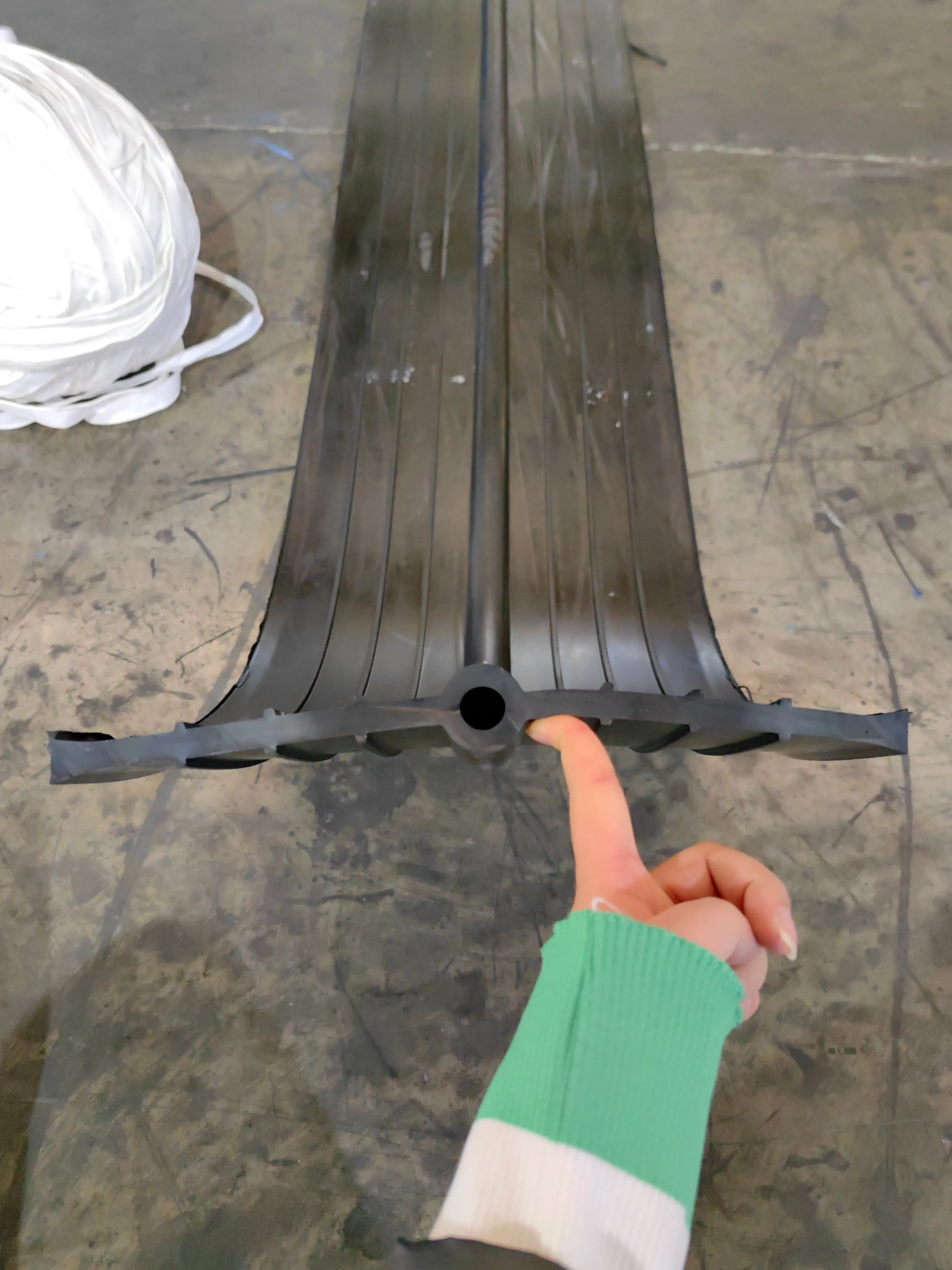
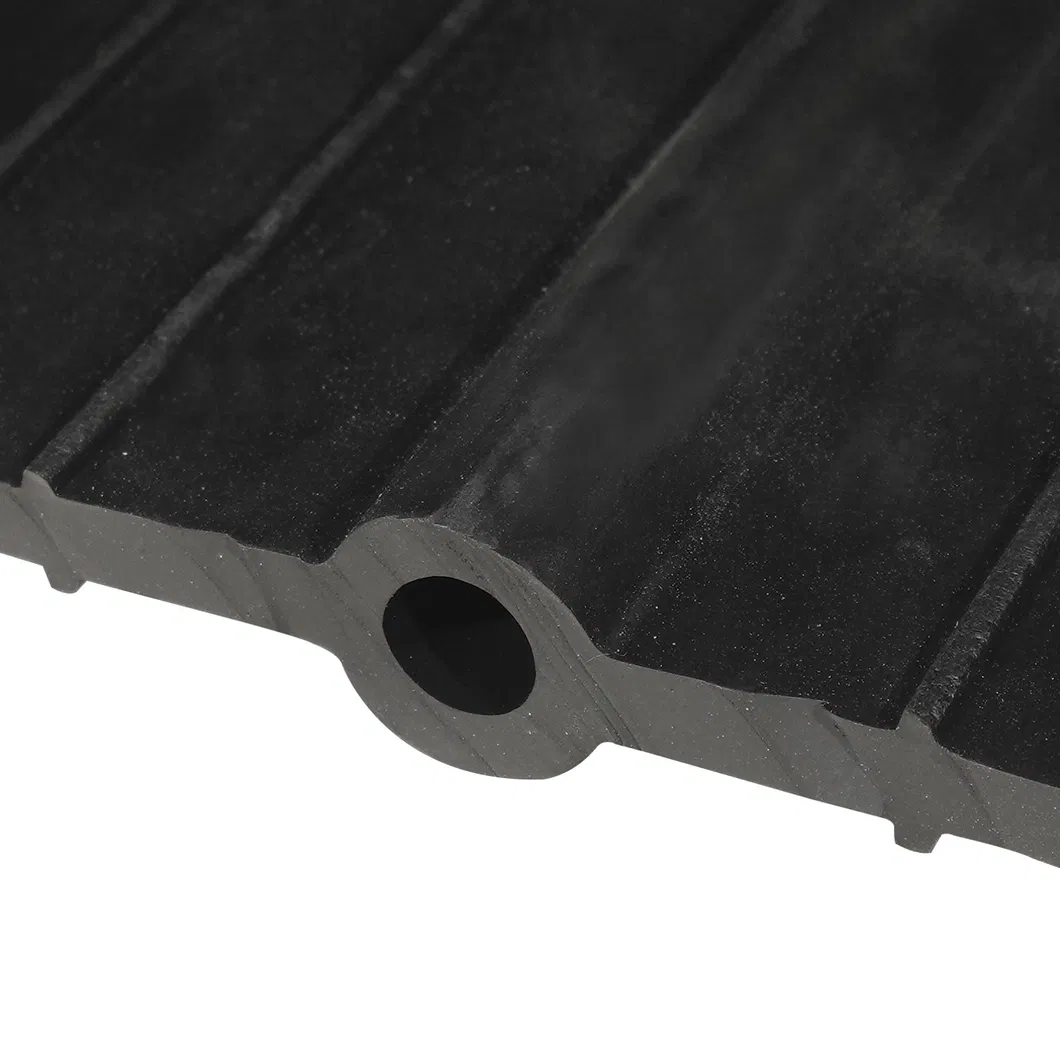
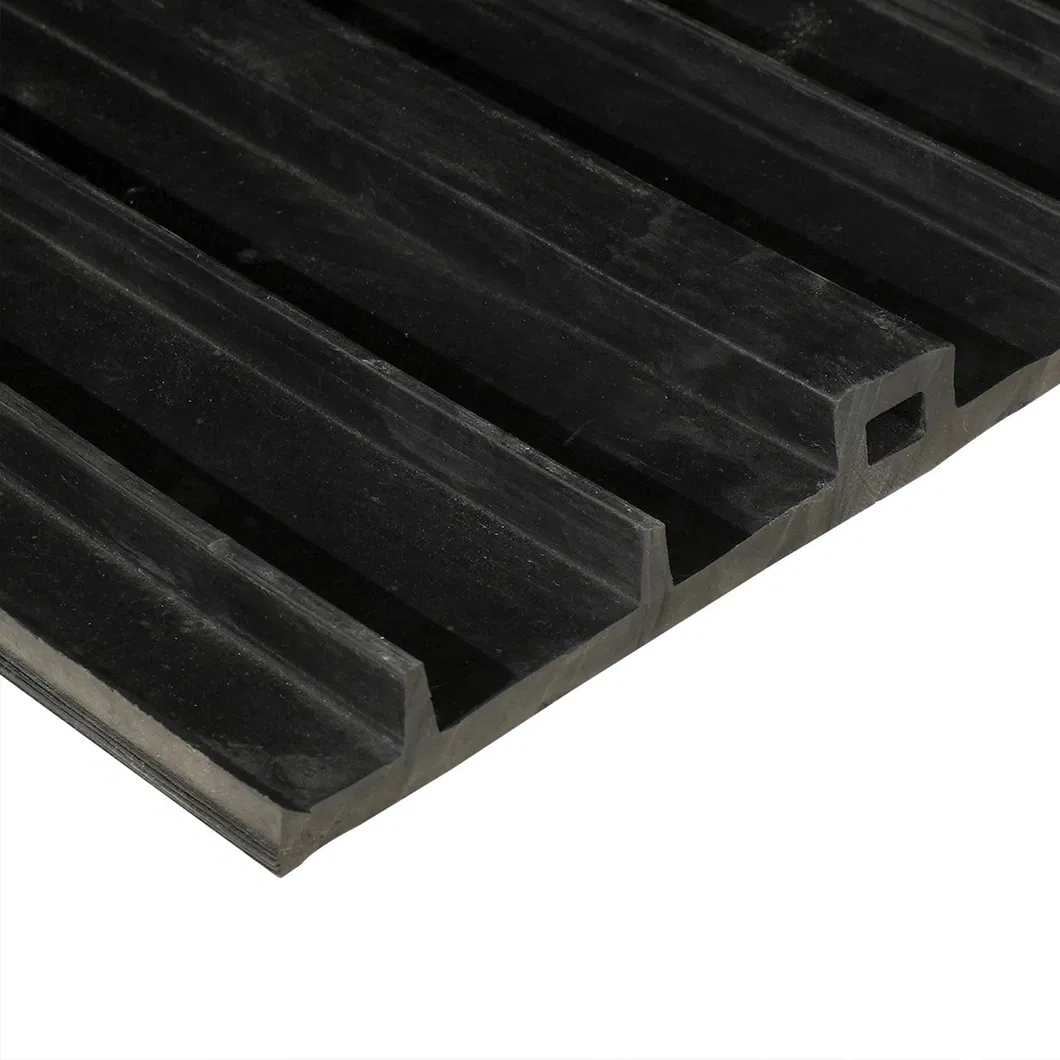
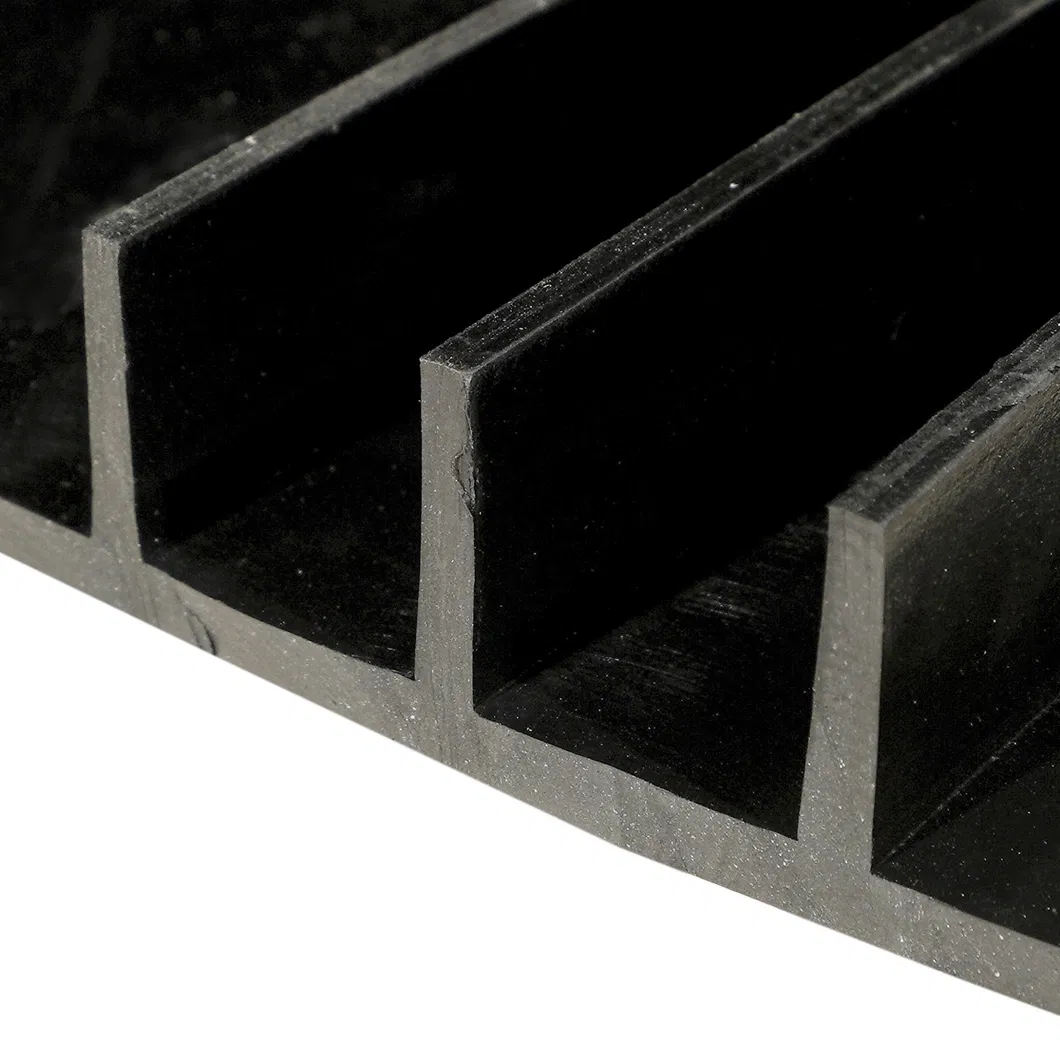
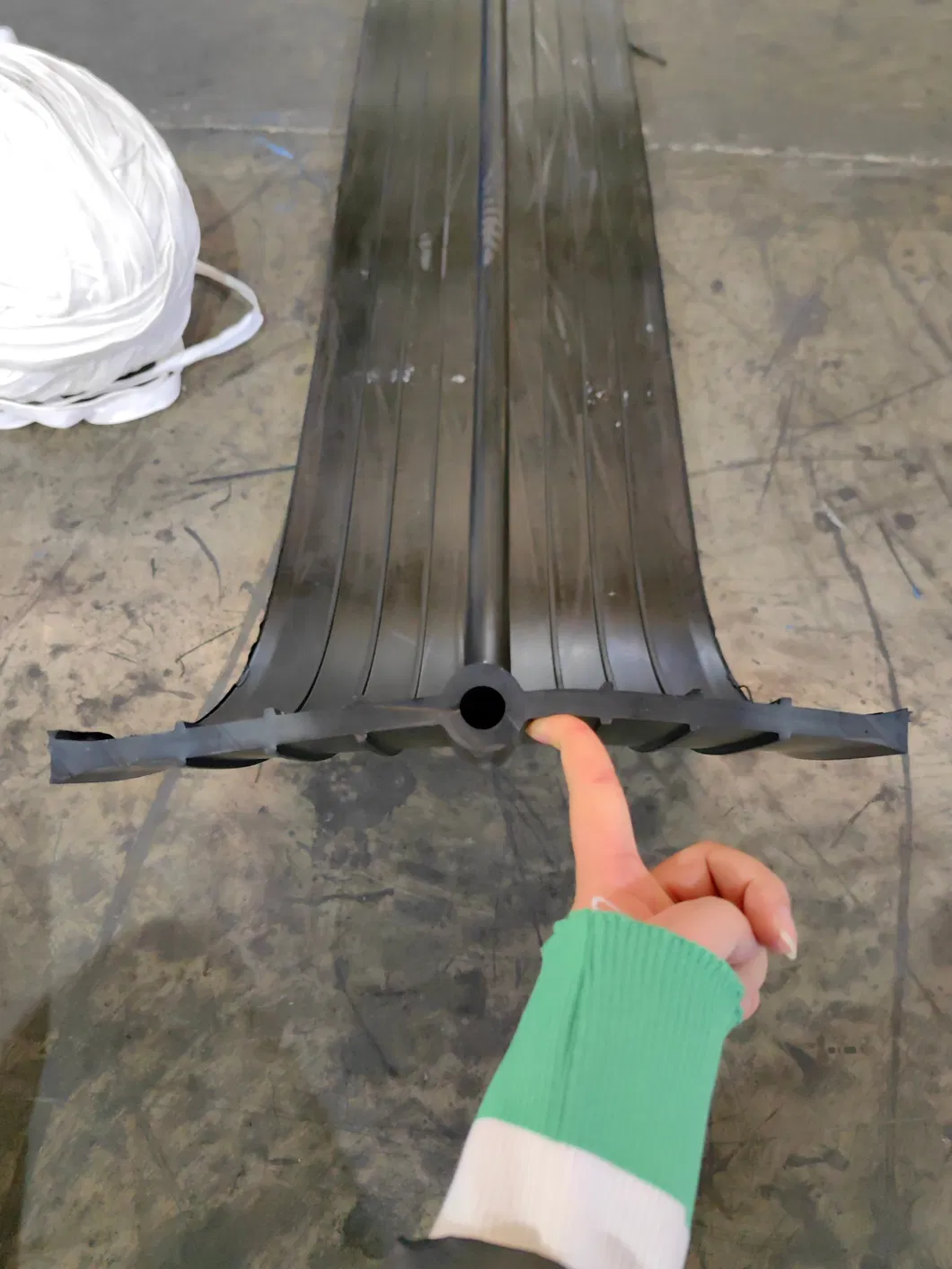
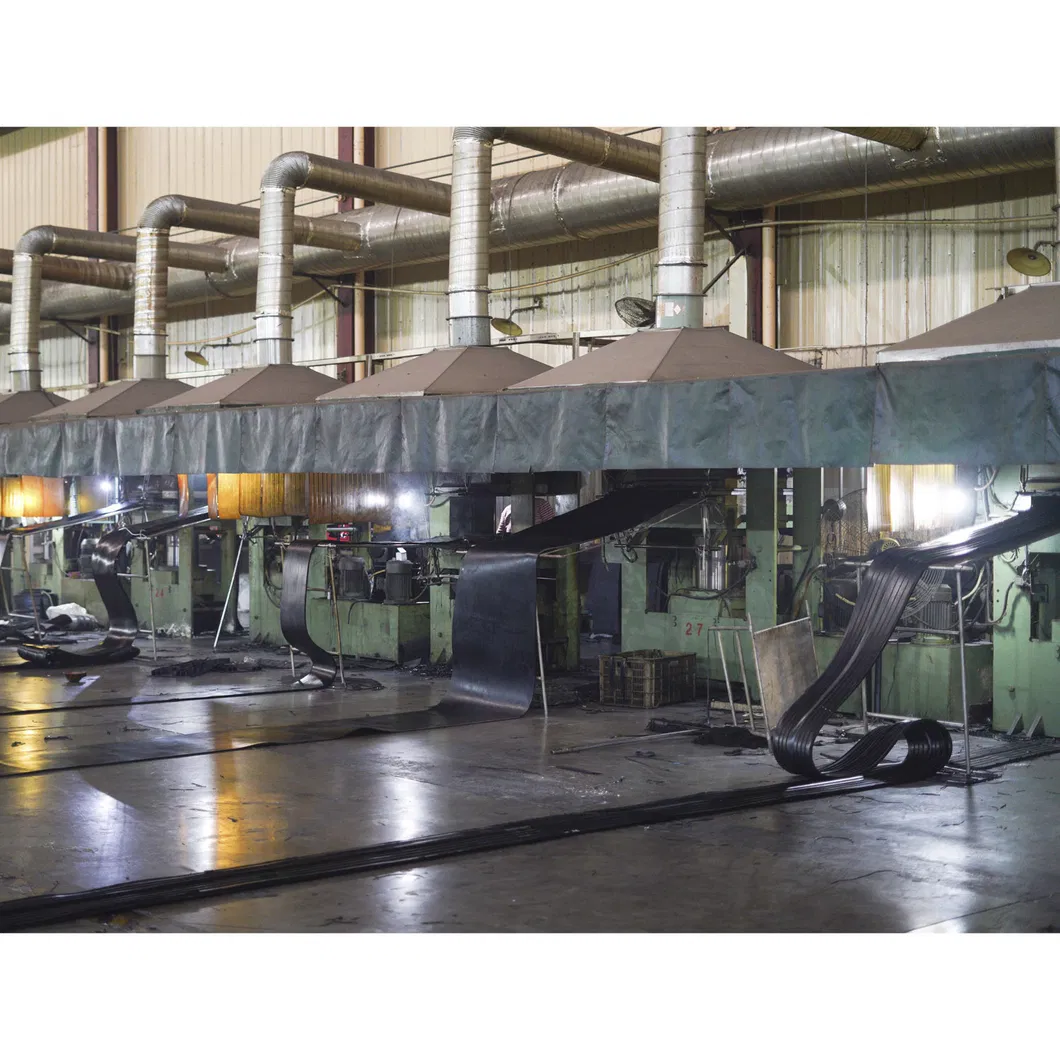
Rubber Waterstop is widely used in construction concrete joints. It is designed to meet waterproof standards of construction joints by increasing the combination areas of two concrete placements, effectively preventing water leakage.
⚙️ Technical Index
| Rubber Waterstop Standard: GB/T18173.2-2014 |
| No. |
Item |
B.S. |
JS |
JX |
| 1 | Hardness (Shore A) / degree | 60±5 | 60±5 | 40-70 |
| 2 | Tensile strength / MPa >= | 10 | 16 | 16 |
| 3 | Elongation at break / % >= | 380 | 400 | 400 |
| 4 | Compression set % | 70ºC×24h, 25% <= | 35 | 30 | 30 |
| 5 | Tear strength / (KN/m) >= | 30 | 30 | 20 |
| 6 | Brittleness temperature / ºC <= | -45 | -40 | -50 |
📏 Dimensions & Customization
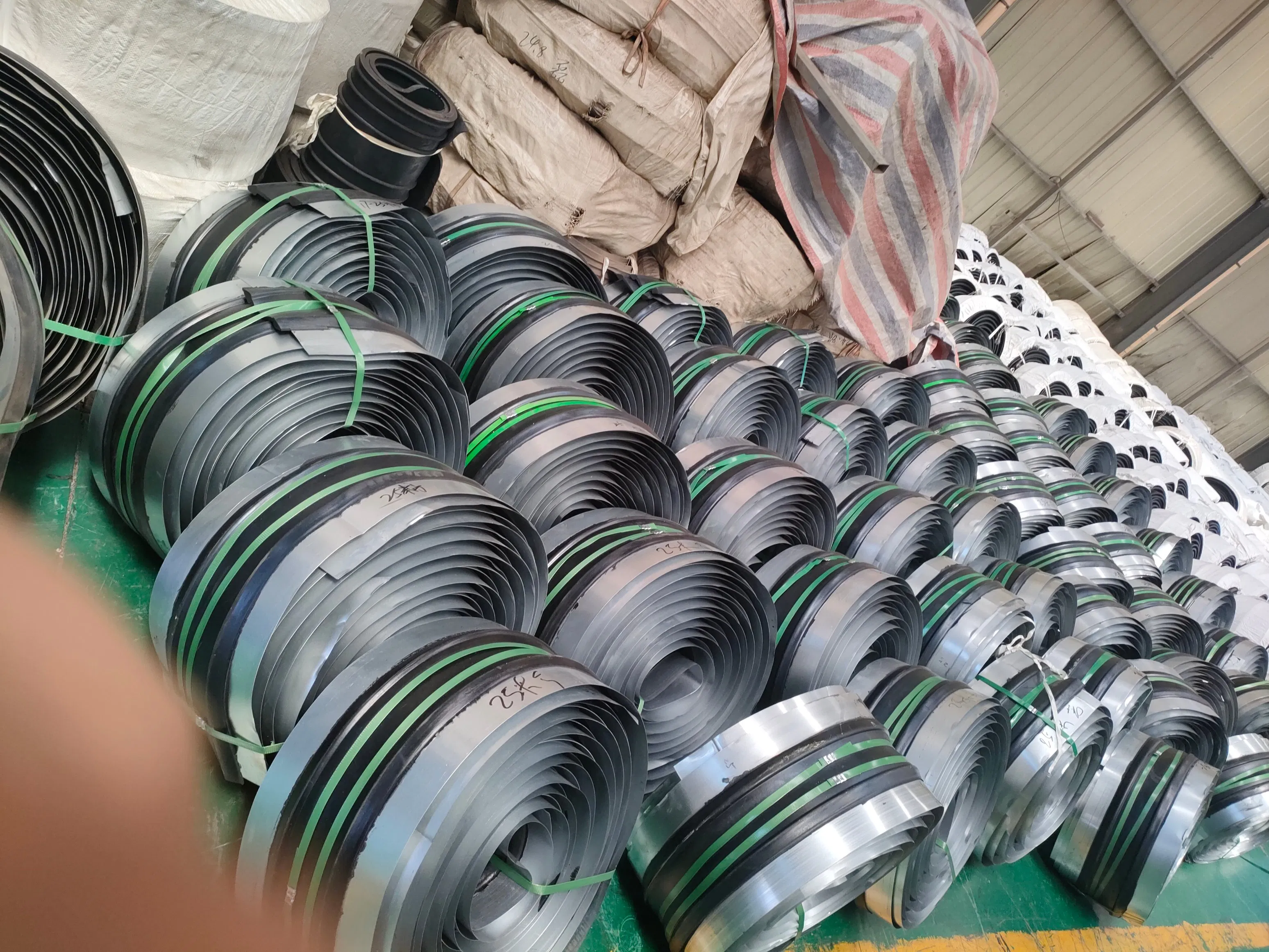
✔Length: Usually 20m or 25m per roll.
✔Width: 150mm to 500mm and other customized sizes.
✔Thickness: 3mm - 20mm available.
⭐ Key Features
★Abrasion & Water Resistance
★High Tensile & Tear Strength
★Anti-aging & Anti-corrosion
★Easy Installation & Customizable
🔍 Classification
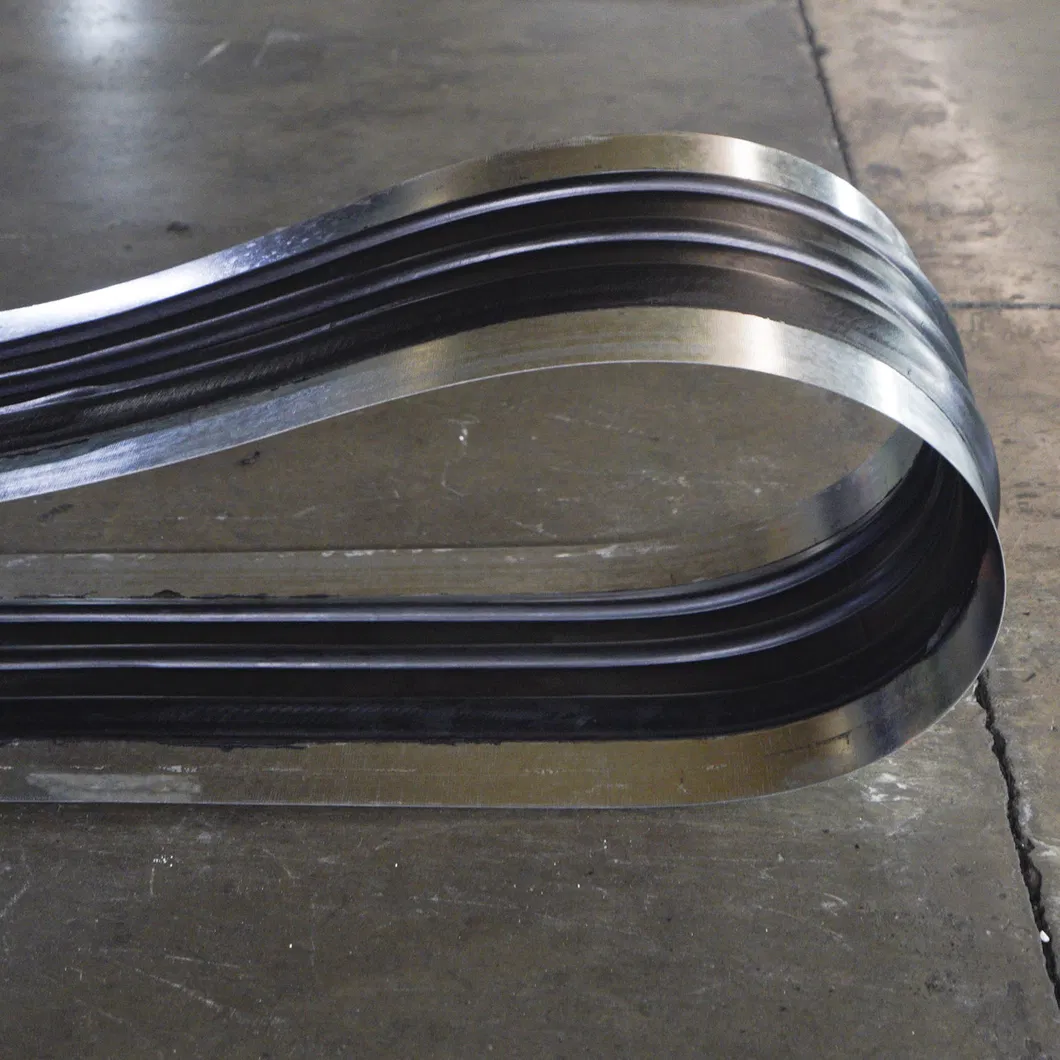
Classified into Buried (CB/CP) and Back Stick (EB/EP) types. Options include versions with or without center holes and steel-edged variations for enhanced bonding.
🏆 Core Advantages
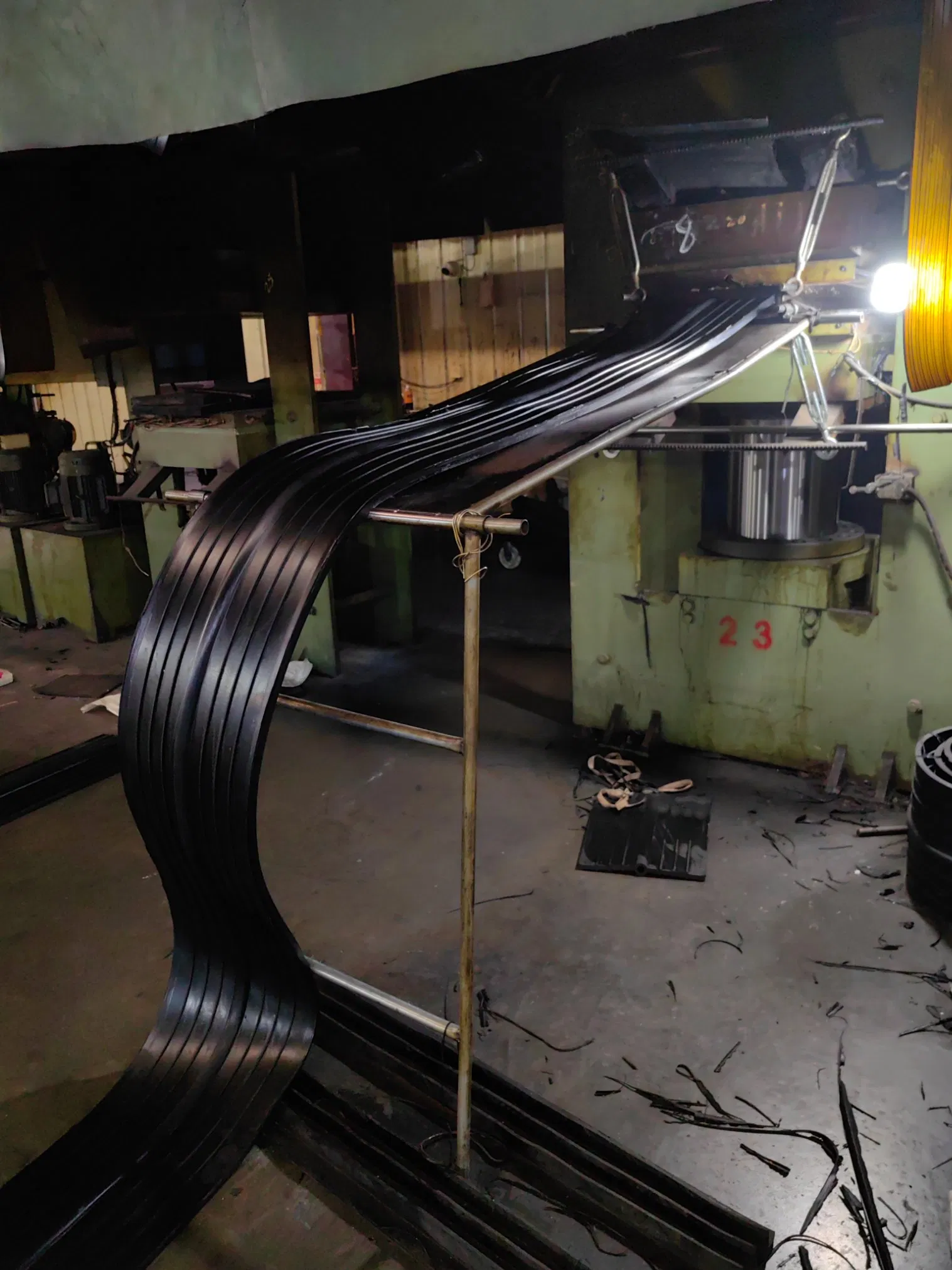
●10 years of professional production experience
●2,000 square meters R&D Center
●Complete quality control system
●Global export reach with OEM services
❓ Frequently Asked Questions (FAQ)
Q1: What are the main materials used in these waterstops?
A: The primary material is high-quality vulcanized rubber, which provides excellent elasticity and waterproof properties.
Q2: Can the size of the waterstop be customized?
A: Yes, we offer full OEM services and can customize the width, thickness, and length based on your specific construction requirements.
Q3: Is the material suitable for cold climates?
A: Absolutely. Our rubber waterstops have a brittleness temperature as low as -45ºC to -50ºC, making them ideal for low-temperature environments.
Q4: What is the difference between CB and CP types?
A: CB type waterstops have a center hole to accommodate movement in expansion joints, while CP types do not have a center hole.
Q5: How is the product typically packaged for transport?
A: They are usually packed in rolls (20m or 25m) in bags or as per specific customer requirements to ensure safe delivery.
 Shengchuang Building