Shengchuang Building
1 / 5
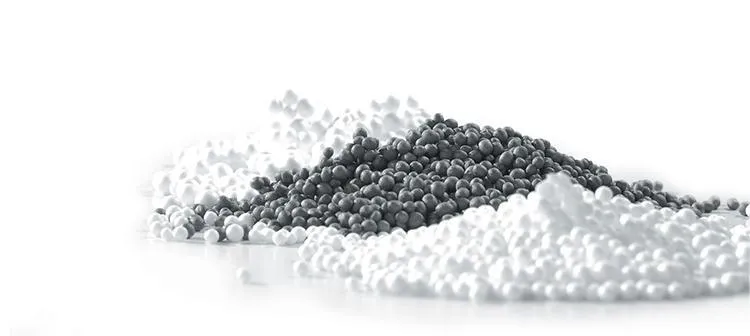
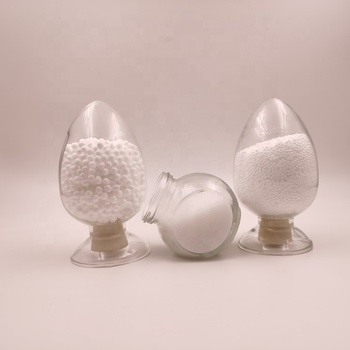
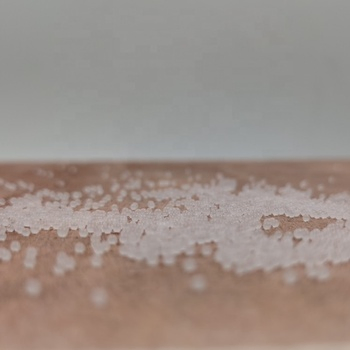
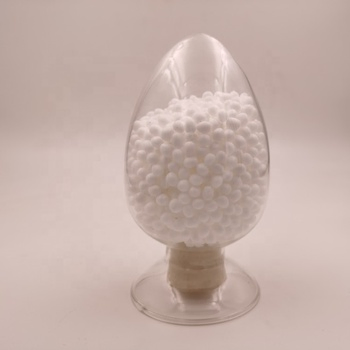
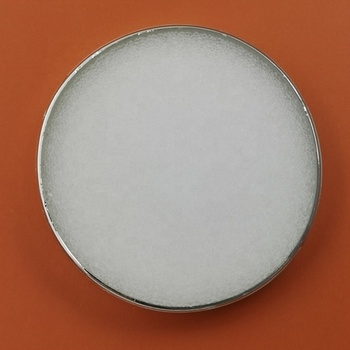
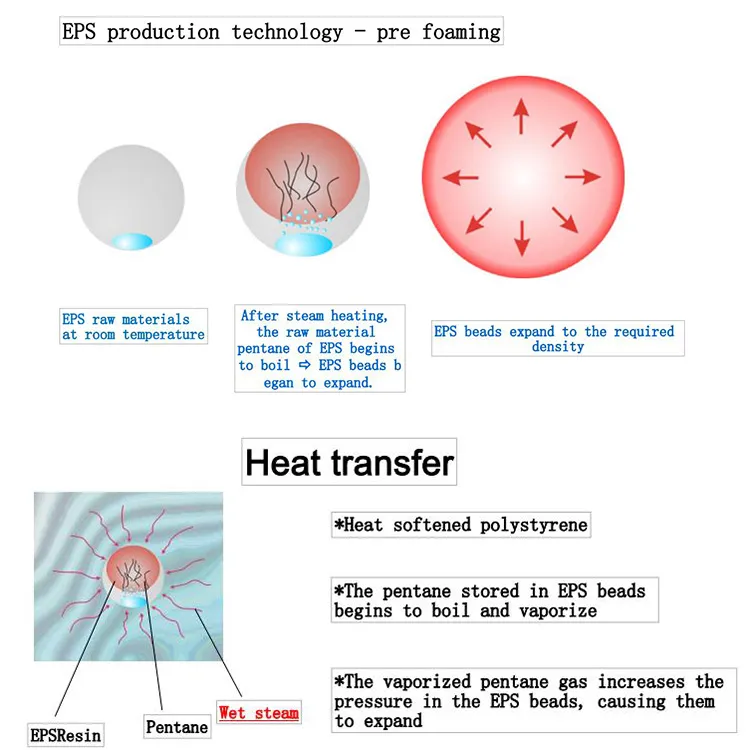
EPS (Expandable Polystyrene) is a lightweight, rigid, plastic foam insulation material produced from solid particles of polystyrene. Expansion is achieved by virtue of small amounts of pentane gas dissolved into the polystyrene base material during production. The gas expands under the action of heat, applied as steam, to form perfectly closed cells of EPS.
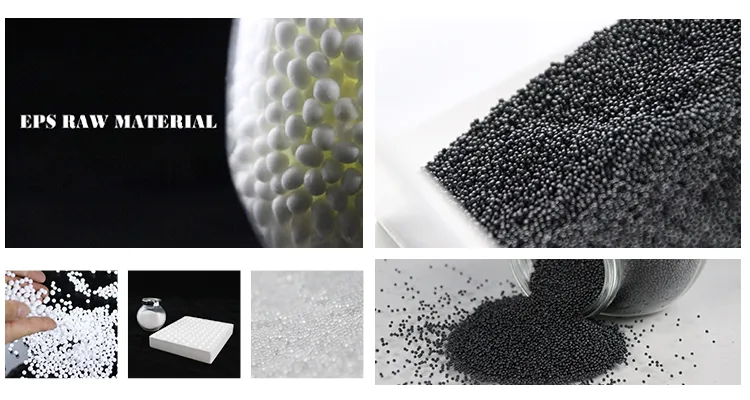

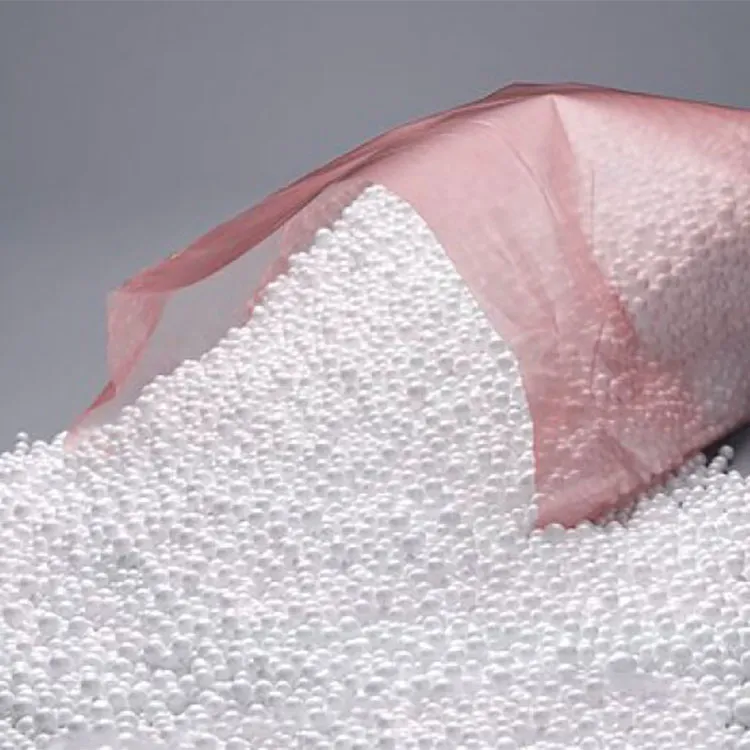
Confers excellent processing and product properties. Consistent raw beads and good fluidity of foamed bead. No harmful odors in pre-expansion and moulding. Characteristically rapid cooling in automatic molding machines and better performance with vacuum system. Uniform cell size, beautiful and flat surface appearance. Recommended 40-60 expansion ratio.
| Specification | Bead Size (mm) | Density (g/l) | Expandable Rate (Times) | Applications |
|---|---|---|---|---|
| A-103 | 1.00-1.60 | 11-14 | 70-90 | Block and low density products |
| A-104 | 0.85-1.25 | 12-15 | 65-85 | Products > 12mm thickness |
| A-105 | 0.70-1.00 | 13-17 | 60-75 | Medium density packing |
| A-106 | 0.50-0.80 | 14-18 | 55-70 | Products > 8mm thickness |
| A-107 | 0.40-0.60 | 15-18 | 50-65 | Products > 6mm thickness |
| Specification | Bead Size (mm) | Density (g/l) | Expandable Rate (Times) | Applications |
|---|---|---|---|---|
| C-102 | 1.40-2.00 | 14-20 | 50-70 | Block molding |
| C-103 | 1.00-1.60 | 15-22 | 45-65 | Big packaging products |
| C-104 | 0.85-1.25 | 15-25 | 40-65 | Block and packaging |
| C-105 | 0.70-1.00 | 17-25 | 40-60 | Medium density packing |
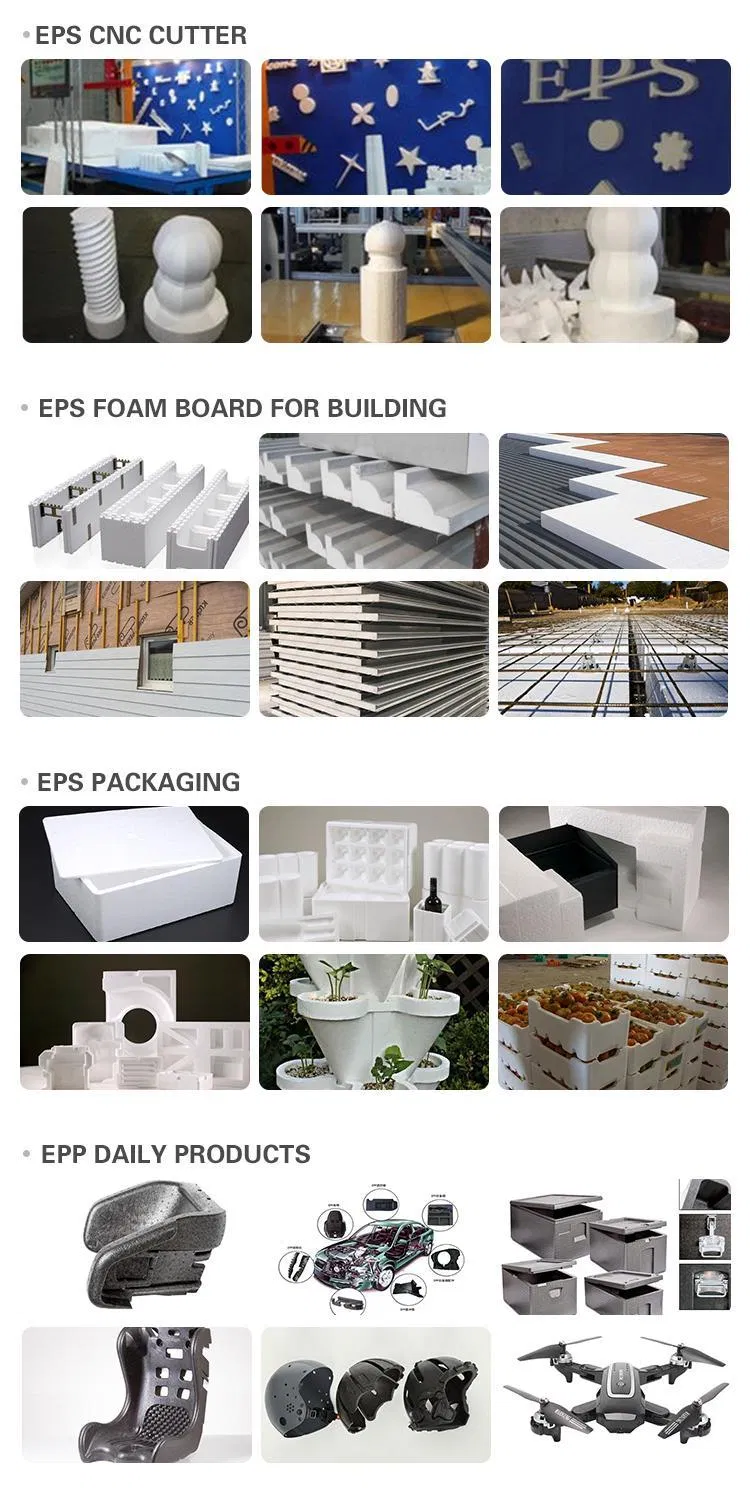
EPS is widely used in construction insulation, block molding, electronics packaging, and food-grade containers due to its excellent thermal properties and shock resistance.