Engineered for extreme performance, structural workability, and enhanced hydration control in tropical maritime environments.
Takamaka, situated in the southern region of Mahé in the Seychelles, represents a unique convergence of pristine ecological tourism development, coastal engineering, and aggressive tropical conditions. Local concrete mixing plants and construction firms deal with two critical environmental factors: high ambient temperatures accelerating cement hydration, and extreme marine exposure causing chloride-induced reinforcing steel corrosion.
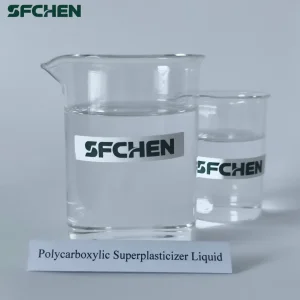
In this challenging climate, traditional concrete mixes without admixtures fail prematurely due to high water-to-binder ratios, leading to excessive capillary porosity. Utilizing advanced water-reducing agents—specifically, Polycarboxylate Superplasticizers (PCE) and Naphthalene-based superplasticizers—is vital. These chemical formulations allow engineers to lower the overall water content by up to 40% while preserving slump flow and workability, directly mitigating the risk of micro-cracking and sulfate infiltration.
By prioritizing state-of-the-art cement dispersants, developers in Takamaka can establish highly durable foundations, coastal retention structures, and resort complexes designed to withstand centuries of maritime weathering.
Consult Our Technical Engineers
How our polymer technologies modify the rheology of cementitious matrices at a molecular level.
Polycarboxylate Ether (PCE) molecules feature a highly carboxylated backbone with long polyethylene glycol (PEG) side chains. When adsorbed onto positive cement particles, these side chains push the particles apart physically (steric repulsion), delivering high fluidizing performance at minimal dosages.
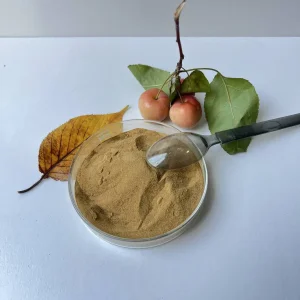
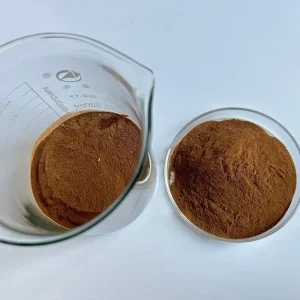
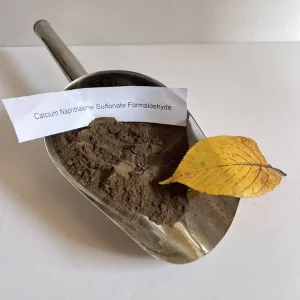
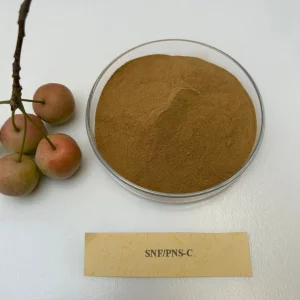
Naphthalene-based options (SNF) generate high negative charges on cement grains. This electrostatic repulsion disperses cement agglomerates, releasing entrapped mixing water and enhancing the concrete's early-age compressive strength and density.
In the tropical environment of Takamaka, concrete sets quickly. Our admixtures delay initial setting times without impacting ultimate strength, preventing cold joints during placement under hot conditions.
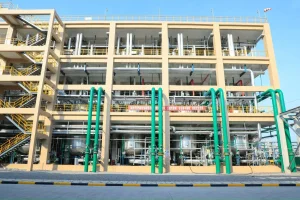
We are a national high-tech enterprise dedicated to the specialized construction, bonding, reinforcement, and protection of concrete structures since 2008. We hold numerous patents covering bridge, tunnel, concrete structure reinforcement systems, and repair technologies.
Our comprehensive product portfolio includes concrete admixtures, specialized mortars/grouts, epoxy resins, repair materials, structural strengthening systems, and innovative building chemistry. Our solutions are designed to satisfy international standards, ensuring reliability and high performance for structural concrete projects across the globe, including the demanding climate of Takamaka.
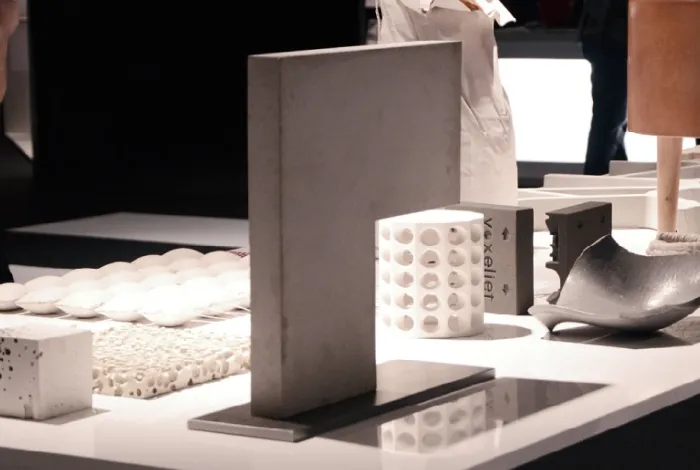
Ultra-High Performance Concrete (UHPC) cladding panels offer an advanced solution for exterior building envelopes. UHPC is a specialized concrete formulation engineered for exceptional compressive strength, flexural ductility, and resistance to environmental degradation.
Leveraging high-efficiency polycarboxylate water reducers, UHPC achieves a dense, low-permeability matrix. This configuration prevents the penetration of moisture, carbon dioxide, and sea salts, making it highly suitable for coastal environments like Takamaka, where high salinity levels accelerate conventional concrete degradation. Integrating these panels delivers long-term structural protection along with modern design versatility.
Explore PCE for UHPCThese select formulations target specific engineering requirements: extended slump retention, early-age demolding strength, and high chemical resistance.
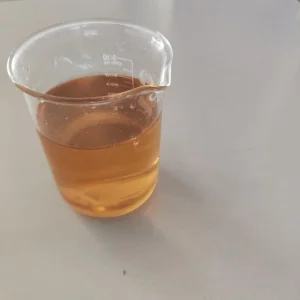
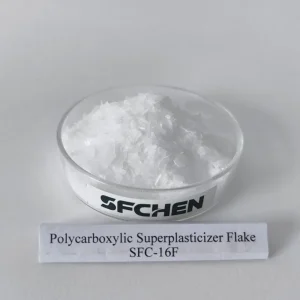
Reliable international logistics network delivering raw chemical components directly to the Port of Victoria, Mahé, Seychelles.
Transporting water-reducing concrete admixtures to tropical islands requires specialized packaging. High humidity and temperature fluctuations during sea transit can cause powder products to clump and liquid alternatives to degrade.
Our factory processes dry powder ingredients utilizing multi-layer moisture-proof valve bags with inner PE liners. Liquid shipments use sealed IBC tanks or heavy-duty drums with UV inhibitors to maintain chemical stability. We coordinate directly with regional distributors to streamline customs clearance at the Port of Victoria, ensuring reliable supply lines to job sites in Takamaka.
Every production batch undergoes strict quality control. Using advanced chromatographic analysis and cement paste flowability tests, we ensure consistent batch-to-batch performance.
For custom concrete designs in Takamaka using local aggregates and volcanic sands, our labs can adjust the polymer's side-chain density to optimize performance under hot-weather placements.
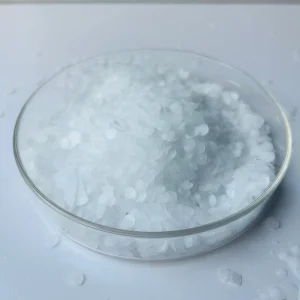
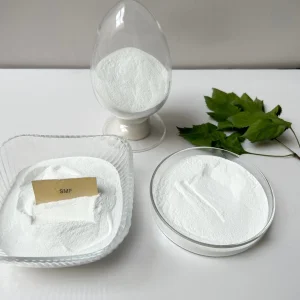
Browse our comprehensive selection of high-range, mid-range, and specialized concrete chemical admixtures.
Expert answers regarding performance, storage, compatibility, and design mix optimization.
 Shengchuang Building