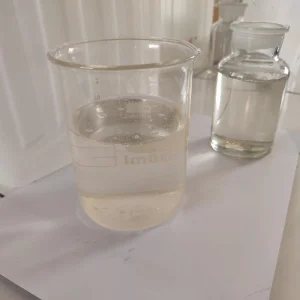
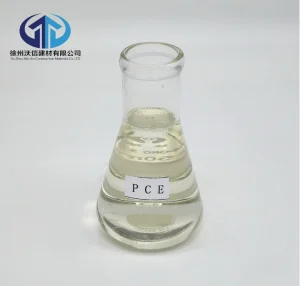
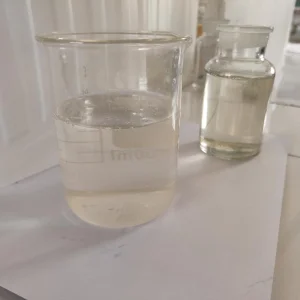
Engineered for high water reduction, exceptional slump retention, and high early strength under West African climatic conditions.
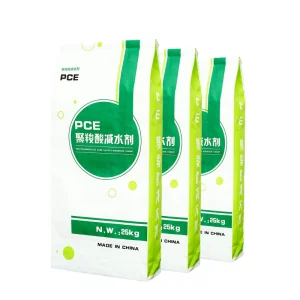
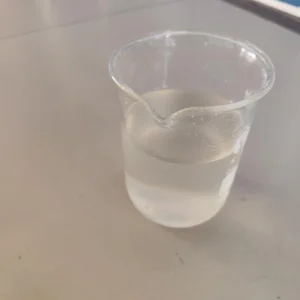
Water Reduction Capability
Extended Slump Retention
Early Strength Boost (3d)
Compliance with ASTM C494 Type F
Senegal is currently experiencing a historic transformation in its physical infrastructure. Led by initiatives such as the Plan Sénégal Émergent (PSE), the nation is investing heavily in massive logistics, industrial, and urban development projects. From the expansion of the Port of Dakar (Port Autonome de Dakar) and the strategic construction of the new deepwater port at Ndayane, to the extension of the Regional Express Train (TER) and the Bus Rapid Transit (BRT) routes, the demand for high-strength, high-durability concrete has reached unprecedented levels.
However, Senegal’s tropical Sahelian climate presents severe challenges to concrete placement. With ambient temperatures frequently exceeding 38°C in regions like Thiès, Diourbel, and inland Matam, conventional concrete suffers from rapid hydration, excessive slump loss, and early setting. This requires the use of advanced chemical admixtures to maintain workability and ensure structural integrity over long transport and pour times.
Our custom-formulated Polycarboxylate Superplasticizer (PCE) admixtures are engineered specifically to combat these environmental challenges. By providing outstanding steric hindrance stabilization, our chemical solutions allow concrete producers in Senegal to achieve excellent flowability, long transport windows, and precise control over setting times, all while using localized cement types (such as CEM II/A-L and CEM II/B-M common in West Africa).
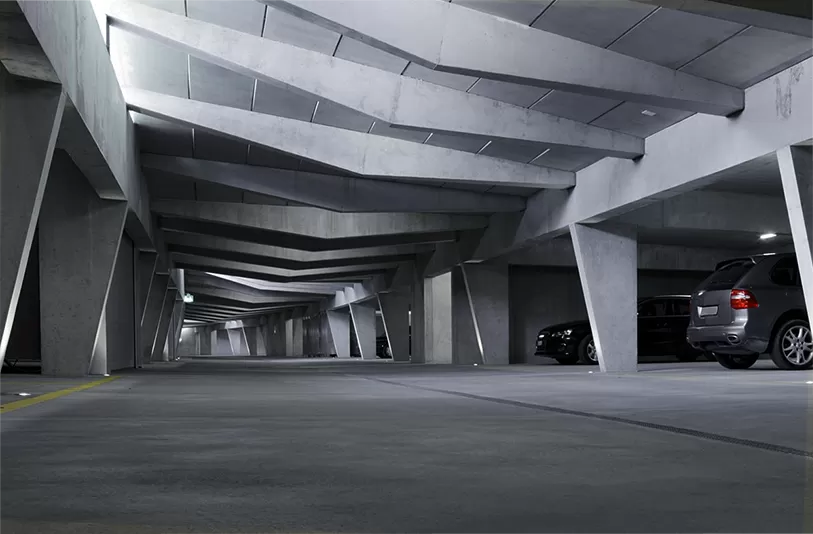
Minimizes early hydration heat peak, reducing micro-cracking risks in thick foundation rafts and major infrastructure slabs across Senegal.
Enhances concrete density and lowers permeability, protecting steel rebar from chloride corrosion in coastal zones like Dakar and Saint-Louis.
Optimized for compatibility with regional West African cements, including Sococim, Dangote Senegal, and Ciments du Sahel (CDS).
Reliable logistics, consistent quality, and customized shipping configurations for Senegalese contractors and concrete producers.
Procuring raw chemical admixtures in West Africa requires a partner who understands the intricacies of maritime logistics and port clearance. We specialize in supply chains routed directly to the Port of Dakar, offering flexible product packaging types tailored for different application demands:
Every single batch of our polycarboxylate ether is manufactured under strict quality controls (ISO 9001 and ISO 14001 certified). We provide full chemical analysis, certificate of analysis (COA), safety data sheets (SDS), and technical datasheets (TDS) for customs clearance and quality verification by Senegalese oversight agencies like Bureau Veritas or APIX.
Traditional concrete water reducers, such as naphthalene sulfonate formaldehyde (SNF) or lignosulfonates, operate primarily on the principle of electrostatic repulsion. The concrete particles are negatively charged, pushing them apart. However, in hot Sahelian climates, this effect degrades rapidly, leading to fast slump loss.
Modern Polycarboxylate Ether (PCE) represents a major technical upgrade. It functions through a combination of electrostatic repulsion and steric hindrance. The long polyethylene glycol (PEG) side chains extend into the aqueous phase, physically preventing cement particles from agglomerating even as early hydration begins. This structural mechanism allows for:
Depending on your specific project demands in Senegal, we adjust the molecular ratio of our copolymerization polymers:
Our technological expertise extends beyond chemical admixtures into advanced structural composites. As a leading material developer, we design and manufacture high-performance facade cladding systems that utilize our proprietary PCE formulations.
UHPC Cladding Panels (Ultra-High Performance Concrete) represent a major step forward in architectural durability. Characterized by a high packing density matrix, UHPC delivers compressive strengths exceeding 120 MPa, combined with exceptional flexural strength and long-term durability. By utilizing specialized PCE formulations, we can achieve low water-binder ratios (below 0.20) while maintaining the high fluidity required for intricate panel designs and detailed surfaces.
These panels are ideal for Senegal’s harsh coastal environments. The low permeability of our UHPC panels prevents chloride ion ingress and windborne salt erosion, offering long-term architectural protection for coastal facades in Dakar, Saint-Louis, and the new Diamniadio Lake City developments.
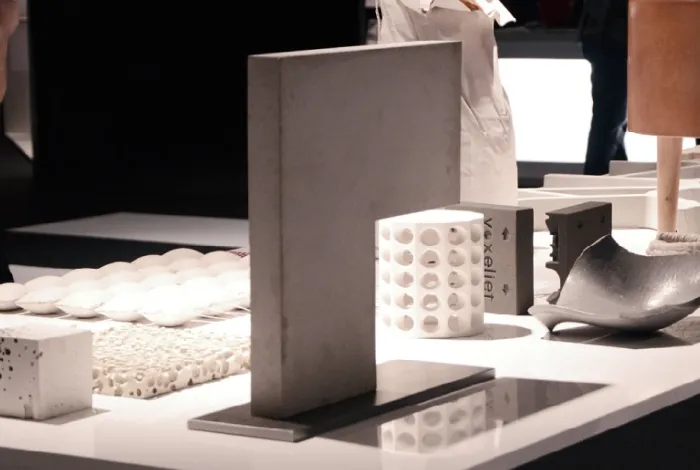
Since 2008, we have operated as a national high-tech enterprise dedicated to concrete chemistry, structural strengthening, bonding, and protective coatings. We hold numerous patents covering bridge, tunnel, concrete reinforcement, and advanced concrete repair technologies. By integrating chemical synthesis with structural application expertise, we support building professionals from chemical selection to on-site concrete formulation.
Explore Shengchuang Concrete Hot Products — We offer a comprehensive range of products including concrete admixtures, specialized mortars/grouts, epoxy resins, concrete repair materials, structural strengthening systems, and innovative construction solutions.
Explore our export-ready chemical compounds, synthesized to meet strict international standards and optimized for high-performance concrete placement.
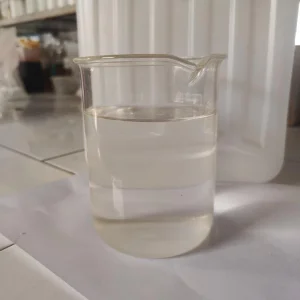
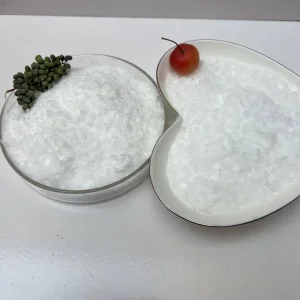
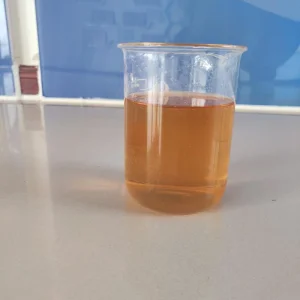
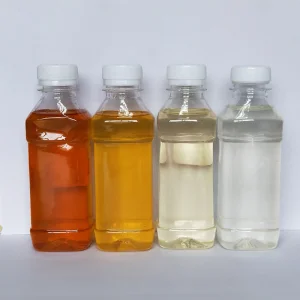
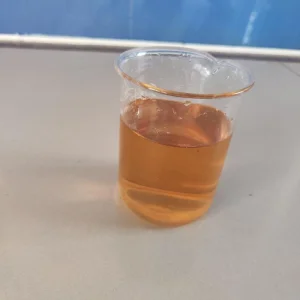
For chemical compound formulators in Senegal, we supply premium quality synthesis monomers to control copolymerization on-site.
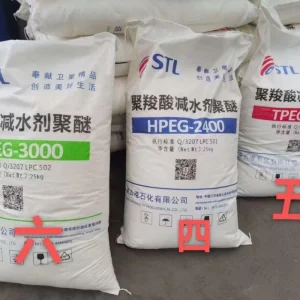
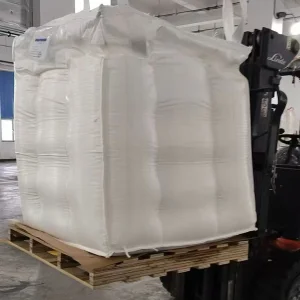
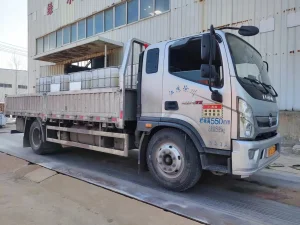
Detailed chemical, geological, and logistical support answers provided by our senior chemical engineers.
Under Senegal's high ambient temperatures (+35°C to +40°C), traditional SNF (Naphthalene) and Lignosulfonate admixtures lose workability rapidly (within 30-45 minutes). This triggers concrete truck operators to add water on-site, compromising the water-to-cement ratio and structural strength. PCE utilizes steric hindrance via polyethylene glycol (PEG) side-chains to keep cement particles dispersed for up to 3 hours without retarders, achieving over 40% water reduction.
Dakar's coastal location exposes reinforced concrete to marine chlorides, which cause corrosion in structural rebar. PCE creates a dense, low-permeability concrete matrix. By maximizing water reduction, it refines the concrete's capillary structure and significantly reduces porous pathways, slowing down the penetration of chlorides and sulfates.
For local cements (such as CEM II 32.5N, 42.5R, or Portland cements from Ciments du Sahel and Dangote Senegal), the standard liquid dosage ranges between 0.4% and 1.5% by weight of cementitious material. It is recommended to perform trial mixes on-site with local materials to verify exact compatibility, flow parameters, and hydration curves.
Our liquid PCE (such as PCE mother liquor) has a shelf life of approximately 12 months when stored in sealed IBC containers away from direct solar radiation. Our dry PCE powder, packed in moisture-resistant composite bags, remains stable for up to 24 months, provided it is kept dry and stored in a well-ventilated warehouse below 35°C.
Yes, our dry PCE powders are formulated specifically for dry-mix products like self-leveling underlayments, high-strength grouts, tile adhesives, and precast concrete elements. They disperse rapidly upon adding water, delivering high workability and early-strength development.
Get in touch with our technical sales division to request product samples, test certificates, and a custom freight quote directly to the Dakar Port.
Send Inquiry Now Shengchuang Building