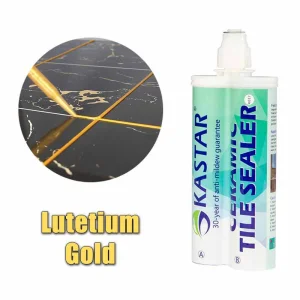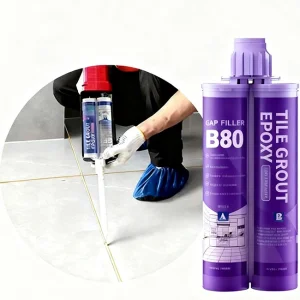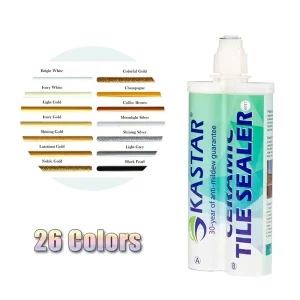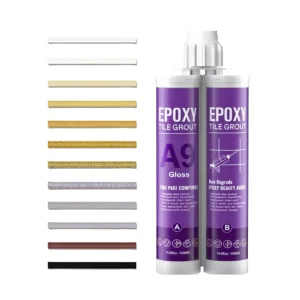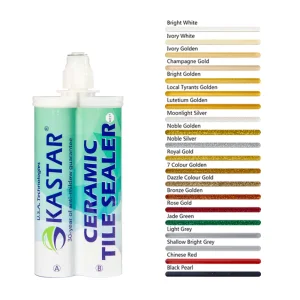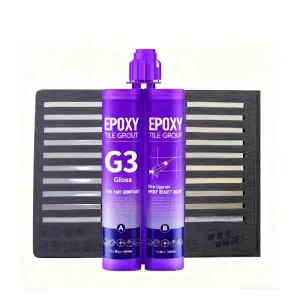
Specialized dual-component epoxy for high-traffic environments in Dar es Salaam.
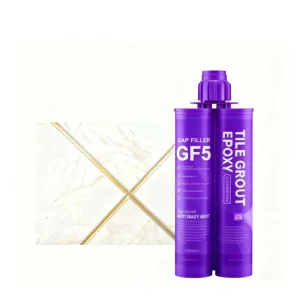
Rapid curing formula designed for Tanzania's warm climate, ensuring minimal downtime.
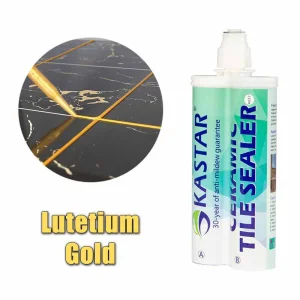
Waterproof and chemical-resistant solutions for domestic and industrial hygiene.
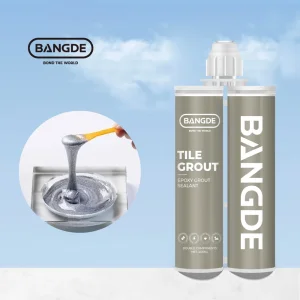
Premium aesthetic finish combined with structural integrity for commercial resorts.
As Tanzania continues its rapid trajectory toward middle-income status, the demand for robust, high-precision construction materials has never been higher. Projects such as the Standard Gauge Railway (SGR), the expansion of the Port of Dar es Salaam, and the surging mining activities in the Lake Victoria region require materials that transcend traditional mortar. This is where Non-Shrink Grout—specifically high-performance epoxy and cementitious variants—becomes the silent hero of structural integrity.
Tanzania's construction sector contributes over 13% to the national GDP. However, the tropical climate and seismic characteristics of the East African Rift Valley pose unique engineering challenges. Traditional grout often shrinks during the curing process, creating "micro-gaps" that lead to machine vibration, water ingress, and structural fatigue. Our role as a premier Non-Shrink Grout Exporter to Tanzania focuses on eliminating these vulnerabilities through advanced "controlled expansion" technology.
From the humid coastal conditions of Tanga to the dry highlands of Arusha, our grouting solutions are tailored for:
As a leading national high-tech enterprise, Shengchuang Concrete embodies the "Chinese Factory Advantage"—a blend of massive scale, technological innovation, and cost-efficiency. Our partnership with Tanzanian contractors goes beyond simple supply; we provide a holistic growth engine for local infrastructure.
Since 2008, we have been dedicated to specialized concrete construction. Our portfolio includes numerous patents in bridge and tunnel reinforcement. For Tanzanian engineers, this means access to products that have been tested in the world's most demanding environments, from the Tibetan plateau to the humid South China Sea.
Unlike standard grouts, our Non-Shrink formulations utilize a dual-stage expansion mechanism. In the plastic state, it expands to counteract early settlement; in the hardened state, it compensates for chemical shrinkage. This ensures 100% surface contact between the foundation and the machinery baseplate—a critical requirement for precision manufacturing units in Tanzania's Export Processing Zones (EPZ).
We understand the logistics of shipping to East Africa. Our packaging is designed for "Tropical Storage," utilizing moisture-proof barriers to prevent pre-hydration during the sea voyage to the Port of Dar es Salaam. We offer "Just-in-Time" export schedules to align with the critical path of Tanzanian mega-projects.
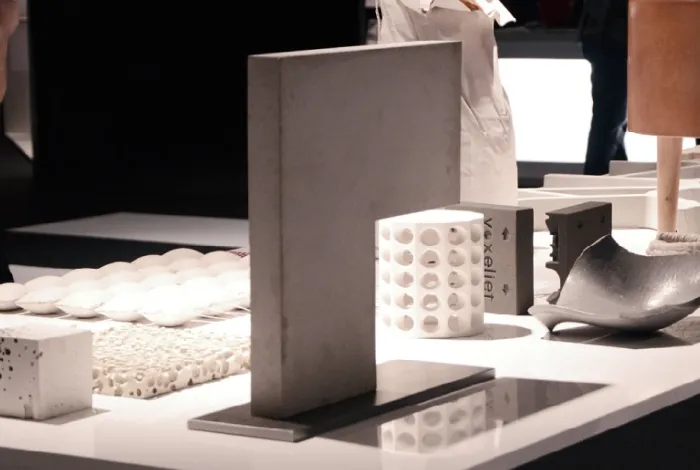
Ultra-High Performance Concrete (UHPC) represents the pinnacle of concrete technology. For modern architectural landmarks in Dodoma and Dar es Salaam, UHPC cladding panels offer unmatched durability and aesthetic flexibility. With compressive strengths exceeding 120MPa, these panels are virtually impermeable, making them perfect for coastal structures facing high salinity.
Learn More About UHPCThe global construction chemicals market is shifting toward "Sustainability" and "Digital Integration." In Tanzania, this manifests as a need for materials that reduce the carbon footprint while extending the lifecycle of the asset.
Integration of sensors within the grout bed to monitor real-time stress and vibration in mining equipment. Our R&D department is currently exploring "Self-Sensing" grouts that can alert engineers in Tanzania to structural anomalies before failure occurs.
Reducing VOC emissions in epoxy grouts is vital for indoor air quality in residential developments like the Kigamboni Satellite City. Our latest range of non-shrink grouts utilizes recycled pozzolanic materials without compromising on strength.
Case Study: Tanzania Bridge Strengthening
Using our high-strength non-shrink epoxy grout, a major bridge structure in the Pwani region was reinforced, increasing its load-bearing capacity by 25% while reducing maintenance costs by 40% over a five-year projection.
1. Why is "Non-Shrink" critical for Tanzania's industrial machines?
Tanzania's growing manufacturing sector relies on precision alignment. Standard cement shrinks, leaving a gap between the machine base and foundation. This causes vibration, which destroys bearings. Non-shrink grout ensures 100% bearing area contact, extending machine life.
2. Can your grout handle the heat and humidity of Dar es Salaam?
Yes. Our formulations are specifically tested for tropical environments. We adjust the "set-time" of our epoxy and cementitious grouts to ensure workability even in temperatures exceeding 35°C, common in coastal Tanzania.
3. What is the difference between epoxy and cementitious non-shrink grout?
Cementitious grout is ideal for static loads and general structural filling. Epoxy grout offers much higher compressive strength (over 100 MPa) and superior chemical resistance, making it the choice for heavy mining equipment and chemical processing plants in Mwanza or Arusha.
4. How do you ensure the quality of grout during the long shipping process to Tanzania?
We use vacuum-sealed, multi-layer moisture-proof packaging. Each batch undergoes a strict quality control check before leaving our factory, and we provide a Certificate of Analysis (COA) for every shipment sent to Dar es Salaam.
5. Do you provide on-site technical guidance for Tanzanian projects?
Through our digital "Expert-on-Demand" service, we provide video consultations and detailed application manuals tailored to the specific humidity and temperature of your project site in Tanzania.
Connect with our technical engineers to discuss your Tanzanian infrastructure or industrial project. We provide customized non-shrink grout solutions tailored to your specific site conditions.
Send Inquiry Now Shengchuang Building