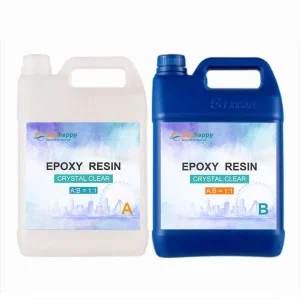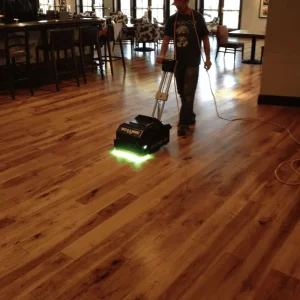
Standard bisphenol A diglycidyl ether (BADGE) based epoxy resins are historically prone to yellowing under outdoor exposures. The root of this instability lies in the presence of aromatic ether links within their polymer backbone. When exposed to ultraviolet (UV) radiation (specifically wavelengths in the 290–350 nm range), these chemical structures undergo photo-oxidative degradation. The process splits the molecule, leading to the creation of highly colored quinoid radicals (chromophores) which visually manifest as yellow, amber, or brown discoloration. In addition to aesthetic loss, this mechanical breakdown results in brittleness, micro-fracturing, and loss of tensile and adhesive strength.
For high-UV, equatorial environments such as São Tomé and Príncipe, normal industrial formulations fail rapidly. Our technical team addresses this using three main architectural mechanisms: molecular engineering to synthesize hydrogenated bisphenol-A or cycloaliphatic epoxy backbones, incorporating proprietary UV Absorbers (UVA) to dissipate destructive energy into safe thermal radiation, and blending Hindered Amine Light Stabilizers (HALS) to scavenge free radicals generated during solar breakdown. The result is a highly transparent resin matrix that sustains optical clarity, mechanical integrity, and surface gloss for years.
Using aliphatic carbon chains instead of benzene rings prevents aromatic quinoid rearrangement, yielding up to 90% higher natural yellowing resistance.
Synergistic blending of Benzotriazole UV absorbers with low-volatility HALS blocks radical propagation, preventing surface degradation and micro-cracking.
The Democratic Republic of São Tomé and Príncipe features unique environmental factors: an equatorial ocean climate, high relative humidity (consistently around 80% to 90%), intense UV levels, and pervasive coastal salt fog. In coastal structures, infrastructure, and handicraft sectors, standard epoxy coatings undergo fast hydrolytic and photolytic aging. We specialize in supply chains that cater to these specific conditions.
Local fishing and tourism operations in São Tomé, Santana, and Neves demand marine laminates that endure high salinity and direct tropical sunlight without chalking or weakening structural properties.
High-end structural reinforcement coatings, concrete sealants, and exterior wooden paneling on premium resorts require UV-cured low-yellowing sealers to prevent degradation under intense island heat.
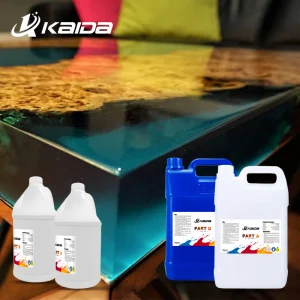
Encapsulating endemic dark timbers for local woodwork and export crafts depends on absolute clarity and bubble-free formulations to highlight grain features without any yellowing cast.
Compare our specialized low-yellowing formulations optimized for tropical exports and construction systems.
| Resin Type | Yellowing Index (YI) | UV Resistance Level | Tensile Strength (MPa) | Primary Industrial Applications |
|---|---|---|---|---|
| Aliphatic Acrylic/Epoxy UV Resin | < 1.2 (1000h QUV test) | Ultra-High (Class A) | 72 - 80 | Nail art coatings, metal/paper varnishes, high-gloss clear wood sealers |
| Modified Epoxy Acrylate | < 2.5 (500h QUV test) | High (Class B) | 65 - 75 | Low-shrinkage structural inks, screen inks, architectural protective layers |
| Cycloaliphatic Liquid Casting | < 1.5 (800h QUV test) | Ultra-High (Class A) | 85 - 90 | Large timber river tables, composite encapsulation, marine structures |
| Fast-Curing UV Wood Coating Resin | < 2.0 (600h QUV test) | High (Class B) | 70 - 78 | High-throughput industrial furniture manufacturing, profile wraps |
We are a high-tech enterprise dedicated to special concrete structure construction, bonding, reinforcement, and protection since 2008. We hold numerous patents covering bridge, tunnel, concrete structure reinforcement systems, and concrete repair technologies. Our specialized epoxy resins serve as the binder matrix for structural grouting and ultra-durable cladding systems.
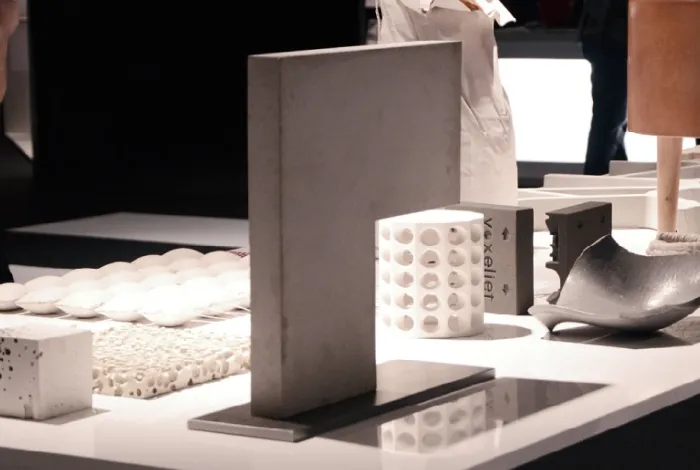
Our UHPC (Ultra-High Performance Concrete) Cladding Panels are optimized to withstand marine salt-spray and heavy wind loads in island environments like São Tomé and Príncipe. By sealing porous materials with low-yellowing chemical barriers, we prevent calcium carbonate leaching and color shifts, maintaining structural and architectural aesthetics under demanding conditions.
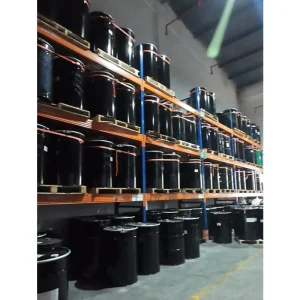
Purchasing directly from our factory in China provides significant supply chain, quality, and cost advantages. With a production capacity exceeding 50,000 metric tons annually, our manufacturing lines maintain precise molecular weight distributions and consistent raw materials, ensuring batch-to-batch consistency.
We tailor viscosity, curing times, and glass transition temperatures (Tg) to fit local workshop conditions and application setups.
Optimized freight routes connect Chinese main ports (Ningbo/Shanghai) directly to West African hubs and São Tomé, ensuring safe and reliable shipping.
Our raw material integration insulates our customers from global chemical price fluctuations, keeping prices stable year-round.
Browse our full selection of low-yellowing formulations, custom curing chemistries, and specialized construction admixtures.
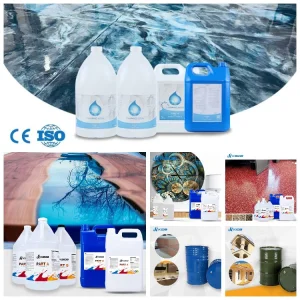
Additionally looking for specialized structural materials? UV Resistance Clear Resin for Molds | Fast-Curing UV Inks Resin
 Shengchuang Building