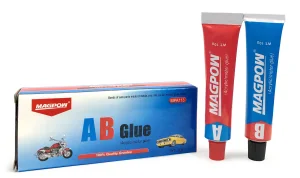
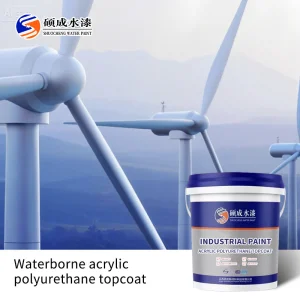
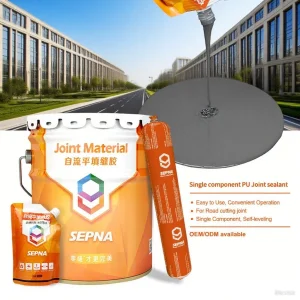
High-performance polymer-modified grouts, structural adhesives, and protective coatings tailored for high-humidity, marine, and urban infrastructure restoration.

Addressing structural degradation, chloride-induced corrosion, and humidity-driven deterioration in West African coastal regions.
Civil infrastructure across West Africa, particularly in coastal political and economic hubs such as Porto-Novo, Benin, faces an extraordinary convergence of aggressive environmental stressors. The combination of sustained relative humidity (often exceeding 85%), high ambient temperatures, heavy seasonal monsoon rainfall, and airborne chloride ions from the Gulf of Guinea accelerates the degradation of conventional reinforced concrete structures. Standard Portland cement mortars frequently experience early bond failure, micro-cracking, and rapid moisture ingress when applied in structural retrofitting and surface rehabilitation.
As a global leader in polymer chemistry and structural strengthening technologies, our enterprise manufactures advanced Epoxy-Modified Concrete (EMC) repair materials specifically engineered to bridge the performance gap between rigid inorganic cementitious matrices and flexible organic polymers. By integrating high-molecular-weight epoxy resin emulsions into hydraulic cement mixtures, our formulations achieve unmatched bond strength, chemical resistance, low elastic modulus compatibility, and zero water permeability.
Information Gain Insight: Epoxy-Modified Cementitious Mortar (EMCM) does not merely coat structural concrete; it creates an interpenetrating polymer network (IPN) within the capillary pores of the hydration matrix. This eliminates water pathways, neutralizes carbonation fronts, and prevents chloride ions from reaching internal steel rebar under tropical marine exposure.
Why conventional concrete repair materials fail in Benin's capital and coastal lagoons.
Porto-Novo sits along Lake Nokoué and the coastal lagoon network. The surrounding soil and water table contain elevated concentrations of dissolved chlorides and sulfates, causing aggressive corrosion in bridge piers, seawalls, and deep foundation piles.
Direct equatorial solar radiation heats concrete surfaces above 50°C during peak daytime, followed by sudden cooling from torrential tropical downpours. High thermal expansion mismatches in rigid repair mortars lead to debonding and delamination.
High relative humidity speeds up the reaction between atmospheric CO₂ and calcium hydroxide in concrete. Neutralization of the alkaline protective layer triggers rebar rust expansion, structural spalling, and load capacity degradation.
Understanding the dual-curing interpenetrating network of Epoxy-Cement composites.
The core technology behind our Epoxy-Modified Concrete Repair Materials relies on a multi-stage dual-curing system combining inorganic hydraulic hydration and organic polymer cross-linking. When our water-dispersible epoxy resin and hardener are blended with cementitious aggregates, two distinct chemical processes occur simultaneously:
This hybrid structure yields superior mechanical properties compared to standard repair mortars:
| Performance Indicator | Standard Cementitious Mortar | Acrylic Modified Mortar | Shengchuang Epoxy-Modified Concrete (EMC) |
|---|---|---|---|
| Direct Tensile Bond Strength | 1.0 - 1.5 MPa (Concrete failure rare) | 2.0 - 2.5 MPa | > 3.8 MPa (Substrate structural failure) |
| Chloride Ion Permeability (ASTM C1202) | High (> 4000 Coulombs) | Moderate (1500 - 3000 Coulombs) | Very Low (< 400 Coulombs) |
| Flexural / Tensile Strength | 3.5 - 5.0 MPa | 6.0 - 8.0 MPa | 12.5 - 18.0 MPa |
| Modulus of Elasticity (GPa) | 30 - 35 GPa (Brittle) | 20 - 25 GPa | 15 - 22 GPa (Matches aging concrete) |
| Chemical & Salt Spray Resistance | Poor | Moderate | Exceptional (pH 2-13, Coastal Saline resistant) |
Tailored structural repair solutions for key urban, marine, and industrial assets.
Deep crack injection and spalling repair on bridge abutments subject to constant brackish water contact, tidal fluctuations, and heavy transportation loads along the Cotonou-Porto-Novo artery.
Waterproof sealing and mortar lining for storm-water culverts, sewage collection tanks, and water treatment plants susceptible to hydrogen sulfide bio-corrosion and heavy scouring.
Preservation of historical concrete structures in administrative districts of Porto-Novo using low-viscosity structural resins that penetrate deep cracks without altering aesthetic facade geometries.
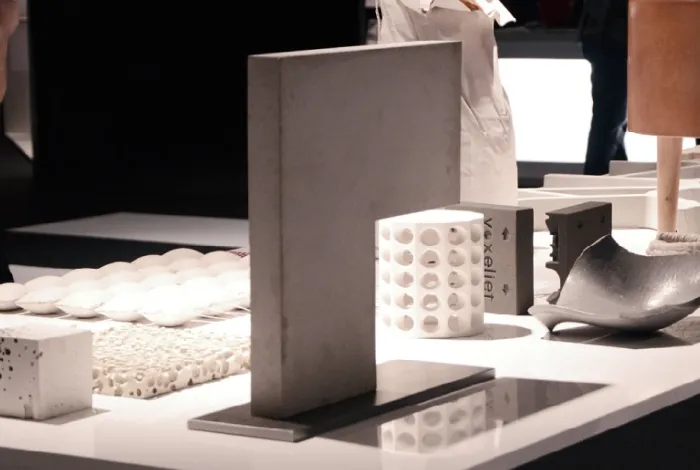
We are a national high-tech enterprise dedicated to special concrete structure construction, bonding, structural reinforcement, and protective coatings since 2008. Holding dozens of international patents across bridge retrofitting, deep tunnel lining, concrete strengthening systems, and polymer repair technologies, we deliver custom-engineered material solutions to over 60 countries globally.
For the Porto-Novo and wider West African markets, we provide specialized tropicalized packaging, extended shelf-life formulations, and direct technical field guidance to guarantee project success under harsh local conditions.
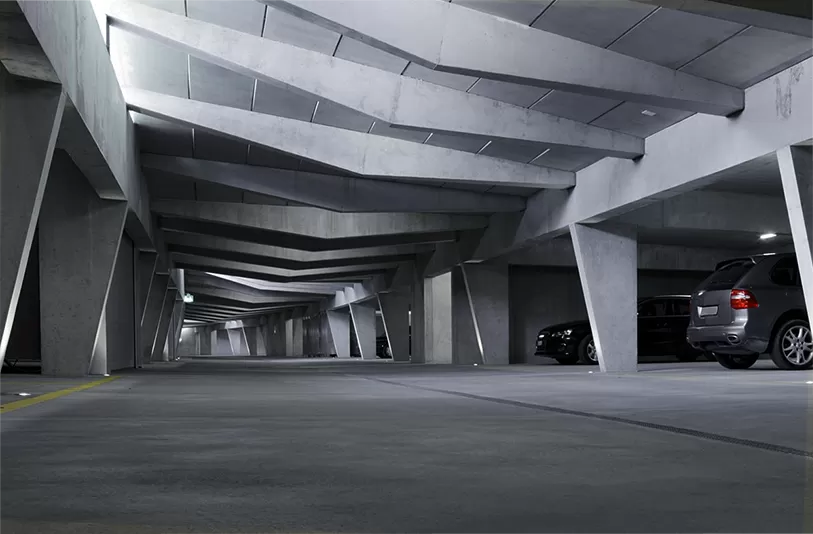
We offer end-to-end support for contractor teams in Porto-Novo, including on-site mix design optimization, mechanical injection pump equipment selection, and worker training. Our direct shipping routes to the Port of Cotonou ensure fast transit times, seamless customs clearance, and predictable supply chains for large-scale government and private development projects.
Pioneering smart, self-healing, and eco-friendly structural repair systems.
Incorporating micro-encapsulated latent epoxy monomers that rupture automatically when new micro-cracks form under seismic or dynamic load, restoring structural integrity autonomously.
Developing plant-derived epoxy precursors reducing carbon footprint by up to 40% without compromising tensile strength or chemical resistance in humid tropical deployments.
Specialized high-early-strength grouts achieving 30 MPa compressive strength in under 4 hours at 35°C, designed for rapid airport runway and port terminal repairs.
Complete product offerings available for direct factory export to Porto-Novo and international destinations.
Engineering insights and technical specifications for specifying epoxy-modified concrete materials in Porto-Novo, Benin.
Porto-Novo experiences high humidity, salt spray from the coastal lagoon, and high ambient temperatures. Standard cement mortar suffers from micro-cracking and poor bonding under these conditions. Epoxy-Modified Concrete incorporates a polymeric latex phase that fills concrete pores, providing waterproofing, chemical resistance, and superior bond strength (>3.5 MPa).
Tropical temperatures (30°C to 38°C) accelerate polymerization. Our export formulations for West Africa utilize modified aliphatic and cycloaliphatic amine hardeners that extend pot life to 45–60 minutes, ensuring adequate working time for application crews before initial set.
Yes. Our High Permeability Modified Epoxy Grouting Materials are moisture-tolerant and can displace water within concrete capillaries. They react and cure in wet environments, forming a dense, watertight structural seal.
Substrates must be mechanically cleaned via hydro-blasting, scarifying, or needle scaling to remove oil, laitance, and carbonated concrete. The concrete substrate should be brought to a saturated surface dry (SSD) condition for optimum polymer penetration.
Our products comply with international benchmarks including ISO 9001:2015, ASTM C881 (Standard Specification for Epoxy-Resin-Base Bonding Systems for Concrete), and European standard EN 1504 (Products and systems for the protection and repair of concrete structures).
When stored in sealed original packaging in a shaded, ventilated area below 35°C, our epoxy resins and hardeners maintain a shelf life of 12 to 18 months. Moisture-proof sealed steel drums and HDPE pails protect ingredients from humidity prior to mixing.
We handle export logistics directly to the Port of Cotonou via sea freight container liners. From Cotonou, inland freight transport delivers materials directly to project job sites or warehouses across Porto-Novo within 24 to 48 hours of port discharge.
Yes, as a primary manufacturer, we provide custom formulation adjustments (viscosity, cure speed, color matching for architectural concrete) and customized drum or kit packaging tailored to project specifications.
Request technical datasheets (TDS), safety data sheets (MSDS), material samples, or a competitive direct-factory quotation for your infrastructure project in Porto-Novo.
 Shengchuang Building