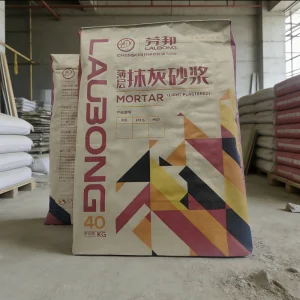
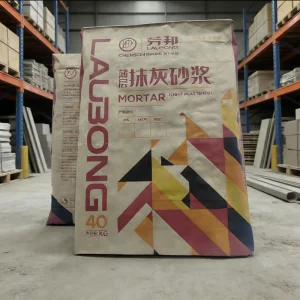
Understanding the vital role of Fiber Reinforced Repair Mortar in modern infrastructure maintenance.
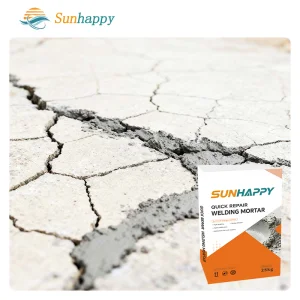
In developed economies across Europe and North America, aging bridges, dams, and tunnels built in the mid-20th century are reaching their design life limit. Fiber Reinforced Repair Mortar has emerged as the "standard of care" for extending the lifespan of these critical structures without complete reconstruction.
In the Asia-Pacific and Middle East, rapid urbanization requires high-performance materials that can withstand extreme climates and heavy loads. Repair mortars with synthetic and glass fibers are essential for the maintenance of skyscrapers and high-speed rail networks.
The global construction industry is pivoting toward "Repair over Replace." By reinforcing existing concrete with high-tech mortars, companies significantly reduce their carbon footprint, aligning with ESG (Environmental, Social, and Governance) targets.
The industry is moving beyond simple cement-sand mixes. Today's "Smart Mortars" include:
Global developers require "Low-Shrinkage" and "High-Bond" mortars for hotel and resort interior walls to ensure aesthetic perfection and long-term durability in high-traffic areas.
Ports and offshore platforms demand sulfate-resistant and chloride-ion-blocking fiber mortars to combat the aggressive corrosion of sea spray and salt water.
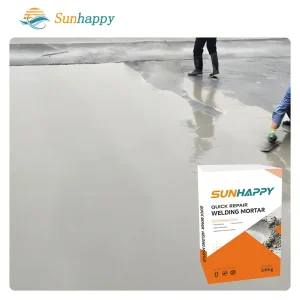
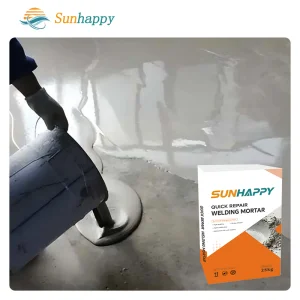
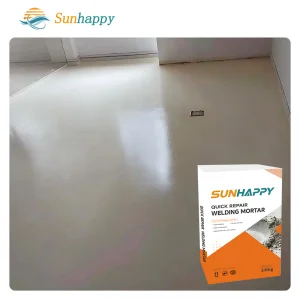
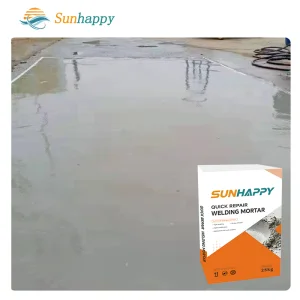
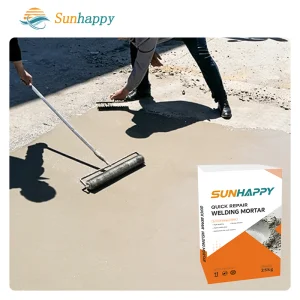
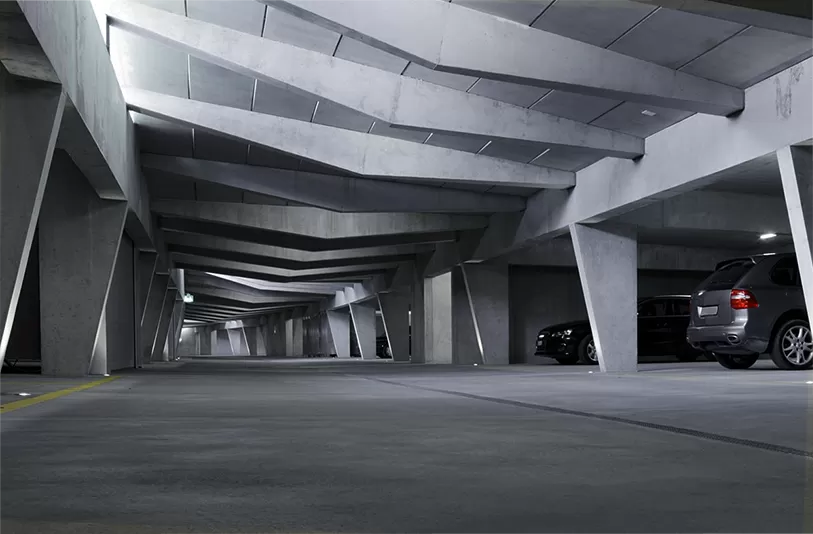
For factory floors and garage basements, the procurement focus is on "High-Abrasion Resistance" and "Self-Leveling" properties to support heavy machinery and vehicle traffic.
Shengchuang (SINO-SINA) offers the perfect blend of R&D innovation and manufacturing scale.
As a national high-tech enterprise, we don't just "make" mortar; we engineer solutions. Our facility in China leverages a complete industrial supply chain, allowing us to source the highest quality polymers and fibers at a lower cost than European counterparts.
Explore Shengchuang Concrete Hot Products
We offer a comprehensive range of products including concrete admixtures, specialized mortars/grouts, epoxy resins, concrete repair materials, structural strengthening systems, and innovative construction solutions.
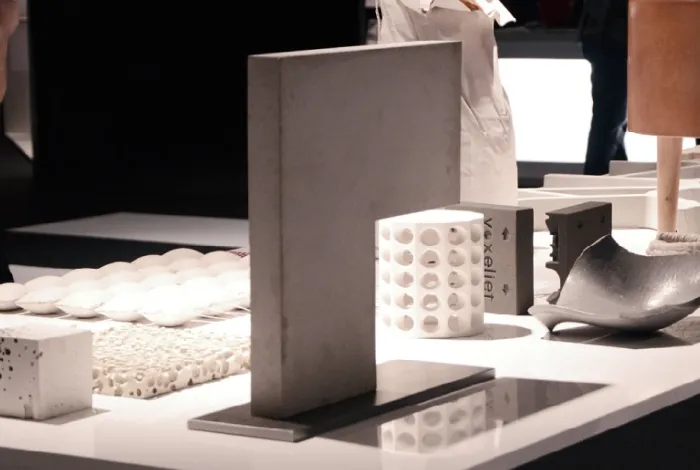
New Generation Concrete Technology: UHPC cladding panel also known as UHPC panels, refers to the application of ultra-high performance concrete in the form of precast panels for architectural cladding purposes. UHPC is a specialized type of concrete that possesses exceptional strength, durability, and aesthetic properties.
We are a national high-tech enterprise that has been dedicated to the field of special concrete structure construction, bonding, reinforcement, and protection since 2008. We boast numerous patents covering bridge, tunnel, concrete structure reinforcement systems, and concrete repair technologies.
Our Fiber Reinforced Repair Mortars are engineered for specific global environments, ensuring that "one size does NOT fit all":
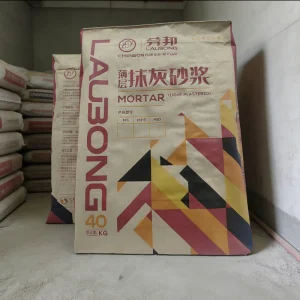
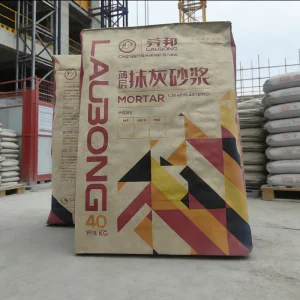
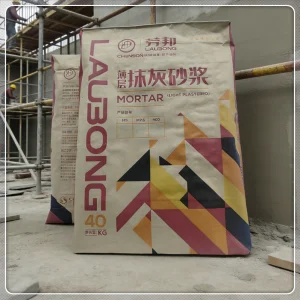
Using GB Compliant Dry Mixed Cement Mortar for restoring historical building facades, ensuring the new material breathes with the old stone and brickwork.
High-performance bonding mortar for theater and concert hall walls, where acoustic damping and fire resistance are as critical as structural bond strength.
Lightweight Construction Material Cement Mortar designed for improved building efficiency, reducing the dead load on high-rise structures while maintaining rigid protection.
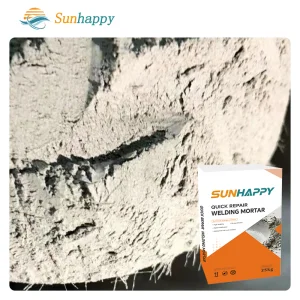
Fiber-reinforced repair mortar is more than just a mix of cement and water. It involves a precise chemical interaction where polymer modifiers improve the elasticity of the mortar while synthetic fibers act as internal "bridges" across potential micro-cracks. When you choose a supplier like SINO-SINA, you are investing in a product that handles thermal expansion, prevents water ingress, and maintains a chemical bond with the substrate that is often stronger than the original concrete itself.
From 25kg bags of self-leveling cement for quick repairs to bulk shipments for major bridge retrofitting, our production line in China is optimized for quality control. Every batch undergoes rigorous testing for compressive strength, flexural strength, and bond tenacity, ensuring that exporters and contractors receive a product that meets international standards like ASTM and EN.
 Shengchuang Building