A comprehensive range of products including concrete admixtures, specialized mortars/grouts, epoxy resins, concrete repair materials, structural strengthening systems, and innovative construction solutions.
An analytical evaluation of composite engineering, material specifications, and the pivotal role of Chinese high-tech manufacturers.
The global construction and engineering landscapes are undergoing a profound paradigm shift. Structural designers and engineering procurement corporations (EPCs) are increasingly abandoning traditional structural metals and non-reinforced masonry in favor of Fiber-Reinforced Polymer (FRP) composites and polymer-modified cementitious matrices. This transition is motivated by a critical need for structural resilience, durability in harsh chemical environments, and structural lightweighting.
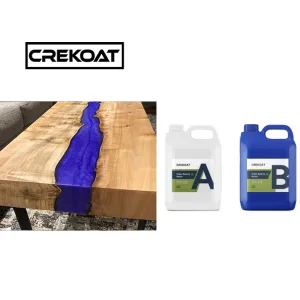
Fiber-reinforced systems work by synergizing the high tensile capacity of engineering fibers (such as carbon, glass, basalt, or aramid) with the protection and shear-transfer capabilities of a chemical matrix, typically an epoxy or polyurethane. In rehabilitating legacy concrete infrastructure—such as transport bridges, industrial chemical tanks, and seismic-vulnerable buildings—specialized bonding adhesives, polymer mortars, and epoxy grouts form the backbone of repair systems.
Modern composite systems rely on interfacial shear strength. Adhesives like structural epoxy sealants and high-modulus polyurethane compounds must withstand complex cyclic loading and thermal movements. Without a chemically stable polymer matrix, reinforcement fibers cannot distribute stresses, leading to localized debonding or delamination. This is where advanced chemistry merges with structural engineering.
How downstream industrial integration, raw material scaling, and technology optimization deliver world-class structural materials.
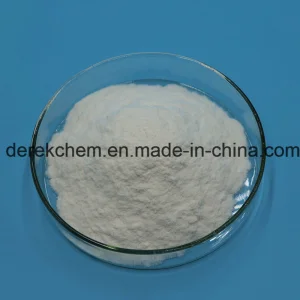
China is home to the world's most concentrated clusters for raw liquid epoxies, hardeners, polycarboxylic acids, and high-purity cellulose ethers (HPMC). This ensures that manufacturing processes are insulated from global supply disruptions, providing unmatched material consistency.
By using automated batch reactors and inline quality control technologies, plants can operate continuously. This lowers thermal overheads and eliminates batch-to-batch variation, which is a major vulnerability in multi-component epoxy resins and polymer admixtures.
Top Chinese manufacturers operate under ISO 9001 and ISO 14001, formulating products to align with ASTM International and European Norms (EN). This ensures that structural adhesives, concrete repairs, and grouts satisfy international safety audits.
We are a national high-tech enterprise that has been dedicated to the field of special concrete structure construction, bonding, reinforcement, and protection since 2008. We boast numerous patents covering bridge, tunnel, concrete structure reinforcement systems, and concrete repair technologies.
Through close integration of polymer chemistry and civil engineering, we supply reliable materials to complex infrastructure projects. Our products are formulated to withstand extreme weather, seismic movements, and heavy mechanical stress, ensuring long-term structural integrity.
Ensuring compliance with local building codes, environmental regulations, and structural engineering standards worldwide.
Exporting structural materials requires adhering to various local building regulations. Our structural adhesives and epoxy repair grouts comply with key global standards, including ASTM C881 (standard specification for epoxy-resin-base bonding systems for concrete) and European EN 1504 (products and systems for the protection and repair of concrete structures). This ensures that structural engineers can safely include our products in their project drawings.
With increasing environmental regulations like REACH in Europe and LEED certification guidelines in North America, we prioritize low-VOC and non-solvent formulations. Our polymer-enhanced guards, self-leveling cements, and epoxy floor paints are engineered to meet strict emissions limits, providing safe working conditions during indoor applications.
Furthermore, localizing support means providing complete engineering submittals, chemical compatibility charts, and precise curing schedule graphs that adjust for local temperature and humidity variations. Our technical support team works directly with project managers to adjust curing behaviors, viscosity levels, and pot life profiles to suit specific local conditions.
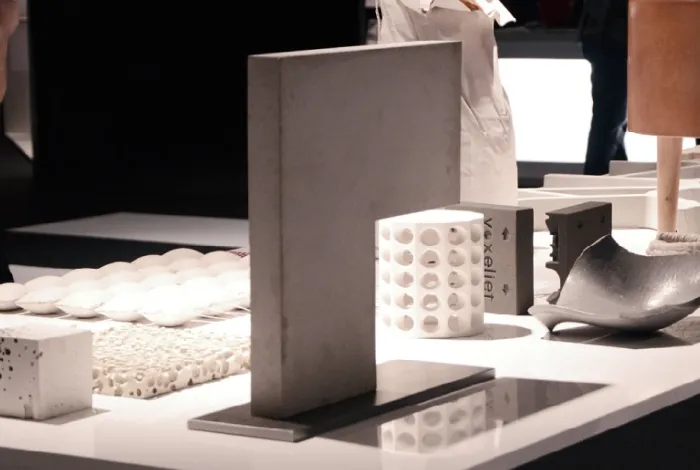
New Generation Concrete Technology: UHPC (Ultra-High Performance Concrete) cladding panels, also known as UHPC panels, refer to the architectural application of ultra-high performance concrete precast elements. UHPC is a specialized concrete matrix featuring exceptional compressive strength, high flexural fatigue resistance, and low porosity, allowing for slim, durable, and highly customizable architectural facades.
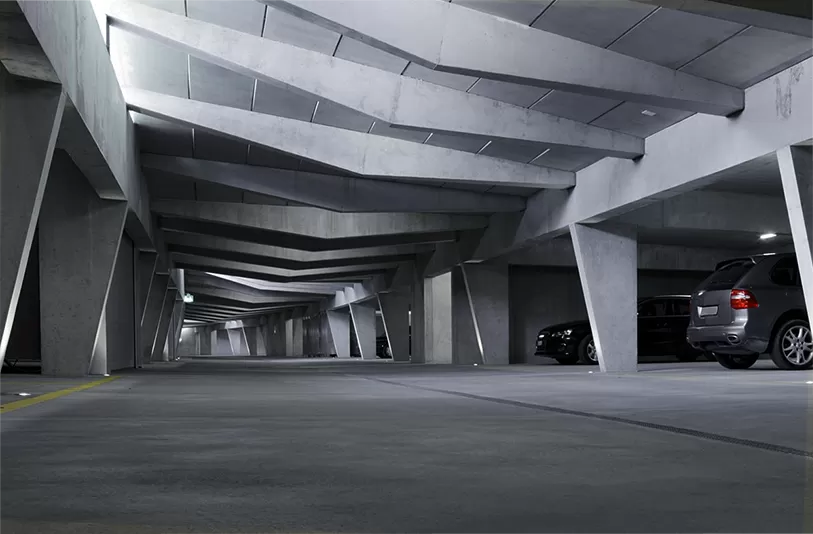
Our UHPC systems utilize optimized particle packing, reactive silica, and high-strength micro-fibers. The resulting material provides superior protection against water ingress and chemical attacks while enabling architects to design complex, lightweight geometries that last for decades.
How fiber-reinforced systems and protective polymers solve structural challenges in real-world environments.
In earthquake-prone regions, reinforced structures must absorb elastic deformation energy. Wrapping concrete pillars in carbon fiber composites using high-modulus epoxy matrices significantly increases the columns' shear load-bearing capacity and ductility, ensuring they meet modern seismic safety codes.
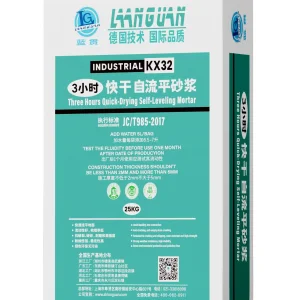
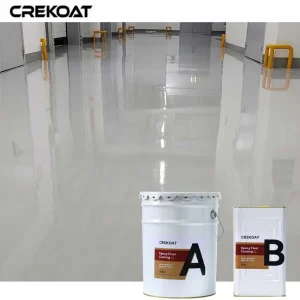
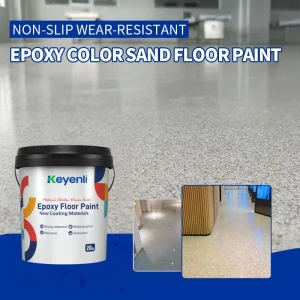
Heavy manufacturing environments require floor coverings that resist both physical impact and chemical spills. Our heavy-duty epoxy floor paints, paired with self-leveling cements and anti-crack mortars, create durable surfaces that protect concrete substrates from structural degradation.
Concrete structures in marine environments face constant exposure to salt spray and chloride penetration. Specialized polymer coatings and low-viscosity epoxy grouts seal micro-cracks, preventing salt ions from reaching internal rebar and causing galvanic corrosion.
Direct answers from material scientists on product selection, performance characteristics, and installation procedures.
Premium solutions for industrial floor coatings, masonry bonding agents, high-durability grouts, and concrete reinforcement.
 Shengchuang Building