The durability of concrete surfaces is a critical concern for various industries. Protective coatings can significantly enhance this durability. According to Dr. Robert Millar, an expert in concrete technologies, “To increase the impact resistance of concrete surfaces with protective coatings is essential for longevity.” His insights highlight the importance of protective solutions in preventing premature wear and damage.
Concrete is often subjected to heavy loads and impacts. Without adequate protection, surfaces can crack, chip, or deteriorate over time. Applying protective coatings not only increases resilience but also adds a layer of beauty and functionality. This protective layer can resist abrasion and chemical exposure, prolonging the lifespan of concrete structures.
However, the effectiveness of these coatings can vary based on application methods and material choice. It is essential to select the right type and ensure proper installation to achieve the desired results. As we explore the benefits of protective coatings, we must also acknowledge the challenges in their application. Reflecting on these factors can guide us in making informed decisions to enhance concrete surface durability.
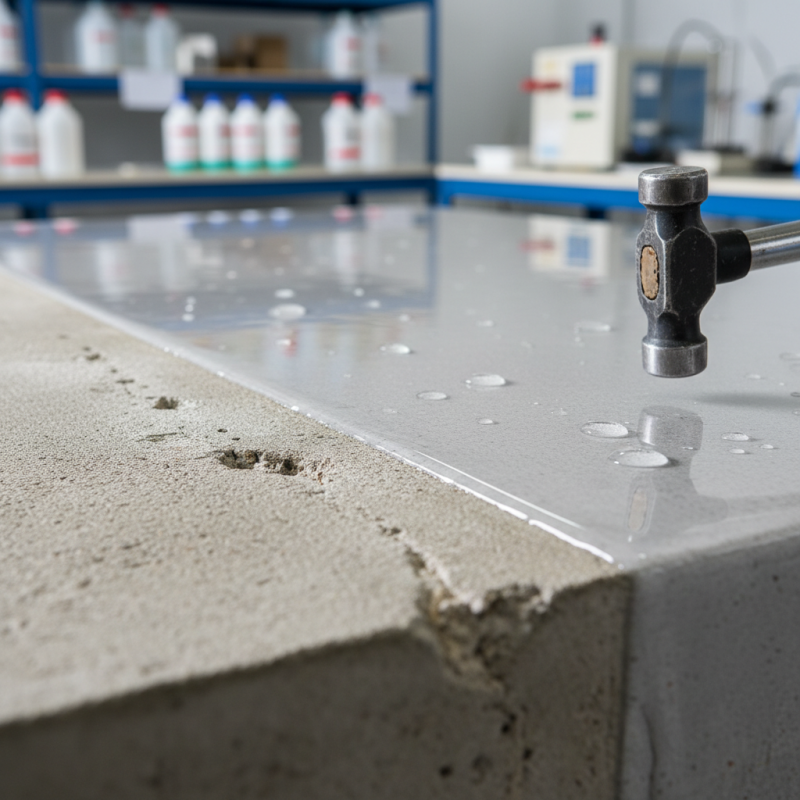
Concrete surface durability is crucial for structures. It impacts longevity and maintenance costs. When concrete surfaces deteriorate, they can crack or spall. These issues often arise from weathering or chemical exposure. Such damage can lead to costly repairs and reduced safety.
Protective coatings play a vital role in enhancing durability. They form a barrier against moisture, chemicals, and UV rays. This barrier minimizes wear and tear. Furthermore, the coatings can increase resistance to mechanical stress. However, not all coatings are created equal. Some may not adhere well or can peel over time. Regular inspections are necessary to ensure their effectiveness.
Understanding concrete’s vulnerabilities helps in choosing the right protective measures. Not every project may require heavy-duty coatings. Sometimes a simpler approach might suffice. Yet, these decisions require careful thought and professional insight. Finding the balance between cost and performance is key. Concrete surfaces may be strong, but they still need protection to last.
Concrete surfaces face various dangers that can compromise their integrity and lifespan. One common threat is water infiltration. Rain and moisture can seep into the concrete, causing cracks and erosion over time. Freezing temperatures can exacerbate these issues, leading to spalling and surface damage.
Another significant threat is chemical exposure. Substances like salts and acids can react with concrete, weakening its structure. For instance, road de-icing chemicals can penetrate and cause corrosion in steel reinforcements. Over time, this deterioration may lead to serious safety hazards.
Mechanical wear is also a concern. Heavy traffic, machinery, or even foot traffic can wear down a concrete surface, creating uneven patches and increasing maintenance costs. Addressing these threats proactively is crucial for maintaining durability. Protective coatings can provide an essential barrier against these damaging elements, extending the life of concrete surfaces. They enhance resistance to moisture, chemicals, and physical wear.
When it comes to enhancing concrete surface durability, protective coatings play a vital role. Among the various coatings available, the most common types include sealers, membranes, and epoxy coatings. Each of these serves specific purposes and offers unique benefits.
Sealers are often used for both interior and exterior surfaces. They penetrate the concrete and create a barrier against moisture and stains. These coatings can be as simple as acrylic-based sealers or more advanced penetrating sealers. However, they may wear away over time and require reapplication.
Membrane coatings provide a thicker layer of protection. They are ideal for outdoor applications, especially in harsh weather. These coatings are typically elastomeric, allowing them to expand and contract without cracking. Epoxy coatings, on the other hand, are known for their strength and resistance to chemicals. They are often used in commercial spaces exposed to heavy traffic. However, they can be challenging to apply and may not be suitable for all concrete types. Selecting the right type of protective coating requires understanding the specific needs of the concrete surface.
Protective coatings significantly enhance the durability of concrete surfaces. Concrete is inherently porous, making it susceptible to water infiltration, chemical attacks, and freeze-thaw cycles. A study by the American Concrete Institute indicates that applying protective coatings can reduce water permeability by up to 80%. This reduction extends the life of concrete structures and minimizes maintenance costs.
Additionally, these coatings offer resistance against harmful substances. Research shows that coatings can prevent damage from de-icing salts and corrosive chemicals. In regions with harsh winters, concrete structures suffer without proper protection. The durability of coated surfaces can be two to three times greater than untreated surfaces. However, the application process requires careful consideration. Improper installation can lead to peeling or flaking, undermining the protective benefits. Evaluating environmental conditions and surface preparation is crucial for effective results.
Moreover, while the benefits are significant, not all coatings perform equally. Some may require frequent reapplication, leading to higher long-term costs. It’s essential to select coatings that meet the specific needs of the concrete environment. Understanding these factors is vital for optimizing surface longevity. The integration of protective coatings is a proactive approach to maintaining concrete’s structural integrity.
Protective coatings play a vital role in enhancing concrete durability. When applied correctly, these coatings can significantly extend the lifespan of concrete surfaces. Application techniques are crucial to achieving effective results. The surface must be clean and free from moisture or contaminants. The condition of the concrete is also important. A poorly prepared surface can lead to coating failures, compromising durability.
Different coatings require specific application methods. For example, epoxy-based coatings must be mixed accurately to ensure strong adhesion. A roller or sprayer often provides the best results for even coverage. According to the American Concrete Institute, improper application can reduce the effectiveness of protective coatings by up to 40%. These numbers emphasize the importance of following guidelines closely.
It is worth noting that not all coatings suit every environment. Some may degrade under extreme weather conditions. Evaluating environmental factors is essential. Testing small areas can help determine compatibility and durability. However, even rigorous tests cannot guarantee long-term success. Continuous monitoring and maintenance are necessary to maximize the benefits of protective coatings. Being aware of these considerations can lead to more informed choices.
: Concrete surface durability affects longevity and maintenance costs. Deteriorated surfaces can lead to cracks and expensive repairs.
Coatings create a barrier against moisture and chemicals, reducing wear and tear on surfaces.
Weathering can cause cracking and spalling, leading to safety concerns and costly repairs.
No, not all coatings adhere well or last long. Some may peel, requiring regular inspections.
Environmental conditions affect the effectiveness of coatings. Proper surface preparation is essential for success.
Coatings can reduce water permeability by up to 80%, extending the life of concrete structures.
Yes, some coatings may need frequent reapplication, potentially increasing long-term costs.
Not always. Simpler methods may work for certain projects, but careful evaluation is required.
Yes, coated surfaces often perform two to three times better than untreated ones in harsh conditions.
Selecting the right coatings for specific needs and understanding environmental factors is crucial.
Protective coatings play a crucial role in enhancing the durability of concrete surfaces, which is essential for maintaining the integrity and longevity of structures. Concrete surfaces face numerous threats, including water infiltration, chemicals, and physical wear, all of which can lead to degradation. By applying protective coatings, it's possible to mitigate these risks significantly. Types of coatings vary from sealers to membranes, each offering unique benefits that help to increase the impact resistance of concrete surfaces with protective coatings.
The application of these coatings not only enhances aesthetic appeal but also provides a barrier against environmental stresses and mechanical damage. Proper application techniques and considerations are vital to ensure optimal performance, making it essential for professionals to select the appropriate products and methods. Overall, utilizing protective coatings serves as a proactive approach to safeguard concrete surfaces, promoting durability and reducing maintenance costs over time.

Shengchuang Building