Water is a vital resource in concrete production. Its efficient use is essential for sustainability. High-performance concrete (HPC) requires careful management of water resources. According to the World Business Council for Sustainable Development (WBCSD), water scarcity will affect 1.8 billion people by 2025. Therefore, it is crucial to explore methods to reduce water consumption in high‑performance concrete production.
Expert Dr. Lisa Rodriguez, a leading figure in sustainable engineering, stated, “Every drop counts when it comes to transforming concrete practices.” This highlights the urgency in our industry to adopt better practices. Research indicates that reducing water use not only conserves resources but also enhances the durability of concrete. Lower water-to-cement ratios lead to stronger, more resilient structures.
Despite advances, some challenges remain. Many producers still rely on outdated methods. Awareness and training are vital to drive change. As we navigate these complexities, focusing on innovative solutions can empower the industry. Ultimately, reducing water consumption in high‑performance concrete production is not just responsible; it’s essential for our future.
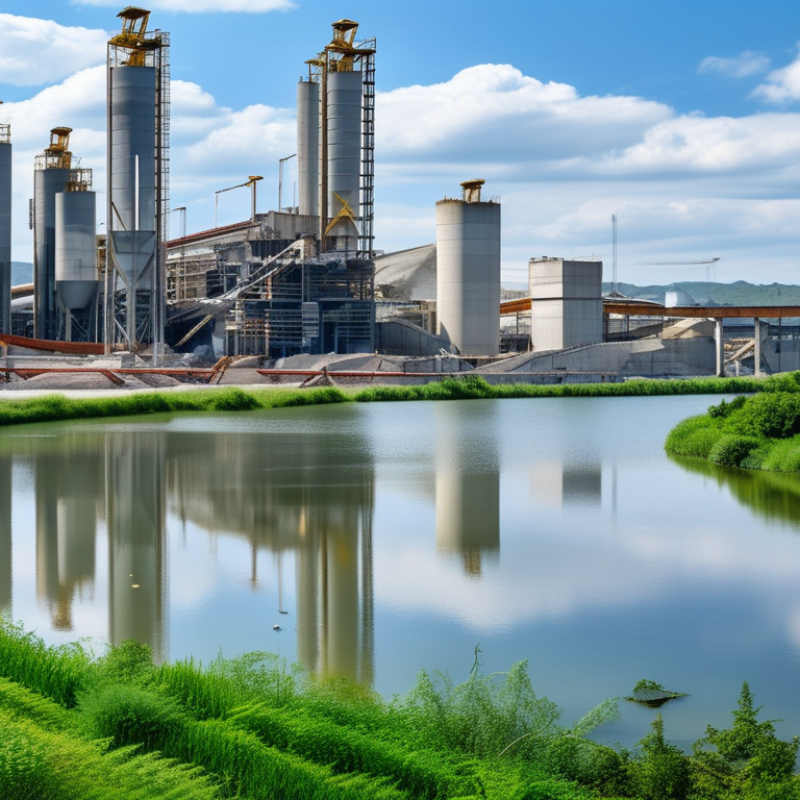
Optimizing the water-cement ratio in high-performance concrete is crucial for achieving durability and strength. A lower water-cement ratio typically enhances compression strength and reduces porosity. However, achieving the right balance is challenging. Too little water can lead to difficulties in mixing and placing the concrete. On the other hand, excessive water can compromise the material's integrity.
To effectively manage water use, consider using high-quality supplementary cementitious materials. These materials can enhance the workability of the mix while allowing for a reduction in water content. Incorporating water-reducing admixtures can also improve the flow of the mix, reducing the need for additional water. Experimenting with these components requires careful measurement and adjustment, as each change affects the final product differently.
Monitoring environmental factors is equally important. Temperature and humidity can impact the concrete's curing process. In hot, dry conditions, evaporation rates increase, impacting water content. Adjustments may be necessary to ensure optimal performance. Regular testing and analysis help in fine-tuning the mix design. It’s a complex balancing act that demands attention to detail and a willingness to revise methods as needed.
| Strategy | Description | Impact on Water Use |
|---|---|---|
| Optimize Water-Cement Ratio | Carefully balance the water-cement ratio to reduce excess water while maintaining workability. | Up to 20% reduction |
| Use Chemical Admixtures | Incorporate superplasticizers to enhance fluidity without adding water. | 15% to 25% reduction |
| Employ Water Recycling | Reuse water from washing and curing processes in new batches. | 30% reduction |
| Improve Mixing Techniques | Utilize high-efficiency mixers to achieve uniformity with less water. | 10% reduction |
| Optimize Curing Methods | Adopt methods that require less water, such as curing compounds and water-retaining covers. | 20% reduction |
| Select Low Water-Cement Ratio Materials | Utilize concrete components offering high durability with lower water demands. | 15% to 20% reduction |
| Utilize Supplementary Cementitious Materials (SCMs) | Incorporate fly ash, slag, or silica fume to improve performance while reducing water needed. | 25% reduction |
| Implement Batch Control Systems | Use automatic batching control to precisely manage water content during mixing. | Up to 10% reduction |
| Educate Workers on Best Practices | Train workers on efficient mixing and handling techniques to minimize water wasted. | 5% to 15% reduction |
| Monitor Environmental Conditions | Adjust water content based on temperature and humidity during application. | 7% reduction |
: The water-cement ratio affects durability and strength. A lower ratio enhances compression strength and reduces porosity.
Insufficient water makes mixing and placing difficult. It can lead to poor performance in the final product.
Yes, too much water can compromise the strength and durability of the concrete. Balance is key.
These materials improve workability while allowing for reduced water content. They can enhance overall performance.
They improve mix flow, minimizing additional water needs. This helps achieve the desired water-cement ratio.
Temperature and humidity impact evaporation rates. Adjustments may be necessary to maintain optimal water levels.
They repel water and reduce absorption rates. This protects concrete from freeze-thaw damage.
Engineers may struggle with cost assessments and material compatibility. Learning new methods can take time.
Yes, questions remain about their longevity and environmental impact. Careful evaluation is essential.
Regular testing allows for adjustments in the mix design. This helps to optimize performance and durability.
In the quest to reduce water consumption in high-performance concrete production, several effective strategies can be implemented. Optimizing water-cement ratios is crucial, as it directly impacts the final product's strength and durability. By integrating recycled water into mixing and curing processes, we can further decrease fresh water usage while maintaining concrete quality. The use of superplasticizers can enhance workability and significantly lessen water demand, facilitating the construction process without compromising the concrete's performance.
Moreover, adopting advanced materials that provide hydrophobic and water-resistant properties can minimize the need for water in the mix. Innovative curing techniques are essential to reduce water evaporation losses during the curing phase, which is particularly critical in hot climates. By combining these approaches, it's possible to achieve efficient water use while producing high-performance concrete that meets the required standards.

 Shengchuang Building