High-performance concrete (HPC) is widely used in modern construction due to its superior strength and durability. However, spalling remains a significant issue in ensuring the longevity of these structures. According to a report by the American Concrete Institute, approximately 30% of concrete structures experience spalling due to environmental factors, thermal expansion, and improper curing methods. Experts emphasize the need to implement effective strategies to "reduce the risk of spalling in high‑performance concrete structures."
Dr. Maria Chen, a leading authority in concrete durability, states, "Preventive measures are crucial for maintaining the integrity of high-performance concrete." Her insight highlights the importance of considering material selection, mixture design, and environmental exposure during the planning phase. Innovative solutions, such as using corrosion inhibitors and optimizing curing processes, can significantly decrease the likelihood of spalling.
Despite advances in concrete technology, challenges still exist. In many cases, contractors overlook critical details, leading to increased risks of damage. As the construction industry continues to evolve, prioritizing education and awareness around effective HPC practices will be essential for enhancing structural resilience.
Understanding Spalling in High Performance Concrete
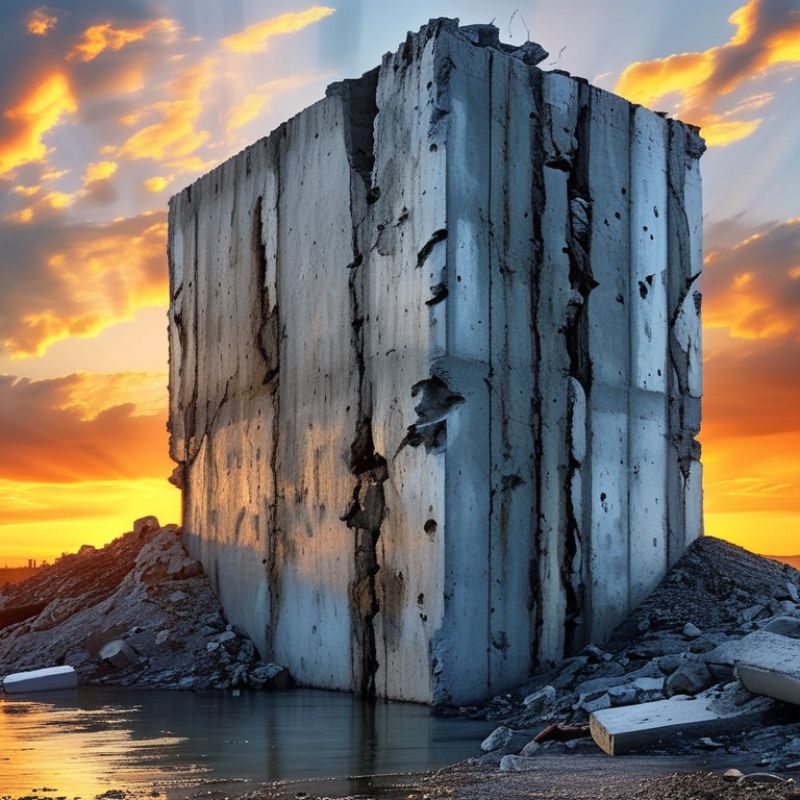
Spalling in high performance concrete occurs when surface flakes break away. This phenomenon compromises the durability and appearance of structures. The issue often arises due to thermal stress and moisture infiltration. Understanding these factors is crucial for engineers and builders.
To prevent spalling, proper mix design is essential. A lower water-cement ratio can enhance density. This reduces porosity, making concrete less vulnerable to moisture. Additionally, using high-quality aggregates plays a significant role. They must be well-graded and resistant to freeze-thaw cycles. However, even with the best materials, mistakes can happen during placement and curing.
Regular inspections and maintenance are vital for addressing early signs of spalling. Implementing effective curing practices can minimize risks. Yet, many projects overlook these steps, leading to costly repairs later. Each structure poses unique challenges, and learning from past failures can guide future decisions.
Emphasizing continuous education and research on spalling will improve practices in the industry.
Factors Contributing to Spalling Risks in Concrete
Spalling in high-performance concrete can arise from various factors that compromise durability. One significant contributor is moisture vulnerability. When water infiltrates the concrete, it can freeze and expand, causing surface flakes. Temperature fluctuations also play a critical role. Rapid changes in temperature can induce thermal stresses, leading to cracks and eventual spalling. Additionally, poor-quality aggregates may exacerbate these risks, introducing weaknesses into the mix.
To mitigate spalling risks, consider employing proper curing techniques. Curing helps in maintaining moisture levels during the essential early stages. Use quality materials that are specifically suited for high-performance concrete. Ensure that aggregates are well-graded and free from contaminants. This choice improves overall strength and longevity.
Remember that regular inspections can catch early signs of spalling. Look for surface cracks or discoloration. Addressing these issues promptly can prevent larger problems later on. Finally, control environmental factors, especially humidity and temperature during placement. Implementing these strategies can significantly reduce the risk of spalling, enhancing the lifespan of high-performance concrete structures.
Factors Contributing to Spalling Risks in High Performance Concrete
This chart illustrates various factors contributing to spalling risks in high performance concrete, measured over a 12-month period. The data reflects the percentage impact of each factor on the overall spalling risk.
Best Practices for Mixing and Placing High Performance Concrete
Mixing and placing high performance concrete (HPC) requires careful attention to material selection and technique. The choice of aggregates, for instance, significantly influences spalling risks. Fine aggregates may enhance workability but can also lead to a porous structure if not balanced with coarse aggregates. Additionally, using a suitable water-to-cement ratio is critical. Too much water can weaken the concrete and increase the likelihood of spalling.
When placing HPC, ensure proper compaction. Inadequate compaction can create voids, adversely affecting the integrity of the concrete. Use vibrating tools appropriately to minimize air pockets. Curing is another essential practice that can often be overlooked. A well-curing process keeps the concrete moist and promotes proper hydration, reducing the risk of surface cracking.
Monitoring environmental conditions during mixing and placement helps as well. Extreme temperatures and rapid evaporation can weaken the mix. Utilizing windbreaks or protective covers ensures better control over these factors. Creating a detailed plan that considers local conditions can lead to better outcomes. There’s always room for improvement in practice. Regular reviews of mixing and placement processes can lead to enhanced techniques over time.
Effective Curing Techniques to Minimize Spalling
Curing high-performance concrete effectively is essential to minimize spalling risks. According to industry reports, up to 80% of concrete failures are attributed to improper curing. Proper moisture retention during the curing period can significantly enhance the concrete’s strength and durability. Water loss, particularly in the first few days after placement, can lead to drying shrinkage and ultimately spalling.
One effective technique is the application of curing compounds. These compounds create a membrane that retains moisture and slows down evaporation. Research indicates that using curing compounds can improve compressive strength by up to 20%. Implementing wet curing methods, such as water misting or covering with wet burlap, can also provide successful results. These methods help maintain the temperature and moisture balance crucial for concrete hydration.
However, there are challenges. Weather conditions such as high temperatures and wind can complicate curing efforts. Monitoring environmental conditions during the curing process is critical. Often, contractors may overlook the importance of adjusting curing methods based on these conditions. Small lapses can lead to significant consequences in structural integrity, reminding us that attention to detail in curing practices is vital.
How to Reduce Spalling Risks in High Performance Concrete? - Effective Curing Techniques to Minimize Spalling
| Curing Technique |
Description |
Effectiveness (%) |
Recommended Duration |
| Water Curing |
Continuous water application to keep the concrete surface moist. |
90% |
7 days |
| Moist Curing Covers |
Using wet burlap or other materials to cover the concrete and retain moisture. |
85% |
7 days |
| Curing Compounds |
Spraying a chemical compound to retain moisture in the concrete. |
80% |
7 days |
| Plastic Sheeting |
Covering with plastic to limit evaporation. |
75% |
7 days |
| Steam Curing |
Application of steam to accelerate curing. |
95% |
3 days |
Regular Maintenance Strategies for Long-Term Durability
Regular maintenance is vital for enhancing the durability of high-performance concrete. This ensures it withstands various environmental stressors. Routine inspections help identify spalling risks early. Checking for cracks, flaking, and moisture buildup is crucial. Small issues can lead to larger problems if overlooked.
Implementing protective coatings can also be beneficial. These coatings act as a barrier against moisture and chemicals. Regularly updating these coatings is necessary to maintain their effectiveness. Additionally, proper drainage systems help divert water away from concrete surfaces. This reduces the risk of water penetration, which can cause spalling.
Educating maintenance teams about specific challenges related to high-performance concrete is essential. They should understand how weather affects concrete surfaces. Yet, even with protocols in place, mistakes can happen. Regular training can help mitigate these issues. Frequent assessments and open discussions about maintenance practices promote long-term durability. This continuous process is key for ensuring concrete structures remain resilient.
Conclusion
High-performance concrete (HPC) is renowned for its durability, but spalling can still pose significant challenges. To effectively reduce the risk of spalling in high-performance concrete structures, it is crucial to first understand the mechanisms behind spalling and identify the factors that contribute to its occurrence, such as water-cement ratio, air entrainment, and temperature variations during curing.
Implementing best practices for mixing and placing HPC can greatly enhance its resilience. This includes using the right materials and ensuring proper mixing techniques. Additionally, employing effective curing methods plays a vital role in minimizing surface cracking and spalling. Regular maintenance, including inspections and repairs, is essential for ensuring the long-term durability of concrete structures, ultimately protecting investments and enhancing structural integrity. Following these strategies will help safeguard high-performance concrete against spalling issues.

 Shengchuang Building