Concrete plays a crucial role in hydraulic projects, particularly in resisting erosion. Recent studies have shown that approximately 30% of hydraulic structures face issues related to erosion within the first five years of construction. This alarming statistic highlights the need to improve the anti-erosion performance of concrete in hydraulic projects. Erosion can weaken vital infrastructures, resulting in significant maintenance costs and safety hazards.
To combat erosion, innovative techniques and materials must be utilized. For instance, incorporating high-performance additives like silica fume can enhance concrete's durability. Additionally, utilizing advanced curing methods can improve concrete density, reducing permeability. According to industry reports, projects that implemented these changes experienced a 40% reduction in erosion-related failures. However, not all projects follow this trend. Many still rely on outdated practices, risking integrity and performance over time.
As the demand for resilient infrastructure grows, hydrology engineers must prioritize improving anti-erosion performance. It is essential to reflect on past errors and adapt to modern techniques. Developing a strong understanding of material science, while applying preventive measures, will ensure that future hydraulic projects do not succumb to erosion-related failures.
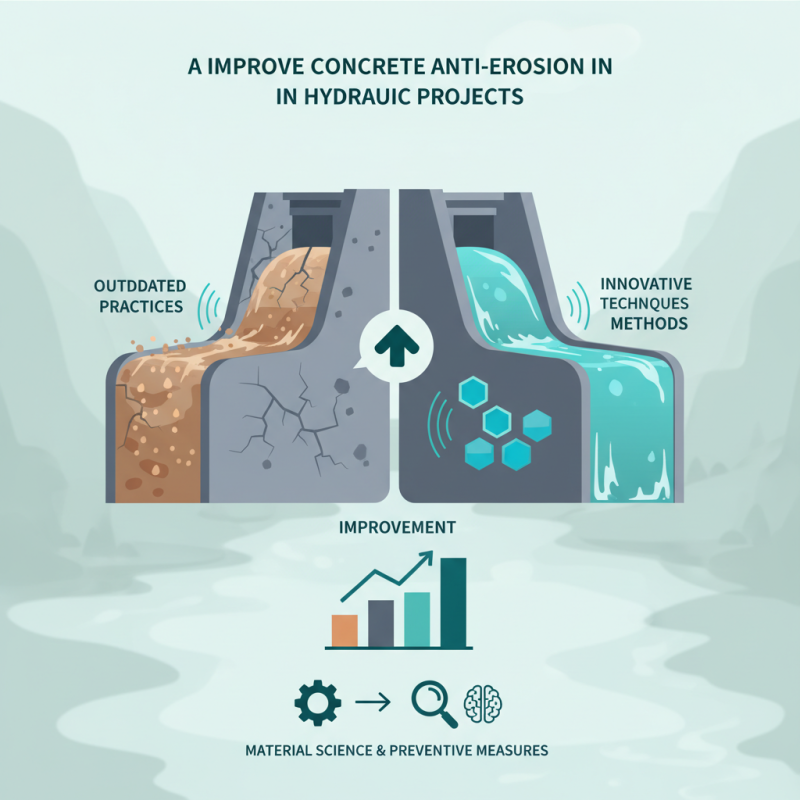
Concrete erosion is a critical challenge in hydraulic projects. Understanding its basics helps professionals mitigate the problem effectively. Water flow, chemical reactions, and physical abrasion contribute to this degradation. Research indicates that around 25% of concrete structures in these projects suffer from erosion issues, leading to substantial repair costs and reduced lifespan.
In an environment where water flow is constant, erosion accelerates significantly. High-velocity water can remove fine particles from the concrete surface, exposing coarse aggregates. Studies show that this process can lead to a 30% decrease in structural integrity within five years if left unchecked. This harsh reality pushes engineers to rethink material selection and design approaches. Factors like water chemistry and sediment movement also play crucial roles.
Implementing protective measures requires sound knowledge and experience. Adding pozzolans and exploring surface treatments may enhance durability. Some reports suggest that protective coatings can reduce erosion by up to 50%. However, the effectiveness of such solutions varies based on unique project conditions. Continuous monitoring and assessments are necessary to ensure long-term success.
Concrete erosion in hydraulic environments is a pressing concern. Factors contributing to this issue include water chemistry, flow velocity, and physical abrasiveness. Water with high acidity levels can chemically degrade concrete. Similarly, increased flow velocity enhances physical wear and tear, leading to quicker erosion rates. A study by the American Concrete Institute shows that water speed exceeding 3 ft/s significantly heightens erosion risks.
To mitigate erosion, consider incorporating supplementary cementitious materials like fly ash or slag. These materials can improve durability and resistance to aggressive environments. Also, ensuring proper concrete mix design can help fortify structures against erosive forces. Regularly assessing the concrete's condition is vital. Proactive maintenance can address wear before it becomes critical.
Tips:
- Monitor water chemistry regularly to identify potential issues.
- Choose high-performance concrete mixes known for their resilience.
- Establish a routine inspection schedule to catch early signs of erosion.
Enhancing concrete durability is crucial for hydraulic projects. Erosion can weaken structures over time. Various techniques can help mitigate this issue effectively.
One approach involves using supplementary cementitious materials (SCMs). These materials, like fly ash or slag, can improve concrete’s resistance to erosion. They help create a denser microstructure. This reduces the permeability of concrete, leading to better performance against environmental factors. Additionally, proper mix design is essential. Consistency in water-cement ratio plays a significant role. When it’s too high, concrete may become weak and more prone to erosion.
Another technique is surface treatment. Coating the concrete with protective sealers can enhance its resilience. These sealers act as barriers against water and harmful chemicals. Regular maintenance is also critical. Inspecting structures for cracks and surface damage can prevent larger issues.
However, not all methods guarantee complete protection. Understanding the specific environmental conditions is vital. When employed thoughtfully, these techniques can significantly extend the lifespan of concrete in hydraulic applications.
Innovations in materials science are key to improving concrete’s resistance to erosion in hydraulic projects. Engineers are exploring various blends and additives to enhance durability. One promising approach includes incorporating recycled materials, which can enhance both sustainability and performance. For instance, using volcanic ash can create a more resilient compound that withstands aggressive water conditions.
Another area of growth focuses on the use of smart materials. These materials can adapt to environmental changes, providing additional support and protection where needed. Innovations such as self-healing concrete can reduce erosion by repairing cracks autonomously. This approach not only extends the lifespan of structures but also lowers maintenance costs considerably.
While these advances show promise, challenges remain. The balance between cost and effectiveness is crucial. Some innovative materials could initially be more expensive, leading to hesitance in adoption. Moreover, ensuring uniformity in performance across various environmental conditions is an ongoing concern. Continued research and real-world testing are essential to address these issues while optimizing the benefits of material innovations for anti-erosion solutions in concrete.
Erosion can severely impact hydraulic projects, leading to costly repairs. Implementing erosion-resistant concrete is essential for durability. Recent studies indicate that nearly 80% of hydraulic structures face erosion challenges. This underscores the need for advanced materials and techniques.
Using polymer-modified concrete can significantly improve erosion resistance. This type of concrete includes additives that enhance its strength and durability. Research shows that its lifespan can exceed traditional concrete by over 30%. However, the cost implications need careful consideration. While initial expenses may rise, long-term savings from reduced maintenance could justify the investment.
Proper surface treatment also plays a vital role. Applying coatings or using textured surfaces can reduce water flow velocity. Effective design can minimize turbulent water flow, which often causes erosion. Nevertheless, not all projects have similar requirements. Tailoring the solution to project-specific conditions is crucial for success. Some solutions may not perform as expected under different environmental conditions. More research into local outcomes is needed.
| Best Practice | Description | Effectiveness | Implementation Cost | Recommended Use |
|---|---|---|---|---|
| Use of Additives | Incorporate erosion-resistant additives like silica fume. | High | Medium | Moderate to High Water Flow |
| Proper Curing Techniques | Ensure adequate curing time and humidity levels. | Very High | Low | All Hydraulic Projects |
| Improved Surface Finishing | Utilize troweling and finishing techniques to create a denser surface. | High | Low | High Wear Areas |
| Reinforcement Options | Implement fiber or steel reinforcement within the concrete. | Moderate to High | High | Flood Prone Areas |
| Water-Resistant Sealants | Apply sealants to protect against water penetration. | High | Medium | Areas with High Moisture Levels |
: Water chemistry, flow velocity, and physical abrasiveness are key factors. High acidity can chemically degrade concrete.
Increased flow velocity accelerates erosion. Water speed exceeding 3 ft/s significantly raises erosion risks.
Supplementary cementitious materials like fly ash or slag enhance durability. They fortify concrete against aggressive environments.
Regular assessments help catch early signs of erosion. Proactive maintenance can prevent serious damage over time.
Recycled materials and smart materials are promising. For example, self-healing concrete can repair cracks autonomously.
The balance between cost and effectiveness is crucial. Some innovative materials may be expensive upfront.
Coatings or textured surfaces can reduce water flow velocity, minimizing erosion. Tailoring solutions to specific projects is essential.
Yes, ensuring uniform performance across different conditions is a concern. More localized research is necessary for optimal results.
Its lifespan can exceed that of traditional concrete by over 30%. Despite higher initial costs, it can lead to long-term savings.
Different environmental conditions can affect their effectiveness. Each project may have unique requirements needing tailored approaches.
The article "How to Improve Concrete Anti Erosion for Hydraulic Projects?" addresses critical aspects of concrete erosion and offers insights into enhancing its durability in hydraulic environments. It begins by explaining the fundamentals of concrete erosion and identifying various factors that contribute to degradation in such settings. To effectively improve the anti‑erosion performance of concrete in hydraulic projects, the article discusses several techniques, including the use of advanced additives and improved mixing methods that enhance the material's resistance to erosive forces.
Moreover, the discussion extends to innovative materials that can be utilized to create more resilient concrete solutions. By adopting best practices for the implementation of erosion-resistant concrete, project managers and engineers can significantly mitigate the impacts of environmental challenges. Overall, the article serves as a comprehensive guide for professionals seeking to enhance the longevity and effectiveness of concrete in hydraulic applications.

Shengchuang Building