Outdoor concrete is widely used for various applications, but its UV resistance often poses a challenge. Improving UV resistance of outdoor concrete protection materials is crucial to prolong its lifespan and maintain aesthetic appeal. A recent study indicates that concrete can degrade rapidly under UV exposure, leading to surface cracking and color fading. These issues highlight the need for effective solutions.
At the upcoming Canton Fair, industry professionals will gather to explore advancements in this area. New materials and coatings designed specifically to improve UV resistance are gaining attention. According to industry reports, the global demand for UV-resistant concrete products is expected to grow significantly, driven by increasing construction activities. Innovative solutions can make a substantial impact, yet many products still fall short of expectations.
It is essential to address existing gaps in performance and provide more reliable options. Stakeholders must invest in research to create better formulations for outdoor concrete protection. By enhancing the durability of these materials, the construction industry can indeed meet evolving standards. The fair will serve as an important platform to engage in this critical conversation.
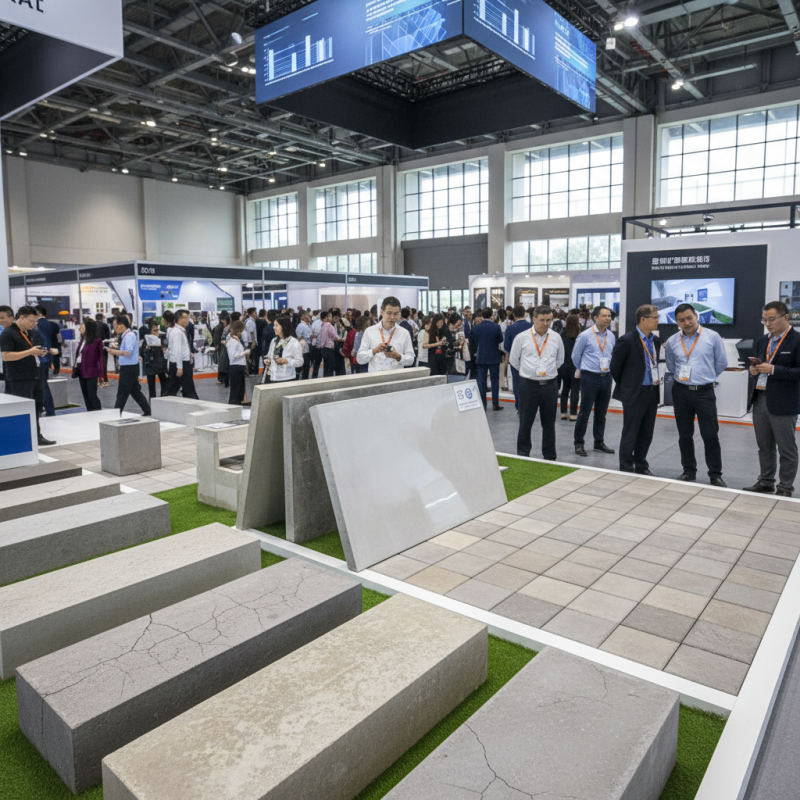
Understanding UV resistance in outdoor concrete is vital for its longevity. Concrete is durable, but UV rays can degrade its surface. Over time, exposure can lead to fading and cracking. These effects are especially visible in bright, sunny areas.
Several measures can enhance UV resistance. Adding specific additives can help shield the surface from harmful rays. Protective sealants create a barrier, preventing damage. Some contractors recommend reflective coatings to reduce heat absorption. However, these solutions may not be universally effective.
While many techniques exist, not all are foolproof. Each environment has unique challenges. For example, high humidity can affect certain coatings. Regular maintenance is crucial. This involves cleaning and inspecting for wear. Such proactive steps offer better protection against UV damage. It’s important to evaluate your approach continually and adjust as needed.
UV resistance in outdoor concrete is crucial for its longevity and appearance. Several factors can affect this resistance. High-quality materials often play a significant role. Choosing the right aggregates and additives can enhance durability. Moreover, the cement type used impacts overall performance. Certain cements already contain UV-resistant properties.
Environmental conditions matter too. Areas with intense sunlight can cause rapid degradation. Heat can lead to cracks and fading over time. Regular maintenance and protective coatings may help but are not always practical. You might find that these coatings wear off sooner than expected.
Mix design affects UV resistance as well. A well-optimized mix with good particle distribution offers better protection. Sometimes, adjusting the water-cement ratio can be beneficial. Finding the perfect balance is often a trial-and-error process. Every batch can behave differently, and what works well in one case might not in another.
Enhancing the UV resistance of outdoor concrete is crucial, especially for structures exposed to sun and weather. One effective technique is to use UV-resistant additives in the concrete mix. These additives can form a protective layer on the concrete’s surface, reflecting harmful UV rays. Combining these additives with pigments can also improve aesthetics while providing additional protection.
Another method involves the use of special sealers designed for UV resistance. Applying a sealer can help shield the concrete from UV radiation and moisture. However, not all sealers are created equal. It's vital to select the right sealer that is compatible with your concrete mix. Testing small areas before full application can help identify the best choice and ensure optimal performance.
Using lighter-colored aggregates can also enhance UV resistance. Lighter colors absorb less heat, reducing the likelihood of surface cracking. However, achieving the right balance between appearance and performance can be challenging. Adjusting the mix to obtain an acceptable color shade might require several attempts. Concrete contractors need to be attentive to these details to avoid issues later on.
To enhance UV resistance in outdoor concrete, proper coatings and sealants are paramount. These elements protect concrete surfaces from the harsh effects of sunlight and moisture. An appropriate sealant can act as a barrier against UV rays, preventing the concrete from fading or cracking over time.
One effective tip is to opt for UV-resistant sealants that contain specific additives. These additives improve the longevity of the coating. Applying the sealant in thin, even layers can enhance its bond to the concrete. Look for formulas designed for outdoor use, as they often have superior durability.
Consider the environmental conditions when applying these products. Applying in extreme temperatures or direct sunlight can lead to poor adhesion. Testing the products on a small area can provide insight into their performance.
Over time, you may need to reapply the sealant as wear and tear occur. Regular maintenance is vital. Don't overlook the importance of this step; it can save you money and effort in the long run.
Evaluating UV resilience in outdoor concrete is essential, especially at events like the Canton Fair. Testing methods must be precise and effective. One common technique uses accelerated weathering tests. This simulates long-term UV exposure in a shorter timeframe. Typically, it involves exposing concrete samples to UV light, heat, and moisture. Research shows that this method can reveal significant differences in UV resistance among various concrete formulations.
Data from industry reports indicate that concrete with high silica content displays better UV resistance. For instance, studies suggest that such concrete loses only 15% of its original color and integrity after 1,000 hours of exposure. In contrast, lower-grade mixtures may experience degradation rates exceeding 30%. These findings highlight the importance of selecting quality materials when aiming for longevity in outdoor concrete.
However, achieving high durability is not without challenges. Often, manufacturers overlook the curing process, which is crucial for UV resistance. Improper curing can weaken the surface, increasing vulnerability to UV degradation. Continuous monitoring and testing should be encouraged to address these issues. The goal is to create concrete that not only withstands elements but also maintains its appearance over time.
| Testing Method | Description | UV Resistance Rating | Recommended Additives | Cost Estimate ($/m²) |
|---|---|---|---|---|
| Accelerated Weathering Test | Simulates long-term UV exposure through controlled exposure to UV light and moisture. | A | Titanium Dioxide, UV Stabilizers | 15 |
| Chalking Test | Measures the surface chalking caused by UV exposure over time. | B | Silica Fume, Polymer Modifiers | 12 |
| Color Fastness Test | Evaluates the retention of color on concrete exposed to UV rays. | A+ | Color Pigments, UV Absorbers | 10 |
| Flexural Strength Test | Determines the strength reduction of concrete under UV exposure. | B- | Fiber Reinforcements, Inorganic Fillers | 14 |
: UV resistance refers to the ability of concrete to withstand damage from ultraviolet rays.
UV resistance helps maintain the surface quality of concrete over time, preventing fading and cracking.
You can use UV-resistant additives, protective sealants, and lighter-colored aggregates.
Sealants create a barrier against UV rays and moisture, helping to preserve concrete longevity.
No, effectiveness varies by environment and conditions; some methods may not work in high humidity.
Regular maintenance, like cleaning and inspecting, is vital to prevent wear and ensure protection.
Yes, testing on small areas helps identify the best seal and ensures optimal performance.
Balancing aesthetics and performance can be tough; adjustments may require multiple attempts.
Additives form a protective layer that reflects harmful UV rays, improving durability and appearance.
Environments change, and ongoing assessment ensures that protective measures remain effective over time.
To improve UV resistance of outdoor concrete protection materials, it is crucial to understand the factors that influence the longevity and durability of these materials when exposed to sunlight. Key factors include the quality of the concrete mix, the presence of additives, and environmental conditions. By employing techniques such as incorporating UV stabilizers in concrete mixes and optimizing curing processes, the UV resilience of concrete can be significantly enhanced.
Additionally, best practices for applying coatings and sealants can further fortify the concrete against UV degradation. Regular testing and evaluation methods are vital to assess the effectiveness of these improvements and ensure long-lasting protection. By focusing on these strategies, stakeholders can effectively improve UV resistance of outdoor concrete protection materials, ensuring durability and aesthetic longevity in various outdoor settings.

Shengchuang Building