Top 5 Ways to Improve Flowability of Grouts for Precision Equipment?

Time:2026-08-28 Author:Liam
0%

In the realm of precision equipment installation, achieving optimal flowability of grouts is critical. Industry expert Dr. Eric Helm, a renowned material scientist, emphasizes that "effective flowability can significantly enhance the adherence of grouts, ensuring stability and longevity." This statement underscores the essential connection between effective grout applications and precision machinery.

Improving the flowability of grouts for precision equipment installation involves several nuanced techniques. Factors such as water-to-cement ratio, the use of admixtures, and the temperature can greatly influence grout behavior. Small adjustments can yield substantial outcomes. For instance, incorporating specific additives can enhance fluidity without compromising strength.

However, not all solutions are foolproof. Selecting the wrong admixture or excessive water content can lead to separation and decreased performance. A trial-and-error approach may be necessary, often revealing unexpected challenges. This pursuit of improvement requires both knowledge and innovation to truly succeed in enhancing flowability, ultimately leading to more reliable installations.
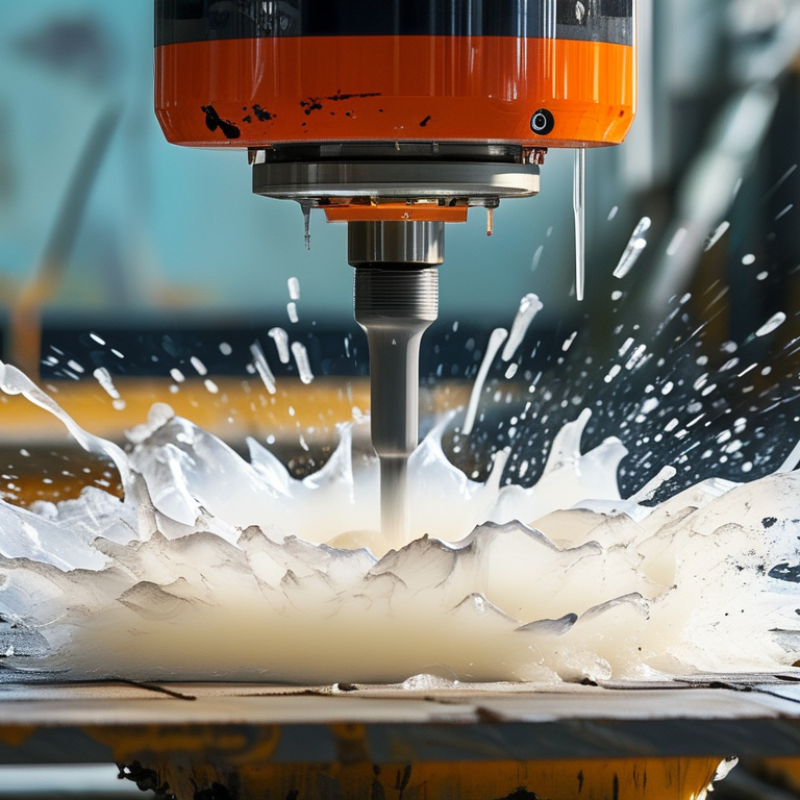
Top 5 Ways to Improve Flowability of Grouts for Precision Equipment?

Understanding Flowability in Grouts for Precision Equipment

Flowability is a critical property of grouts used in precision equipment. It influences the ability of the material to fill voids effectively and uniformly. A study by the American Concrete Institute indicates that enhancing flowability can lead to a 20% reduction in air voids. This reduction is crucial for ensuring optimal performance in sensitive applications.

Improving flowability often involves adjusting the material's composition. Adding fine aggregates and water-reducing agents can enhance the mix without sacrificing strength. For instance, research shows that incorporating microsilica increases flowability significantly while maintaining compressive strength. A report from the International Journal of Construction Materials highlights that achieving the right balance in the mix is essential but often overlooked.

Engineers must also consider the testing methods for flowability. Traditional techniques may not account for all variables, leading to misleading results. Using advanced testing methods ensures more reliable data. However, some companies still rely on simplistic measures, risking the quality of their products. It's important to continually reassess and refine these methods for the best outcomes.

Factors Affecting Flowability of Grouts

Flowability of grouts is crucial for precision equipment. Multiple factors affect this property. Understanding these influences can enhance performance and reliability.

Water-cement ratio significantly impacts fluidity. A higher ratio can improve flowability, but this may weaken the grout's strength. Fine aggregates also play a role. Using well-graded aggregates helps fill gaps and enhances the mix’s consistency.

Additives such as superplasticizers can further modify flow behavior. These materials help to reduce viscosity without increasing water content. However, the wrong dosage can negatively affect setting time and strength. Temperature is another critical factor. Higher temperatures can speed up the curing process but may lead to reduced workability. Adjusting these factors appropriately is essential for achieving optimal flowability in grout mixtures.

Techniques to Enhance Grout Consistency

Grout consistency is vital for precision equipment installations. Enhancing flowability can prevent voids and achieve stronger bonds. One effective technique is adjusting the water-to-cement ratio. Too much water can weaken the grout. Conversely, too little can cause clumping. Aim for a balance that fosters workability without sacrificing strength.

Another method involves using additives. These can improve fluidity and stability. Some work well with specific materials, while others might not. It’s essential to test different formulations. The impact on drying times can vary significantly, too. Experimentation is often necessary to find the right mix.

The mixing method matters just as much. Rapid mixing can introduce air bubbles. It’s essential to mix gently and consistently to avoid this. Adequate time should be given for the materials to blend. Thoroughness will ensure even consistency, which is critical for effective application. Observing these details can lead to significant improvements, yet each batch may present its unique challenges.

Influence of Additives on Grout Flowability

Additives play a crucial role in enhancing the flowability of grouts used in precision equipment. According to recent industry reports, the right combination of additives can significantly reduce viscosity. This helps grouts achieve a smoother flow, making them easier to apply and mold into intricate shapes. In fact, studies suggest that incorporating polymer-based additives can increase flowability by up to 30%. Such improvements not only streamline the application process but also ensure better coverage of surfaces.

Calcium carbonate and silica fume are among the most common additives utilized to optimize grout flow. Calcium carbonate can increase fluidity while maintaining structural integrity. On the other hand, silica fume can improve the microstructure of grout, enhancing flow without compromising strength. However, relying solely on these materials may lead to a mixture that is overly fluid, lacking in robustness. It highlights the importance of balancing flow with performance, an aspect often overlooked.

In practice, evaluating the right dosage of these additives is vital. Too much can lead to segregation and inconsistent performance, while too little may fail to achieve desired flowability. Continuous testing and refinement of grout formulations are essential to find the optimal blend. This iterative process underscores the complexity of achieving ideal grouting conditions and invites reflection on improving formulation practices in the industry.

Best Practices for Mixing and Applying Grouts

Mixing and applying grouts for precision equipment requires careful attention to detail. A good practice is to measure the water and grout powder accurately. Too much water can lead to a runny mix, affecting performance. Conversely, too little can cause clumping and uneven application. Mixing with slow speed helps achieve a uniform consistency. It’s crucial to check that no dry patches remain.

Application techniques also play a vital role. Using a specialized tool can ensure even distribution. Pay attention to the surrounding area to avoid spills. A narrow nozzle can help direct the grout exactly where needed. If it starts to set too quickly, adjust your working pace. Remember, it’s okay if things don’t go perfectly. Reflecting on past mixes can provide insights for improvement. Each batch offers a learning opportunity, helping refine your skills.

FAQS

: What is flowability in grouts?

: Flowability refers to the property that allows grouts to fill voids effectively and uniformly.

Why is flowability important in precision equipment?

It helps minimize air voids, which can enhance performance in sensitive applications significantly.

How can flowability be improved?

By adjusting the grout's composition with fine aggregates and water-reducing agents for better consistency.

What role do additives play in grout flowability?

Additives can reduce viscosity, leading to smoother flow and better application on surfaces.

What are common additives for grout?

Calcium carbonate and silica fume are commonly used to improve both flowability and structural integrity.

Can using too many additives be a problem?

Yes, excessive additives can lead to overly fluid mixtures, affecting the grout's performance.

How important is testing for flowability?

Testing is crucial; traditional techniques may overlook variables, leading to unreliable results.

What happens if the correct dosage of additives is not used?

Incorrect dosages can cause segregation or fail to achieve desired flowability, impacting performance.

Why is continuous testing necessary?

It helps refine grout formulations and achieve optimal conditions for effective applications.

What should engineers reflect on regarding grout formulations?

They need to consider balance between flowability and performance to avoid common pitfalls.

Conclusion

Improving the flowability of grouts for precision equipment installation is essential for achieving optimal performance and reliability in various applications. Understanding the fundamental aspects of flowability, as well as identifying the factors that influence it, such as viscosity and particle size distribution, lays the groundwork for effective enhancement techniques.

Several methods can be employed to improve grout consistency, including adjusting the water-to-cement ratio and incorporating specific additives designed to increase fluidity without compromising strength. Additionally, best practices for mixing and applying grouts play a vital role in ensuring smooth application and consistent results. By focusing on these key areas, one can significantly enhance the flowability of grouts, leading to better outcomes in precision equipment installations.

Liam

Liam

Liam is a dedicated marketing professional with a profound expertise in the industry, where he excels at highlighting the unique advantages of our core products. With a keen understanding of market trends and consumer needs, Liam frequently updates our company’s professional blog, providing......