How to Improve Adhesion Performance in Low Temperature Conditions?

Time:2026-05-25 Author:Liam
0%

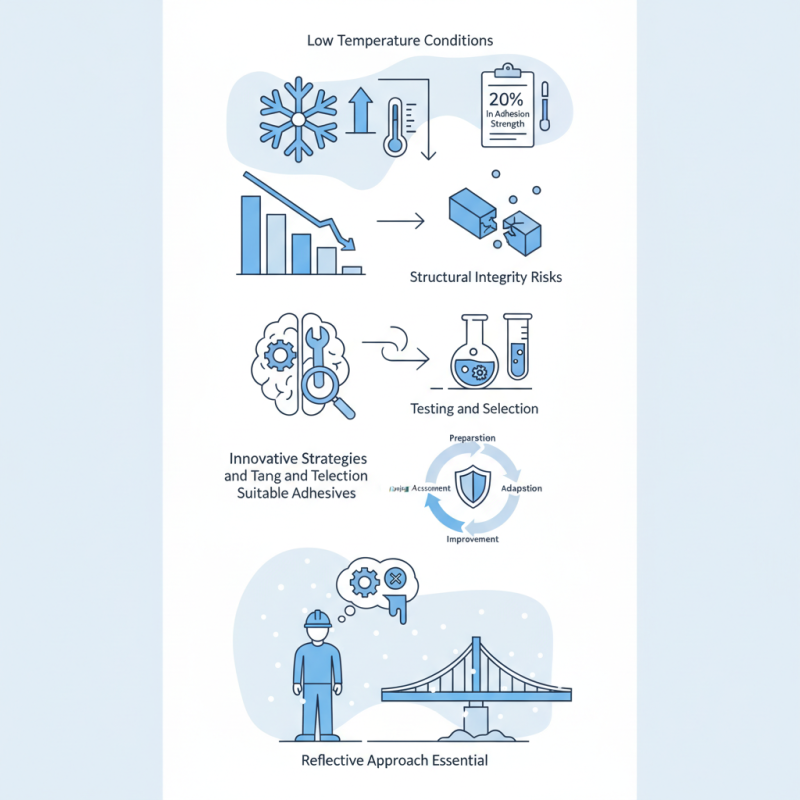
In the construction industry, low temperatures can significantly hinder adhesion performance. According to a report by the International Journal of Adhesion and Adhesives, a 20% drop in adhesion strength can occur when temperatures fall below 5°C. This poses serious risks for project timelines and structural integrity. Experts emphasize the necessity to "Improve adhesion performance under low‑temperature construction conditions" to ensure safety and reliability in cold weather projects.

Dr. Alice Morgan, a leading researcher in materials science, states, "Understanding the effects of temperature on adhesion is critical for successful outcomes." Her insights remind us that conditions often change unexpectedly, leading to potential failures. This highlights the need for thorough preparation and ongoing assessment during colder months.

Addressing adhesion challenges in low-temperature environments demands innovative strategies and the right materials. Companies need to focus on testing and selecting adhesives suitable for such conditions. While advancements exist, many projects still fail to consider these critical factors. A reflective approach is essential, allowing for adaptation and improvement in methods as cold weather continues to impact construction practices.
How to Improve Adhesion Performance in Low Temperature Conditions?

Understanding Adhesion Performance in Cold Environments

Cold environments pose significant challenges for adhesion performance. As temperatures drop, materials behave differently. Adhesive compounds can become brittle, reducing their ability to bond effectively. This change often results in failures that might not occur under normal conditions. Understanding these nuances is essential for improvement.

Proper surface preparation is crucial in cold conditions. Surfaces should be clean and dry, free from moisture and contaminants. Even minor impurities can disrupt adhesion. Application temperature also matters. Many adhesives require a minimum temperature to cure properly. If applied too cold, they may not set effectively.

Testing is necessary to understand how different adhesives perform in cold weather. Field tests can reveal weaknesses not apparent in controlled environments. Observing failures offers insights into which factors affect adhesion. This critical evaluation can guide future product development and application strategies. Each experiment helps refine techniques, leading to better outcomes.

Factors That Affect Adhesion at Low Temperatures

Adhesion performance can be significantly impacted by low temperatures. Understanding the factors that affect adhesion in cold conditions is crucial. One primary factor is the temperature itself. As temperatures drop, many adhesives become less viscous. This reduced flow can hinder the adhesive's ability to penetrate surfaces effectively. It's essential to select materials that maintain their bonding qualities at lower temperatures.

Surface preparation is another critical element. Cleanliness plays a huge role in ensuring effective adhesion. Dust, oil, or other contaminants can substantially compromise the bond. Additionally, the nature of the surfaces being bonded is vital. Certain materials may swell or change dimensions in colder weather, which can alter the contact area and affect adhesion negatively.

Finally, time is an often-overlooked factor. Adhesives may require longer curing times in low temperatures. Rushing the process might lead to weak bonds. Achieving optimal adhesion requires patience and proper planning. These aspects remind us that successful adhesion is not just about the adhesive itself but also the surrounding conditions. Failure to account for these variables often leads to subpar results.

Materials Selection for Enhanced Cold Weather Adhesion

When selecting materials for adhesion in cold weather, the focus should be on performance and reliability. Temperature fluctuations significantly affect the interaction between adhesives and substrates. According to a report by the Adhesive and Sealant Council, adhesion can drop by 30% or more in temperatures below freezing. This emphasizes the importance of choosing the right materials to maintain effective bonding.

Polymer-based adhesives often perform better in low temperatures. They can retain flexibility, enabling them to accommodate thermal expansion and contraction. For instance, modified polyurethane types have shown excellent adhesion properties even at temperatures as low as -30°C. However, the selection must consider other factors, like environmental impact and substrate compatibility. This complexity can lead to missteps, as not all materials perform as expected in extreme cold.

Additionally, test data indicate that surface preparation plays a crucial role. Improperly cleaned surfaces can result in adhesion failures, regardless of the adhesive used. The variability of contaminants at low temperatures poses a challenge. It is crucial to ensure surfaces are adequately prepped, raising questions about standard practices. Emerging technologies like plasma treatment may offer alternatives, yet they require further exploration to validate their effectiveness in cold conditions.

How to Improve Adhesion Performance in Low Temperature Conditions?

This chart illustrates the adhesion strength of various adhesive types under low temperature conditions (-20°C). The data showcases the performance differences, highlighting potential selections for improved adhesion in cold weather applications.

Surface Preparation Techniques for Improved Low Temperature Bonding

Low temperatures can significantly impact the adhesion performance of various materials. To enhance bonding in such conditions, proper surface preparation techniques are essential. Studies indicate that contaminants on surfaces can reduce adhesion strength by up to 70%. Thorough cleaning is vital, as residues like oil, dust, or moisture can hinder the bonding process. Utilizing solvents or mechanical cleaning methods can greatly improve surface quality.

Tip: Always ensure surfaces are dry and free from dust before bonding. This simple step can make a noticeable difference.

Moreover, surface roughness is crucial in low temperature bonding. A study by the Adhesive and Sealant Council found that increasing surface roughness can enhance adhesion by creating more mechanical interlocking. Techniques such as sandblasting or using abrasive pads can help achieve the desired texture. However, over-roughening can actually weaken bonds, leading to reduced performance.

Tip: Aim for a balance in surface texture—neither too smooth nor excessively rough. A moderate approach often yields the best results.

Testing and Quality Control for Cold Adhesion Performance

In low temperature conditions, testing adhesion performance becomes crucial. Cold environments can drastically affect the effectiveness of adhesives. A systematic approach to quality control is essential. Various factors influence adhesion at low temperatures, such as substrate surfaces and environmental conditions.

Regular testing helps identify potential weaknesses in adhesion. Simple methods, like peel and shear tests, can provide insights into performance. These tests apply stress to the adhesive bond, revealing its strength under cold conditions. It's important to run these tests in a controlled environment.

Observations during testing can offer valuable insights. Some adhesives may bond poorly due to unexpected variables. Temperature fluctuations, humidity, and surface cleanliness should be monitored closely. These reflections often highlight areas needing improvement. Adjustment in the formulation or application process might be needed. Focusing on detailed testing and quality control fosters better adhesion performance in cold climates.

FAQS

: What challenges do cold environments pose for adhesion performance?

: Cold temperatures make materials behave differently, often causing adhesives to become brittle and bond less effectively.

Why is surface preparation important in cold conditions?

Clean, dry surfaces free from contaminants ensure better adhesion, preventing up to 70% reduction in strength.

What happens if adhesive is applied at too low a temperature?

If applied cold, adhesives may not cure properly, leading to ineffective bonding and potential failures.

How can surface roughness affect adhesion in low temperatures?

Increased surface roughness can enhance adhesion by improving mechanical interlocking, but over-roughening may weaken bonds.

What methods can be used for effective surface cleaning?

Utilizing solvents and mechanical cleaning methods can improve surface quality for better bonding in cold conditions.

Are there any tips for surface preparation before bonding?

Ensure surfaces are dry and dust-free before bonding; this simple step greatly improves adhesive performance.

How can testing improve understanding of adhesives in cold environments?

Field tests reveal weaknesses under real conditions, providing insights that guide future product development and strategies.

What should be considered when choosing cleaning techniques?

Choose cleaning methods based on the specific contaminants; balance cleaning intensity with surface compatibility is essential.

How can bonding techniques be refined over time?

Each experiment helps to evaluate performance, guiding adjustments for improved adhesion outcomes in cold temperatures.

What is a common mistake during surface preparation?

Neglecting minor impurities like moisture can disrupt adhesion, highlighting the need for thorough inspection before bonding.

Conclusion

Improving adhesion performance under low-temperature construction conditions is critical for ensuring the integrity and durability of structures exposed to harsh environments. Understanding the fundamental principles of adhesion in cold conditions is the first step, as it allows for identifying key factors such as surface energy and moisture content that influence bonding strength.

Selecting appropriate materials that are specifically designed for low-temperature applications is essential. Additionally, proper surface preparation techniques, such as cleaning and priming, can significantly enhance the bonding process. Lastly, rigorous testing and quality control measures must be implemented to evaluate adhesion performance, ensuring that the chosen materials and techniques meet the required standards for effective bonding in cold climates.

Liam

Liam

Liam is a dedicated marketing professional with a profound expertise in the industry, where he excels at highlighting the unique advantages of our core products. With a keen understanding of market trends and consumer needs, Liam frequently updates our company’s professional blog, providing......