Concrete structures are essential in modern construction, but they face numerous challenges, particularly water ingress. This can lead to significant damage over time. The need to enhance the waterproof performance of concrete repair systems is critical for maintaining structural integrity. Many repair products exist, yet not all effectively address water issues.
Understanding how to enhance the waterproof performance of concrete repair systems involves exploring materials and application techniques. New advancements in technology focus on creating more resilient solutions. Epoxy coatings and polymer-modified mortars have shown promise, but effectiveness can vary.
It's crucial to evaluate both the environmental conditions and the specific needs of each structure. Not all repair methods may work as intended. Proper surface preparation and correct application techniques are vital. Missteps can lead to failures, diminishing the long-term success of repairs. Reassessing current practices is necessary to ensure improved waterproofing outcomes.
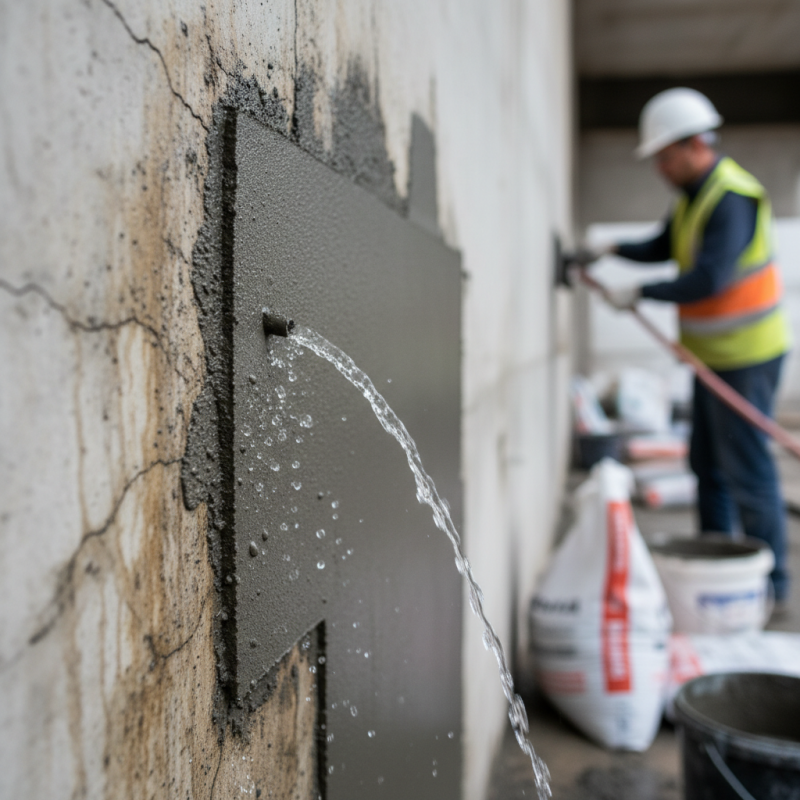
When selecting materials for concrete repair systems, waterproof performance is often a critical factor. The choice of components can significantly influence the durability and longevity of repairs. Innovative materials, like fiber-reinforced polymers, show promise in enhancing impermeability. However, not all materials perform equally well under various conditions.
Understanding the moisture levels in the environment is vital. Some materials may excel in dry conditions but fail in humid settings. A careful assessment of local climate and exposure levels will help in making informed decisions. Even reputable solutions can falter if the wrong environment is overlooked.
Incorporating additives into repair mixtures is another strategy to improve waterproof performance. These additives can reduce porosity and enhance bonding. However, the effectiveness of these materials can vary based on formulation and application methods. Experimentation and evaluation are often needed, leading to a trial-and-error process that requires patience and refinement. Each project can reveal new insights into what works best under specific circumstances.
To enhance the waterproof performance of concrete repair systems, incorporating advanced additives is crucial. Recent studies show that using additives can improve waterproofing properties by up to 50%. These additives work by filling micro-cracks and reducing permeability. Recognizing that not all additives perform equally is essential. Research indicates that some may underperform under certain conditions, leading to potential failures in waterproofing.
When selecting suitable additives, consider the specific requirements of your project. Some additives are designed for high humidity environments, while others excel in dry conditions. Understanding the environment can significantly influence the effectiveness of your waterproofing strategy.
Tips: Always conduct preliminary tests on small sections of the repair. Monitor how different additives react with your specific concrete mix. Don’t overlook the importance of proper application methods. Even the best additives can fail if applied incorrectly. Regularly revisiting your choice of materials is wise, especially as new technologies emerge.
Concrete repair systems play a crucial role in maintaining the durability of structures. One effective approach to enhancing waterproof performance is through surface treatments. These treatments can significantly improve the water resistance of concrete, thus extending its lifespan. According to a report by the American Concrete Institute, properly applied surface treatments can reduce water penetration by up to 90%.
Surface treatments vary widely, from coatings to sealants. Many formulations enhance the physical properties of concrete, making it less porous. However, not all treatments are created equal. Some may even trap moisture, leading to potential damage beneath the surface. The effectiveness of any treatment largely depends on the application process and environmental conditions. It's essential to address these factors to prevent ineffective repairs.
Proper training and knowledge are vital when applying these surface treatments. Inadequate application can yield disappointing results. Field data indicate that 20% of repairs fail due to improper surface preparation or application techniques. Therefore, it's imperative for professionals to stay informed about best practices and evolving technologies in concrete repair. The durability of any structure hinges significantly on these details.
| Surface Treatment Type | Description | Effectiveness (1-10) | Durability (Years) | Recommended Applications |
|---|---|---|---|---|
| Hydrophobic Coatings | Repels water using surface tension principles. | 9 | 5-10 | Bridge decks, parking garages |
| Silane/Siloxane Treatments | Penetrates concrete and forms a water-repellent layer. | 8 | 10+ | Masonry walls, foundations |
| Polymer-Based Sealers | Creates a protective film over concrete surfaces. | 7 | 3-7 | Industrial floors, sidewalks |
| Crystalline Waterproofing | Forms crystals that block water pathways in concrete. | 10 | 20+ | Basements, water tanks |
| Elastic Membrane Systems | Flexible membranes to bridge cracks and prevent water ingress. | 8 | 5-15 | Roofing, balconies |
Implementing effective curing techniques is crucial for optimizing the waterproof performance of concrete repair systems. Proper curing enhances hydration and reduces the formation of cracks. Maintaining adequate moisture is vital to achieve the desired strength and durability. By covering the repaired area with wet burlap or curing compounds, concrete can retain moisture during the critical curing period. This step is often overlooked.
In addition to maintaining moisture, temperature control plays a significant role. Rapid temperature fluctuations can adversely affect the curing process. A stable temperature environment promotes uniform curing, allowing the concrete to set properly. Monitoring environmental conditions helps ensure the curing process is as effective as possible.
Despite the importance of these techniques, many contractors fail to implement them fully. Even small lapses can lead to costly repairs later on. Regular assessments and adaptations during curing can help improve outcomes. Focusing on these details creates a more reliable and efficient waterproof concrete repair system. The difference can be significant in preventing water ingress and extending the life of the structure.
This chart illustrates the waterproof performance of different curing methods used in concrete repair systems. Method A shows the highest performance at 85%, followed closely by Method C at 90%. Methods B and D demonstrate slightly lower performances of 75% and 70%, respectively. Proper curing techniques are crucial for optimizing waterproof performance.
Effective waterproof repair systems are vital for maintaining the integrity of structures. In field evaluations, different repair methods were tested to assess their performance.
One case study highlighted the use of specific sealants that bonded well with existing concrete. Observations revealed that these sealants effectively reduced water infiltration. However, some areas still showed signs of moisture after heavy rain. This necessitated reevaluation of the chosen methods and materials.
Another example focused on the application of flexible membranes. These membranes allowed for slight structural movement while blocking moisture. Despite their advantages, durability tests indicated varying performance under extreme conditions. Some areas displayed wear, suggesting a need for better material selection in specific environments. Such insights emphasize the importance of continuous improvement in waterproof systems.
: Waterproof performance is a crucial factor in material selection for concrete repair systems.
Materials may perform differently in dry and humid conditions, impacting repair effectiveness.
Overlooking local climate can lead to poor material choices and failed repairs.
Additives can enhance bonding and reduce porosity, improving waterproof performance.
Yes, a trial-and-error approach is often needed to discover the best materials for specific projects.
Some sealants effectively reduced water infiltration, but issues appeared after heavy rain.
Flexible membranes showed varying performance under extreme conditions, suggesting a need for better material options.
Reevaluation of methods and materials is necessary to improve waterproof systems.
Not all innovative materials perform equally; results depend on conditions and applications.
Effective waterproof repair systems are vital for ensuring the longevity and durability of structures.
The article "How to Enhance Waterproof Performance of Concrete Repair Systems" outlines several key strategies to improve the water resistance of concrete repairs. First, selecting appropriate materials is crucial, as different constituents can significantly affect the waterproof properties of the repair system. Additionally, incorporating advanced additives can further enhance the waterproof performance of concrete repair systems, providing increased durability and longevity.
In addition to material selection, employing effective surface treatments can bolster both the durability and water resistance of the repaired areas. Proper curing techniques are also essential to optimize the waterproof performance, ensuring that the repair sets correctly and minimizes vulnerabilities. Finally, the article discusses various case studies that evaluate the field performance of different waterproof repair systems, providing practical insights into their effectiveness and guiding future applications.

Shengchuang Building