Concrete rarely fails in one dramatic moment. It usually loses strength through small cracks, water ingress, chloride exposure, abrasion, and repeated freeze-thaw cycles.
This is where Reduce maintenance costs with durable concrete protection systems becomes a practical engineering strategy. A suitable coating, sealer, membrane, or repair mortar can protect exposed surfaces before deterioration spreads. However, protection is not a universal cure. The system must match the concrete condition, site exposure, traffic, moisture level, and expected service life.
Dr. Karen Scrivener, a leading cement and concrete researcher, has often reminded the industry, “Concrete is the most widely used material in the world, after water.” That scale makes durability decisions financially important. A poorly selected coating may peel beside a loading bay within one winter. A correctly prepared surface can remain sound for years, reducing shutdowns, patching work, labor demands, and replacement costs.
The details matter. Inspectors should record crack widths, surface moisture, substrate strength, and contamination before installation. Product data sheets should be checked against real site conditions, not trusted blindly. Maintenance teams should also plan inspections after application.
Small defects still happen.
Even strong systems need care. Budget calculations should include preparation, access equipment, reapplication cycles, and disposal costs. The cheapest product is not always the lowest-cost choice. A lifecycle approach often reveals better value, although every project deserves independent assessment and honest review.
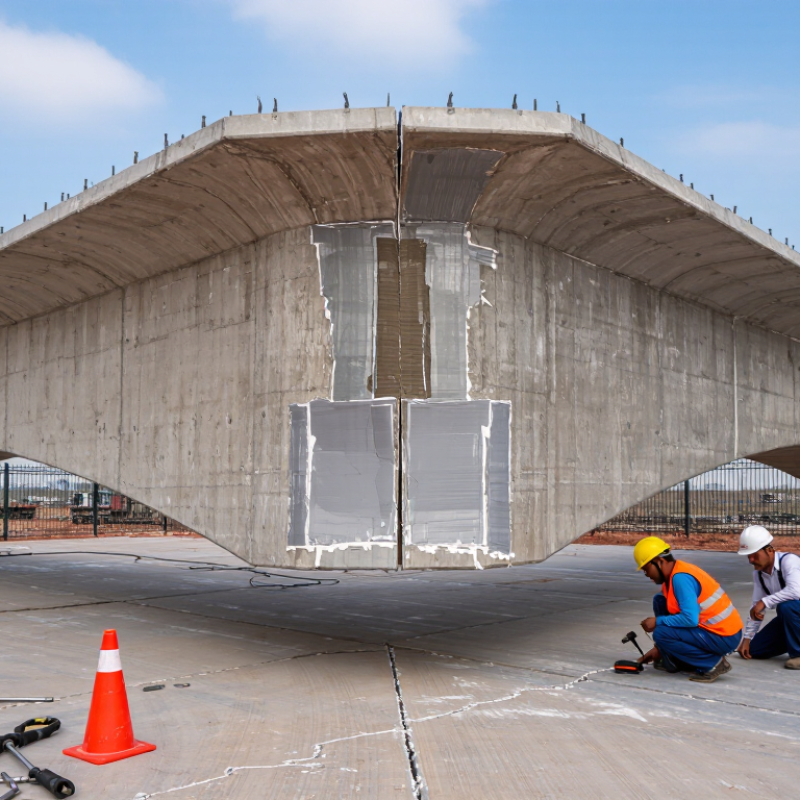
Concrete rarely becomes expensive because of one dramatic failure.
Costs grow through small defects, repeated repairs, and interrupted operations. Durable concrete protection systems help control these expenses by limiting water, chloride, and chemical penetration.
During site inspections, I have seen unprotected loading floors develop surface damage around joints and drains.
A suitable system may combine a penetrating sealer, protective coating, repair mortar, or corrosion-control treatment. The choice depends on exposure, traffic, moisture, temperature, and the concrete’s existing condition.
Proper surface preparation often matters more than the product name.
Dust, oil, weak concrete, and trapped moisture can cause early delamination. Testing helps confirm adhesion and moisture levels before installation.
Measure twice.
Cost reduction also comes from extending maintenance intervals. A protected warehouse floor may require fewer closures, fewer labor hours, and less patching over several years. However, protection is not a permanent shield.
Poor drainage, aggressive chemicals, or heavy impact can still shorten its service life. That limitation deserves honest planning.
A qualified engineer should review drawings, inspection records, and exposure data before specifying thickness and application methods. Independent testing can verify performance, although testing adds time and expense. Skipping it may create a larger bill later.
Concrete protection should begin with a site assessment, not a product list. Inspect cracks, joints, drainage paths, and exposed reinforcement. Look for white salt deposits, rust staining, damp patches, and surface dust. These details often reveal moisture movement beneath the surface. Record traffic, temperature changes, chemical contact, and cleaning methods. A warehouse floor may face abrasion, while a bridge deck may suffer from chloride penetration and freeze-thaw cycles.
Testing improves the decision. Measure moisture before applying a coating. Use simple soundness checks, crack mapping, and, when needed, chloride or carbonation testing. A penetrating sealer may suit sound concrete with water absorption problems. A flexible coating may better protect concrete with minor movement. Severe damage requires repair before protection. Otherwise, the system may trap moisture or fail at weak areas. Pay close attention to surface preparation. It often determines service life more than the advertised material.
A risk score helps, but it is not perfect. Site conditions change. I have seen well-specified systems fail because a leaking drain was ignored. Cost comparisons should include preparation, access equipment, downtime, inspections, and future repairs. Choose systems with documented test data, clear installation limits, and trained applicators. Ask how the system performs under the actual exposure, not only in laboratory conditions. Small trial areas can reveal adhesion problems early. That modest step may prevent a very expensive surprise.
Concrete protection starts with matching the system to the exposure. Penetrating silane sealers suit parking decks, bridge surfaces, and exterior slabs exposed to deicing salts. They reduce water and chloride entry without creating a thick film. Surface preparation remains critical. Dust and oil can defeat a good sealer.
Epoxy coatings provide a dense barrier for warehouses, workshops, and processing areas. They resist abrasion, chemicals, and frequent cleaning. Polyurethane topcoats add flexibility and better ultraviolet resistance. Together, they can protect floors from forklift traffic and dropped tools. Cementitious overlays work well on worn stairs, ramps, and uneven slabs. They restore texture while adding a new protective surface.
Waterproof membranes are useful for roofs, balconies, tunnels, and below-grade walls. They bridge small cracks when the concrete moves slightly. Rigid systems may fail over active cracks. That detail is easy to overlook. Before installation, inspectors should check moisture, crack width, surface strength, and drainage. A simple moisture test can prevent blistering and early delamination.
Densifiers suit polished floors and high-traffic interiors. They harden the surface and reduce dust, but they do not seal large cracks. In my field experience, cheaper materials often cost more after repeated repairs. Still, no protection system lasts without maintenance. I once saw a well-installed coating fail because standing water was ignored. Specification, workmanship, and scheduled inspections must work together.
Top Durable Concrete Protection Systems to Cut Costs
Installation Steps for Long-Lasting Concrete Protection
Concrete protection begins with diagnosis, not coating selection. The 2024 National Bridge Inventory, summarized by the American Road & Transportation Builders Association, identified more than 42,000 poor-condition U.S. bridges. Many failures start with water, chlorides, cracking, or weak repairs. A durable system must address the cause.
Remove dust, laitance, oil, and loose concrete first. Mechanical cleaning usually produces a stronger bond than washing alone. Repair cracks and spalled areas with materials compatible with the existing slab. Then test moisture, surface strength, and alkalinity. The International Concrete Repair Institute recommends documented surface-preparation profiles before protective applications.
Apply the system only within the manufacturer’s stated temperature and humidity range. Use a wet-film gauge during application. Thin areas often fail early. Detail joints, corners, drains, and penetrations carefully, because these locations receive concentrated water exposure. Allow each layer to cure fully before adding another. The Federal Highway Administration notes that moisture control and sound detailing strongly influence concrete repair performance.
Field crews should record batch numbers, coverage rates, weather, and curing times. Small records prevent expensive guesses later. I have seen projects pass visual inspection, yet fail because the surface was still damp. That mistake is easy to repeat. Recheck adhesion after curing, and schedule inspections after the first freeze-thaw season. No protection system is permanent when maintenance is ignored.
| Protection System | Primary Protection Function | Recommended Surface Preparation | Typical Application Build-Up | Indicative Installed Cost | Expected Service Life | Installation Steps | Best-Fit Applications | Typical Maintenance Interval |
|---|---|---|---|---|---|---|---|---|
| Silane Penetrating Sealer | Reduces water and chloride-ion absorption while allowing water vapor to escape. | Clean, dry, sound concrete; remove oil, curing compounds, laitance, dust, and loose material. Repair cracks and spalls first. | One flood coat or two light coats applied wet-on-wet, usually at approximately 250–400 sq ft per gallon depending on concrete porosity. | $0.35–$1.25/sq ft | 5–10 years, depending on exposure and traffic. |
1. Inspect and repair the substrate. 2. Clean and allow the concrete to dry. 3. Mask adjacent surfaces. 4. Apply evenly without puddling. 5. Keep the surface dry during initial curing. |
Parking structures, bridge decks, exterior slabs, balconies, and concrete exposed to deicing salts. | Inspect annually; reapply when water no longer beads or absorption becomes visible. |
| Lithium-Silicate Densifier | Hardens and dustproofs the surface by reacting with available calcium compounds in concrete pores. | Mechanically or chemically remove dust, grease, weak surface material, and curing residues. The slab must be structurally sound. | One or two penetrating applications, followed by spreading or scrubbing until the material is absorbed and the surface is free of residue. | $0.20–$0.70/sq ft | 10–20 years when protected from severe chemical or abrasion exposure. |
1. Remove surface contaminants. 2. Apply to clean, porous concrete. 3. Keep the surface uniformly wet for the specified reaction time. 4. Scrub or squeegee excess material. 5. Remove residue and allow the slab to cure. |
Warehouses, factories, garages, distribution centers, and interior polished-concrete floors. | Routine cleaning; re-treatment is generally condition-based rather than scheduled. |
| Acrylic Protective Coating | Provides a low-to-moderate barrier against water, carbon dioxide, weathering, and light abrasion. | Concrete should be clean, dry, sound, and free of laitance. Profile the surface where required and repair defects before coating. | Primer where specified plus two thin finish coats, commonly totaling approximately 8–16 mils dry-film thickness. | $1.00–$3.00/sq ft | 3–7 years, depending on UV exposure, traffic, and coating thickness. |
1. Test moisture and adhesion conditions. 2. Prepare and profile the concrete. 3. Apply compatible primer if required. 4. Apply the first coat at the specified coverage rate. 5. Apply the second coat after the recoat window. 6. Protect from rain and traffic until cured. |
Exterior walls, architectural concrete, pedestrian areas, and decorative slabs requiring color retention. | Inspect every 1–2 years; refresh high-exposure areas when fading, chalking, or peeling begins. |
| Epoxy Floor Coating | Creates a hard, chemical-resistant, abrasion-resistant surface with strong adhesion to prepared concrete. | Shot-blast, grind, or otherwise profile the slab; remove laitance, oil, dust, and weak concrete. Confirm moisture levels before application. | Primer or penetrating base coat plus one or more body coats; common systems range from approximately 20–125 mils total thickness. | $3.00–$8.00/sq ft | 5–10 years in demanding service; longer in light-duty interiors. |
1. Moisture-test the slab. 2. Mechanically prepare the surface. 3. Vacuum and remove all dust. 4. Repair cracks and joints as specified. 5. Apply primer or base coat. 6. Apply body and broadcast coats if required. 7. Apply a compatible topcoat and observe cure times. |
Manufacturing floors, workshops, laboratories, garages, warehouses, and areas exposed to oils or chemicals. | Inspect every 6–12 months; repair localized wear, impact damage, and joint failures promptly. |
| Polyurethane Topcoat System | Improves UV resistance, abrasion resistance, flexibility, and chemical resistance over a prepared base coat. | Use a clean, dry, mechanically prepared surface or apply over a compatible cured base system. Remove contaminants and repair defects. | Usually applied as a thin topcoat over epoxy or another compatible base; common dry-film thickness is approximately 3–12 mils. | $4.00–$10.00/sq ft | 7–12 years, depending on traffic, sunlight, and chemical exposure. |
1. Verify base-coat adhesion and cure. 2. Abrade or clean the surface as required. 3. Mix components accurately. 4. Apply within the working time. 5. Maintain the specified temperature and humidity. 6. Protect the coating until fully cured. |
Commercial floors, parking decks, ramps, workshops, and areas requiring color and gloss retention. | Inspect twice per year in heavy-use areas; renew the topcoat before the base layer is exposed. |
| Cementitious Waterproofing Coating | Blocks liquid-water penetration and helps protect concrete in damp or hydrostatic-pressure conditions. | Open pores by cleaning and suitable mechanical preparation. Remove laitance, efflorescence, oil, and loose concrete; dampen the substrate when required. | Two or more brush, roller, or spray coats, commonly totaling approximately 2–4 mm depending on water pressure and specification. | $2.00–$6.00/sq ft | 10–20 years when properly bonded and protected from movement or abrasion. |
1. Stop active leaks and repair defects. 2. Clean and profile the substrate. 3. Pre-wet the concrete without leaving standing water. 4. Apply the first coat in one direction. 5. Apply the second coat perpendicular to the first. 6. Cure under controlled moisture conditions. 7. Protect from abrasion and premature drying. |
Basements, foundation walls, water tanks, retaining walls, tunnels, and below-grade concrete structures. | Inspect annually and after significant water events; repair cracks or delamination as soon as detected. |
| Crack- and Joint-Sealing System | Limits water entry and reduces deterioration caused by movement through cracks, construction joints, and control joints. | Identify crack movement and moisture conditions; rout or clean the joint, remove debris, and ensure sound edges before sealing. | Backer rod where needed, flexible sealant or injection material, bond-breaker treatment, and protective surface finishing as specified. | $1.50–$7.00/linear ft | 5–15 years, strongly influenced by joint movement, UV exposure, and substrate preparation. |
1. Map and classify cracks or joints. 2. Remove unsound concrete and contaminants. 3. Install backer material where required. 4. Apply primer if specified. 5. Install sealant or injection material continuously. 6. Tool the surface and protect it during cure. |
Expansion joints, façade joints, parking decks, basements, precast connections, and water-retaining structures. | Inspect at least annually and after freeze-thaw cycles, major movement, or water intrusion. |
Durable concrete protection begins with maintenance, not emergency repair. Inspect decks, walls, and slabs after freeze-thaw cycles, heavy rain, or chemical exposure. Look for rust staining, hollow sounds, cracks, and standing water. Small defects matter. ACI 365.1R-17 recommends linking service-life planning with exposure conditions, inspections, and scheduled repairs.
A practical maintenance plan should combine crack sealing, drainage control, surface protection, and localized concrete replacement. Remove dust and salts before applying any protective treatment. Otherwise, adhesion may fail beneath an attractive finish.
The FHWA’s corrosion-cost study estimated annual U.S. corrosion costs near $276 billion, showing why delayed maintenance becomes expensive. NACE’s IMPACT study also placed global corrosion costs at approximately $2.5 trillion annually, or 3.4% of global economic output.
Maintenance records should include photographs, crack widths, moisture observations, repair dates, and product performance. This evidence supports better budgeting and defensible engineering decisions. Review high-risk areas every six to twelve months, then adjust the interval after observing actual deterioration. Records are cheap. Rework is not.
One uncomfortable lesson remains: protection systems do not replace drainage, detailing, or workmanship. I have seen sound coatings fail because water remained trapped behind joints. Budgeting only for installation is another common mistake. Reserve funds for inspection, cleaning, touch-ups, and future testing. Life-cycle cost models should compare those expenses against expected service life, traffic disruption, and replacement costs. Perfect predictions are impossible, but disciplined observation usually improves them.
They limit water, chloride, and chemical penetration. This slows cracking, corrosion, surface wear, and repeated repairs. Fewer repairs can mean fewer closures and labor hours. Small savings accumulate.
The choice depends on traffic, moisture, chemicals, temperature, and existing damage. Penetrating sealers suit exterior slabs exposed to salts. Dense coatings suit warehouses and workshops. Flexible membranes suit roofs, balconies, and below-grade walls. Matching matters more than appearance.
Dust, oil, weak concrete, and trapped moisture can cause early delamination. Clean and sound surfaces improve adhesion. A moisture test may prevent blistering. Preparation is not glamorous, but it often decides success.
No. Rigid systems may fail over moving cracks. Large or active cracks need separate assessment and repair. Coatings are protective layers, not magic. This limitation deserves attention.
Inspect surfaces after heavy rain, freezing weather, or chemical exposure. Check cracks, rust stains, hollow sounds, and standing water. Seal small cracks early. Clean salts and dust before treatments. Do not wait for dramatic failure.
High-risk areas should be reviewed every six to twelve months. Adjust the interval after observing actual deterioration. Record photographs, crack widths, moisture, repairs, and coating performance. Records are cheap.
Yes. Poor drainage, trapped water, heavy impact, and aggressive chemicals can shorten service life. I have seen standing water damage a well-installed coating. The installation was sound. The drainage was not.
Include preparation, installation, inspections, cleaning, touch-ups, testing, and future repairs. Compare these expenses with closures and replacement costs. A low initial price may create repeated repair bills. Perfect forecasts are impossible. Careful observation still helps.
Durable concrete protection systems help reduce lifecycle expenses by preventing water intrusion, chemical attack, abrasion, cracking, and reinforcement corrosion before these problems become costly structural failures. A practical approach begins with assessing exposure conditions, traffic loads, moisture levels, freeze-thaw cycles, and existing damage. This information guides the selection of an appropriate solution, such as sealers, protective coatings, crack-injection materials, overlays, or joint protection systems, based on the concrete’s location and expected service demands.
Effective installation is essential for long-term performance. Surfaces should be cleaned, repaired, and properly prepared before the selected system is applied under suitable environmental conditions. Regular inspections, timely touch-ups, drainage control, and prompt crack or joint repairs can preserve the protective layer and extend service life. By planning protection around actual risks and maintaining it consistently, property owners can Reduce maintenance costs with durable concrete protection systems while improving reliability, safety, and long-term asset value.

Shengchuang Building