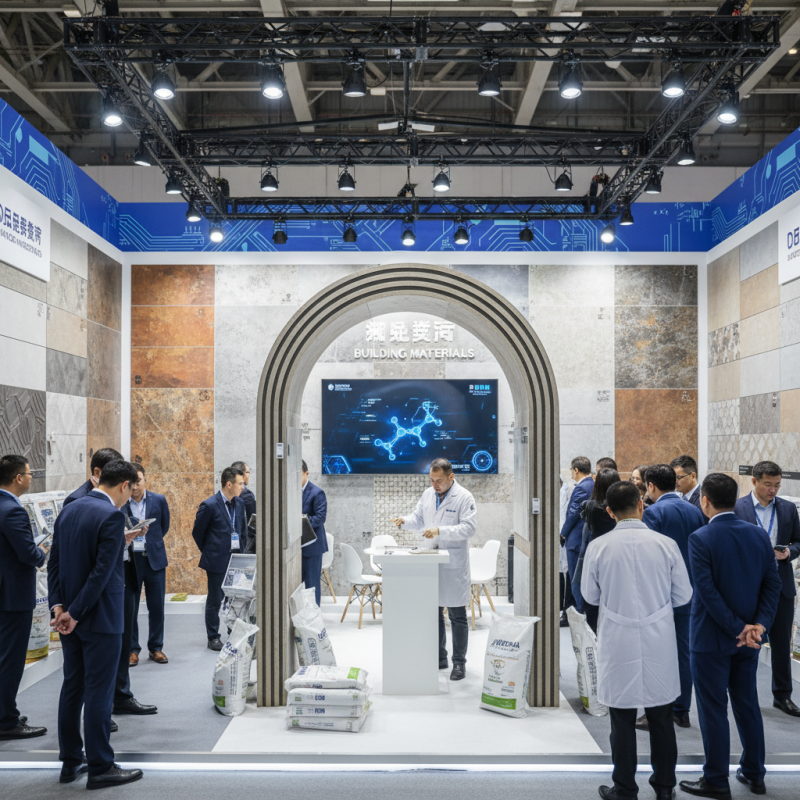
The 2026 Canton Fair promises to be a transformative event for the building materials industry. Among the featured innovations is the use of HPMC for tile adhesive. This innovative cellulose polymer enhances the performance of tile adhesives, offering better adhesion and workability. Numerous exhibitors will showcase products containing HPMC, attracting both industry professionals and buyers.
At the fair, stakeholders can explore the benefits of HPMC for tile adhesive in detail. Builders and contractors will appreciate the enhanced bonding strength, which leads to longer-lasting installations. Visitors can engage with suppliers and learn how HPMC improves the application process. However, there remains a need for more education about its benefits and optimal usage.
While HPMC for tile adhesive offers numerous advantages, challenges persist. Some buyers may be skeptical about adopting new materials. They need assurance on its compatibility and reliability. It’s important for manufacturers to address these concerns directly at the fair. The future of tile adhesives may hinge on how effectively these issues are discussed.
HPMC, or Hydroxypropyl Methylcellulose, is increasingly favored in tile adhesive formulations due to its unique properties. This versatile polymer enhances adhesive performance by improving workability and extending open time. Studies indicate that HPMC can increase adhesion strength by up to 30%. This statistic is significant, especially during construction projects, where quality matters.
The viscosity of HPMC plays a crucial role. It ensures excellent water retention, which is essential for preventing tile shrinkage. An industry report from the Global Tile Adhesives Market highlights that improved water retention can reduce cracking by 40%. However, not all HPMC grades are created equal. Factors like purity and viscosity grade must be carefully considered when selecting HPMC for tile adhesive applications.
Moreover, incorporating HPMC into tile adhesive systems can result in a smoother application. A smoother spread leads to a more uniform layer, crucial for performance. Yet, some users report challenges with overuse. Excess HPMC can lead to a tacky finish, making application difficult. Therefore, finding the right balance is essential. Overall, HPMC's benefits in tile adhesives are clear, but understanding its limitations is equally important.
: HPMC enhances water retention, flexibility, and adhesion in tile adhesives, making them more effective during installation.
HPMC improves workability and flexibility more than many alternatives, which may dry too quickly or lack sufficient adaptability.
HPMC increases shear strength by over 20%, leading to better tile adherence in challenging conditions.
Yes, too much HPMC can cause excessive viscosity. Finding the right dosage is crucial for optimal application.
The fair highlighted HPMC's growing importance in tile adhesives and the challenges of maintaining consistent material quality.
Different factors like humidity and tile type can affect performance. Experimentation helps tailor formulations for specific conditions.
Variations in HPMC quality can impact adhesive longevity. Ensuring a reliable source is essential for product consistency.
Continuous monitoring and optimizing supply chains can mitigate risks related to HPMC quality.
Not always. Some projects may require specific optimization to achieve the best results with HPMC formulations.
Feedback loops can help identify and rectify performance issues, ensuring higher quality in adhesive products.
HPMC for tile adhesive has gained significant attention for its numerous benefits in improving adhesive performance. As highlighted in discussions from the 2026 Canton Fair, HPMC enhances the workability, water retention, and grip of tile adhesives, making it a preferred choice among manufacturers. The comparison with other additives reveals that HPMC not only elevates the overall quality of tile adhesives but also aligns with the evolving market trends that favor more efficient and user-friendly products.
Furthermore, the insights gathered at the Canton Fair underscore the growing acceptance and implementation of HPMC in the tile industry, reflecting an upward trajectory in its usage. As manufacturers continue to seek innovative materials that meet the demands of modern construction, HPMC for tile adhesive stands out as a cornerstone for achieving high-performance solutions in tiling applications.

 Shengchuang Building