In the construction industry, minimizing shrinkage and cracking in grout and mortar systems is crucial for durability. Dr. Emily Carter, a renowned expert in materials engineering, emphasizes the importance of this issue. She once stated, "Effective techniques can significantly reduce damage caused by shrinkage."
Grout and mortar systems are essential components of many structures, contributing to their stability and strength. However, these materials are prone to shrinkage and cracking, which can lead to serious long-term issues. Factors like water content, temperature, and drying conditions can exacerbate these problems. Addressing them early can save time and costs later.
Innovative approaches are available to help contractors achieve optimal results. For instance, using high-quality additives can improve the performance of grout. Additionally, proper installation techniques can play a significant role. Understanding how to minimize shrinkage and cracking in grout and mortar systems should be a priority for all professionals in the field.
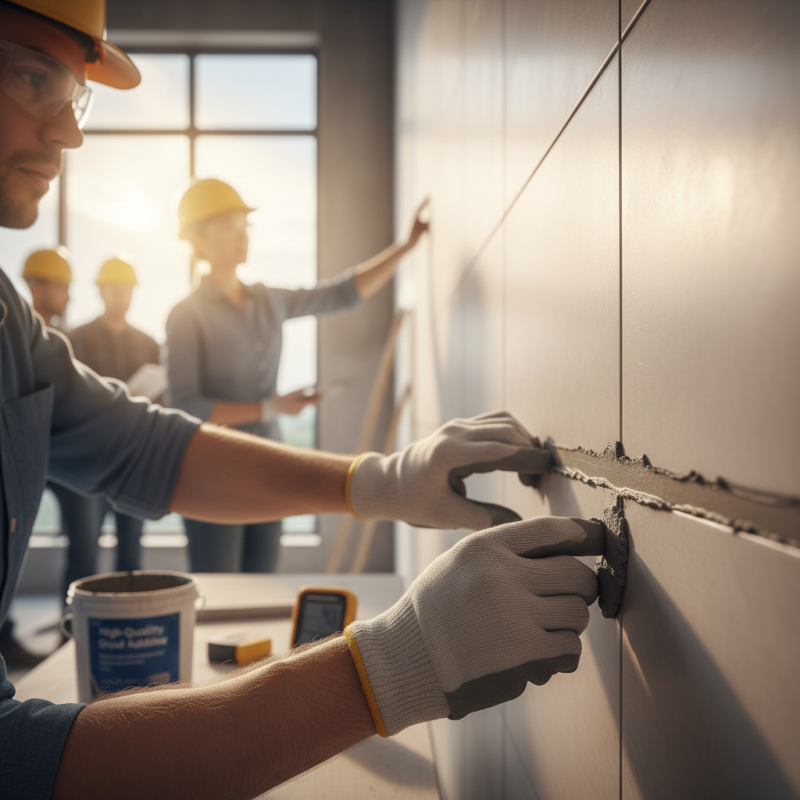
Understanding shrinkage and cracking in grout is crucial for maintaining the integrity of tiled surfaces. When grout dries, it can contract, leading to fissures and uneven surfaces. Studies show that over 30% of grout failures are due to improper application and lack of adequate curing time. Understanding this issue can help prevent costly repairs down the line.
Tips: Always ensure the grout is mixed according to manufacturer specifications. An inconsistent mixture can lead to weak points, making it more prone to cracking.
Environmental factors also play a role in grout performance. High humidity can delay drying, while lower humidity can accelerate it, causing shrinkage. A report by the Tile Council of North America notes that temperature fluctuations can exacerbate these issues, potentially leading to grout failure in poorly managed environments.
Tips: Use a grout additive that enhances flexibility and bonds well to substrates. This can significantly reduce shrinkage and cracking.
Regular maintenance is key. Inspect your grout regularly for signs of wear. Cracks often indicate there may be underlying moisture problems. While it's easy to overlook small cracks, ignoring them may lead to larger issues. Awareness and proactive action can save time and money later on.
: Proper grout mixing minimizes shrinkage and cracking. It ensures a strong, durable finish.
Avoid using too much water during mixing. Follow the manufacturer's instructions closely for the right blend.
A mixing paddle helps achieve a uniform consistency. Mixing at a slow speed is also essential.
High humidity or extreme temperatures can affect drying times. It’s challenging to maintain ideal conditions.
Consider reapplying the sealer every year. Regular maintenance keeps the grout protected and fresh.
Use a gentle, pH-balanced cleaner. A toothbrush can help with tough spots effectively.
Ignoring cracks can worsen over time. Address small issues before they escalate into bigger problems.
Mix in small batches to prevent waste. Use the grout quickly to maintain its effectiveness.
Working in manageable sections helps ensure proper curing. It supports a better finish and grout durability.
It’s easy to overlook the mixing speed. Incorporating too much air can weaken the grout significantly.
To effectively minimize shrinkage and cracking in grout and mortar systems, it is essential to first understand the underlying causes of these issues. Factors such as water content, temperature fluctuations, and improper mixing can significantly contribute to the problems. Effective techniques for proper grout mixing include ensuring consistency and avoiding excess water, which can lead to weakened bonds.
Additionally, applying grout under optimal conditions—such as appropriate humidity and temperature—can enhance its performance. Strategies for sealing and maintaining grout integrity are crucial for long-term durability; regular inspection and timely maintenance can prevent deterioration. By focusing on these key areas, practitioners can significantly minimize shrinkage and cracking in grout and mortar systems, ensuring lasting results in construction projects.

 Shengchuang Building