What is the Best Industrial Floor Hardener for 2026?

Time:2026-03-16 Author:Sienna
0%

In the quest for durable industrial surfaces, the choice of Industrial Floor Hardener becomes crucial. Experts emphasize its importance. John Smith, a prominent specialist in flooring solutions, states, "The right hardener can elevate your floor’s lifespan significantly." This insight sets the stage for understanding the best options available in 2026.

Industrial Floor Hardener technology has evolved. New formulations show impressive results, yet not all products meet high standards. Some may even fall short, leading to costly repairs. It is essential to evaluate products carefully and avoid hasty decisions. In a competitive market, what works for one industry may not suit another.

Selecting the best Industrial Floor Hardener can be daunting. Some factors require attention, such as application methods and environmental impact. These elements influence performance and sustainability. Innovators continue to introduce better alternatives. Still, it's vital to remain cautious and informed while making choices.
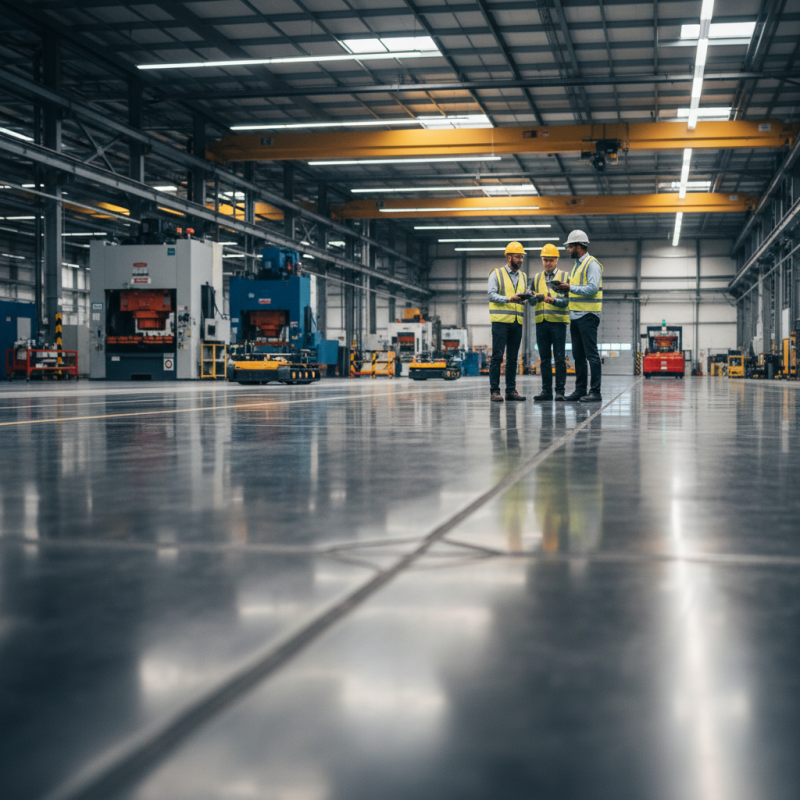
What is the Best Industrial Floor Hardener for 2026?

What to Consider When Choosing an Industrial Floor Hardener for 2026

When choosing an industrial floor hardener for 2026, several factors come into play. The composition of the hardener is critical. Traditional options include calcium silicate and lithium-based hardeners. Research shows that lithium-based hardeners outperform others in durability and stain resistance. They can increase surface strength by up to 40%, making them a popular choice in demanding environments.

Application methods are another key consideration. Some hardeners require mixing with water, while others are applied directly. A 2023 industry report indicates that improperly mixed products can lead to inconsistencies in floor resilience. This inconsistency can result in costly repairs later on. Users often overlook surface preparation, yet it significantly impacts the performance of any hardener.

Consider the environment where the hardener will be used. High-traffic areas need a strong formulation. However, many formulations are not designed to handle chemical spills. An average of 30% of industrial floor failures is due to inadequate resistance to chemicals. Assessing these factors can help prevent future issues and ensure better outcomes.

Top Industrial Floor Hardener Brands and Their Performance Metrics

Choosing an industrial floor hardener can be daunting. Various brands offer different qualities and performance metrics. It’s essential to understand what makes one product shine while others fall short. Durability is crucial. A strong hardener will resist abrasions and impacts, prolonging floor life. Some products excel in high-traffic areas but may not perform well in wet conditions.

When comparing products, look at the compressive strength. This metric indicates how much load your floor can handle. Some hardeners display impressive strengths, but they might come with drawbacks. Certain options can create surfaces too slippery for safety, requiring more frequent maintenance. A hardener that works well in one environment may disappoint in another.

Testing various brands in real conditions helps to gauge performance. This requires a bit of trial and error. Inconsistent results can lead to frustration. Some users note that while initial application is easy, the long-term performance can vary. Gathering feedback from different industries provides insight. This approach is crucial for making informed decisions in 2026.

Key Characteristics of High-Quality Floor Hardeners in Industrial Settings

In industrial settings, the choice of floor hardeners significantly impacts durability and maintenance costs. High-quality floor hardeners enhance surface strength and resistance to abrasion. According to a 2023 industry report, floors treated with advanced hardeners can increase their lifespan by up to 50%. This statistic underlines the importance of selecting the right product.

Key characteristics to look for include moisture resistance, chemical stability, and compatibility with the substrate. Quality hardeners often feature a blend of silica and polymer additives. These components maximize performance and reduce dusting. However, not all products perform equally. Occasionally, industries face challenges in achieving optimal bonding with existing surfaces. This can lead to uneven wear over time, highlighting the need for thorough preparation.

Another critical factor is the curing time. Faster curing products might seem ideal, but they can lead to issues like cracking if not monitored. A delicate balance is necessary here. An effective industrial floor hardener should provide strong initial grip while ensuring long-term resilience. Unfortunately, some options might not meet these expectations due to varying environmental conditions. Understanding these elements is essential for making an informed decision.

Environmental Impact and Sustainability of Floor Hardening Solutions

Choosing the right industrial floor hardener involves considering its environmental impact and sustainability. Many traditional hardeners are made with harmful chemicals. These can release volatile organic compounds (VOCs) into the air. The release of such substances contributes to air pollution and can harm health. Exploring eco-friendly options is crucial for 2026.


Tips: Look for products labeled as low-VOC. These options often contain safer ingredients.


The sustainability of a floor hardening solution can be measured by its lifespan. Longer-lasting products reduce waste over time. Frequent replacements can lead to increased environmental damage. In addition, consider how easy the hardener is to apply and remove. Complex procedures can waste resources.


Tips: Evaluate the manufacturer's commitment to sustainability. Companies providing clear practices promote a better future.


Lastly, don’t underestimate recycling possibilities. Some hardening agents can be recycled or repurposed. This approach minimizes landfill waste. A greener choice today shapes a healthier environment tomorrow. Evaluate every option carefully.

Future Trends in Industrial Floor Hardening Technologies through 2026

As industries evolve, the demand for robust flooring solutions is increasing. Companies are seeking ways to enhance durability while maintaining affordability. Innovative materials are emerging. Coupled with modern technology, these developments are promising.

One notable trend is the use of eco-friendly hardening agents. These materials minimize environmental impact. They yield effective results without harming ecosystems. However, some may not fully meet performance expectations. Each application demands careful consideration. Companies need to test these products thoroughly.

Another area of exploration is the integration of nanotechnology. This offers enhanced strength and resistance to wear. Yet, it raises questions about long-term effects and safety. Balancing performance with potential risks is crucial. The future of industrial floor hardening will require continuous innovation and research. Each choice must be deliberate, as the wrong one could lead to costly mistakes.

FAQS

: What are the key characteristics of high-quality floor hardeners?

: Look for moisture resistance, chemical stability, and compatibility with the substrate. These features enhance overall performance.

Why is curing time important for floor hardeners?

Curing time affects bond strength. Fast-curing products may crack if not monitored correctly. Balance is crucial for success.

What role do silica and polymer additives play?

These additives increase surface strength and reduce dusting. They help the floor hardener perform better in industrial conditions.

How do harmful chemicals in traditional hardeners impact health?

They can release VOCs, which contribute to air pollution and affect respiratory health. Choosing low-VOC options is essential.

Why should sustainable floor hardening solutions matter?

Longer-lasting products reduce waste. Frequent replacements harm the environment, so consider durability in your choices.

How can I determine a manufacturer’s commitment to sustainability?

Evaluate their practices and transparency. Companies that share efforts towards eco-friendly solutions indicate a better future.

Can hardening agents be recycled or repurposed?

Yes, some can be recycled, reducing landfill waste. Opting for these choices supports a healthier environment.

What happens if there is poor bonding with existing surfaces?

Uneven wear can occur over time, leading to premature deterioration. Proper surface preparation is critical.

Are there risks with fast-curing floor hardeners?

Yes, they can crack and compromise the floor's integrity if not properly managed. Caution is always necessary.

How can I identify eco-friendly hardeners?

Look for products labeled as low-VOC. These options usually use safer and more sustainable ingredients.

Conclusion

When selecting an Industrial Floor Hardener for 2026, several factors come into play. Considerations include the specific operational demands of the facility, performance metrics of various products, and the desired durability and surface finish. It's essential to assess the key characteristics of high-quality floor hardeners, which typically include resistance to wear, ease of application, and maintenance requirements, to ensure longevity in industrial settings.

Additionally, the environmental impact and sustainability of floor hardening solutions are increasingly important. As industries strive for greener practices, future trends in Industrial Floor Hardening Technologies are expected to focus on eco-friendly materials and innovative applications that enhance performance while minimizing environmental footprints. Making informed choices based on these criteria will lead to better and more sustainable flooring solutions for industrial applications.

Sienna

Sienna

Sienna is a skilled marketing professional with a deep expertise in our company’s core products and services. With a passion for innovation and detail, she plays a pivotal role in crafting insightful blog posts that not only highlight the unique features of our offerings but also provide valuable......